 Free shipping on orders over £29,85
  Shipping Tracking!


 Google
 Facebook
← Back to Where to Buy Polyurethane Resin?
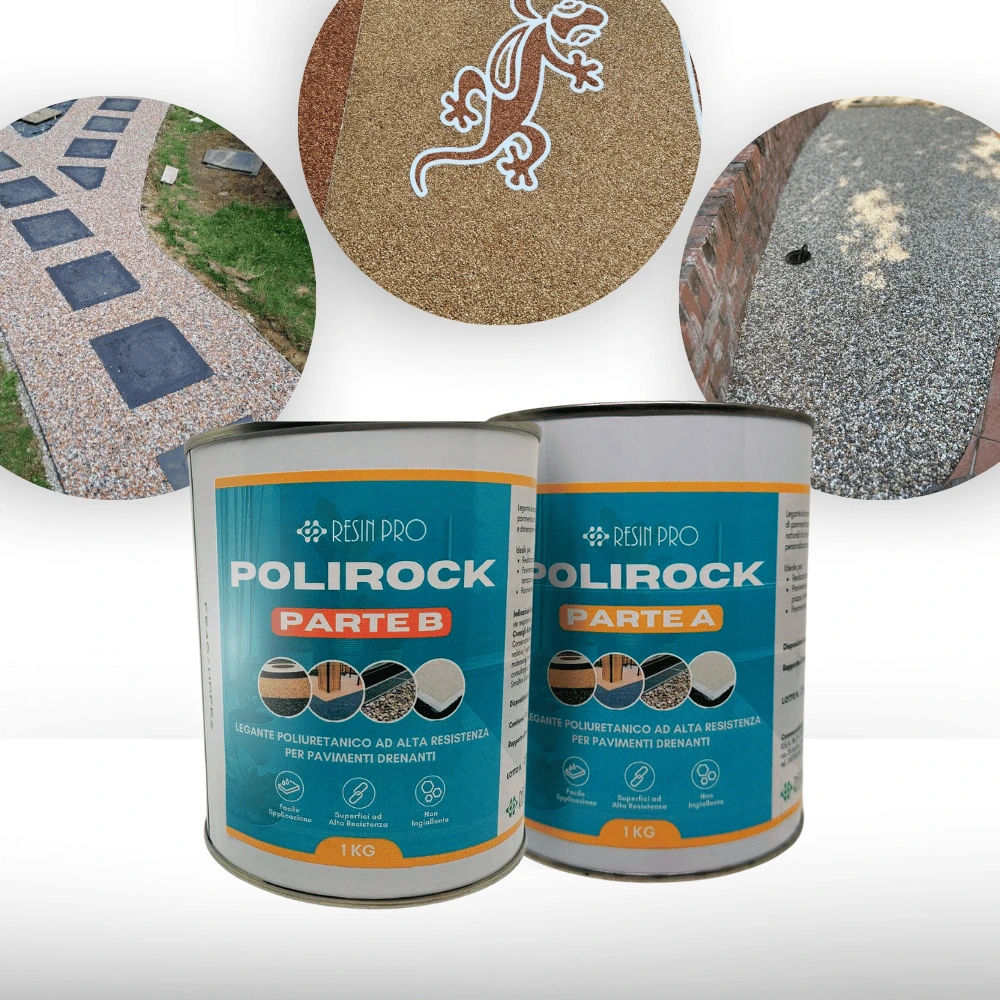

Binding loose gravel with resin creates robust, decorative surfaces ideal for driveways, paths, and patios. This approach ensures that stones stay in place and the area remains tidy and safe for everyday use.
How Resin Binders Work with Gravel
Resin binders act as an adhesive when properly mixed with loose aggregates. Once combined, the resin envelopes each stone, locking them together as it cures. Polyurethane systems like Polirock are tailored for outdoor conditions, offering UV resistance and strong adhesion—especially recommended for white or light-coloured stones, as they remain clear without yellowing.


Essential Steps for Mixing and Application
- Gravel Preparation: Select clean, dry gravel sized approximately 4–8mm for optimal bonding.
- Mixing Ratio: Use a resin-to-stone ratio of around 3% by weight to achieve effective binding without excess residue.
- Application: Thoroughly blend the two-component resin with gravel until evenly coated, then spread the mixture over your chosen surface and compact for a uniform, permeable finish.
Always follow the specific instructions provided with your chosen binder for best results.
When This Technique Matters
Resin-bound gravel is especially valuable in areas where loose stones create hazards, where an anti-slip finish is needed, or where weather and UV resistance are important for long-lasting outdoor surfaces.

Related products
Related guides
Choosing the right resin binder, like Polirock, helps you achieve attractive, low-maintenance gravel surfaces that stay secure for years. For more options and buying advice, see our main guide on where to buy polyurethane resin.