 Free shipping on orders over £29,85
  Shipping Tracking!


 Google
 Facebook
← Back to How to make resin hash
Selecting the right resin is a key first step in creating successful resin hash pieces. The resin you choose affects everything from detail capture to finishing time and overall durability.
Resin Types: Deep Pour Epoxy vs Fast-Setting Polyurethane
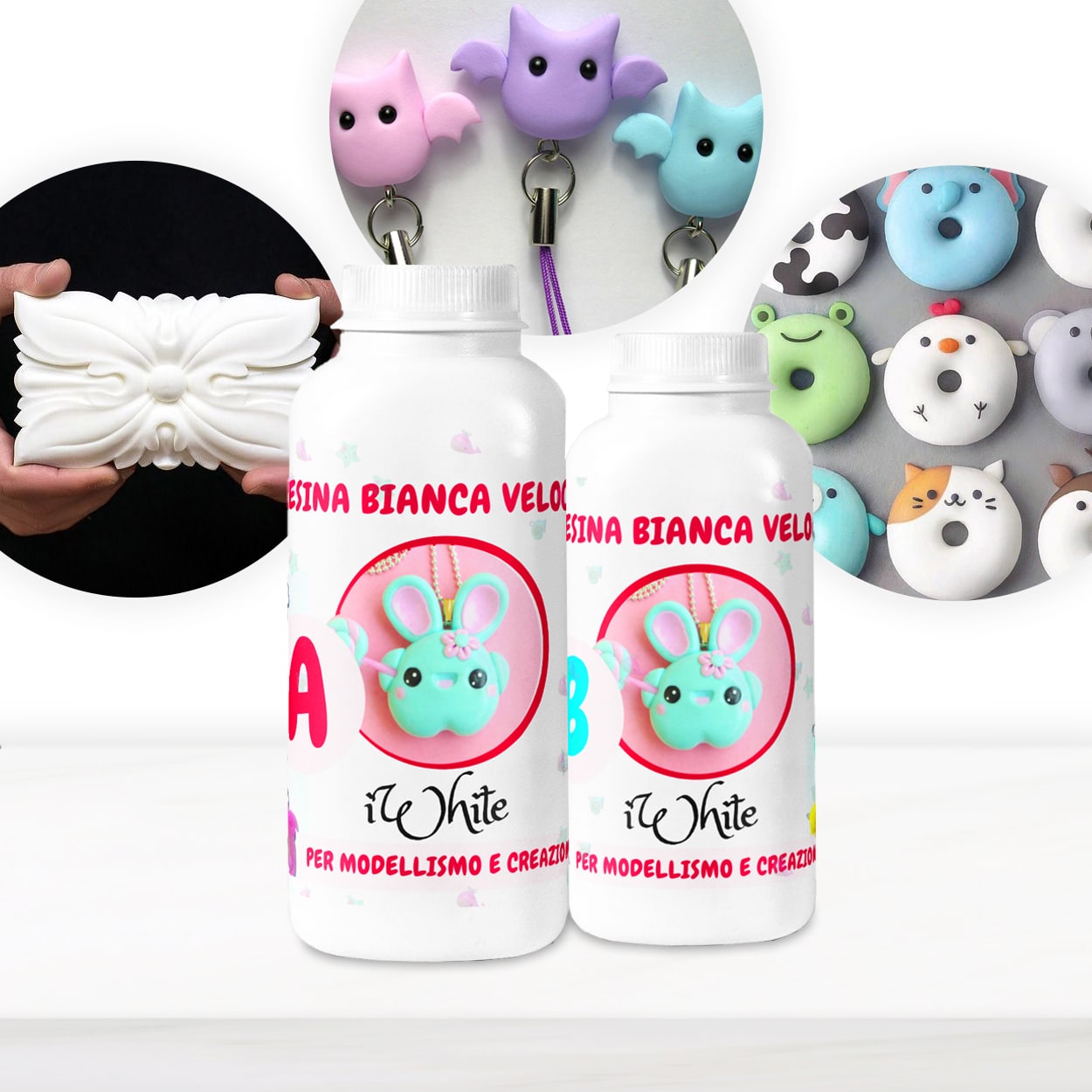
For thick castings or solid resin hash pieces, deep pour epoxy resins such as Epoxytable 10-Ten are often preferred. These epoxies are formulated for pouring in thicker layers—sometimes up to 10cm—without excessive overheating and with minimal bubbles. If you need fast results or plan to create smaller and detailed items, a fast-setting polyurethane like IWhite Polyurethane Casting Resin is particularly effective thanks to its rapid cure and high fluidity for filling detailed moulds.
Choosing Based on Your Project’s Needs
- Thick, clear pieces: Opt for a deep pour epoxy resin when you want a crystal-clear finish or are working with large, chunky forms. This resin offers a long working time for careful placement and is ideal for statement pieces.
- Detailed or rapid projects: Polyurethane resins cure in as little as 30 minutes—perfect if you want to demould same-day or need to replicate fine lines and textures with accuracy. They’re also easy to colour and paint after curing.
- Speedy transparent results: For transparent objects needing a quick turnaround, ICreation Fast Epoxy Resin allows demoulding in 6 hours and produces a glossy finish suitable for jewellery or decorative accents.
When the Resin Type Matters Most
Consider your choice carefully if you expect to layer colours, require a bubble-free appearance, or need quick production for multiple items. Fast-setting polyurethane is excellent for time-sensitive projects, while deep pour epoxy excels in clarity and thickness.
Related products
Related guides
Whether working for speed or aiming for perfectly clear, substantial castings, your resin type makes a big difference in resin hash results. For more tips on perfecting your technique, see our main guide to making resin hash.