 Free shipping on orders over £29,85
  Shipping Tracking!


 Google
 Facebook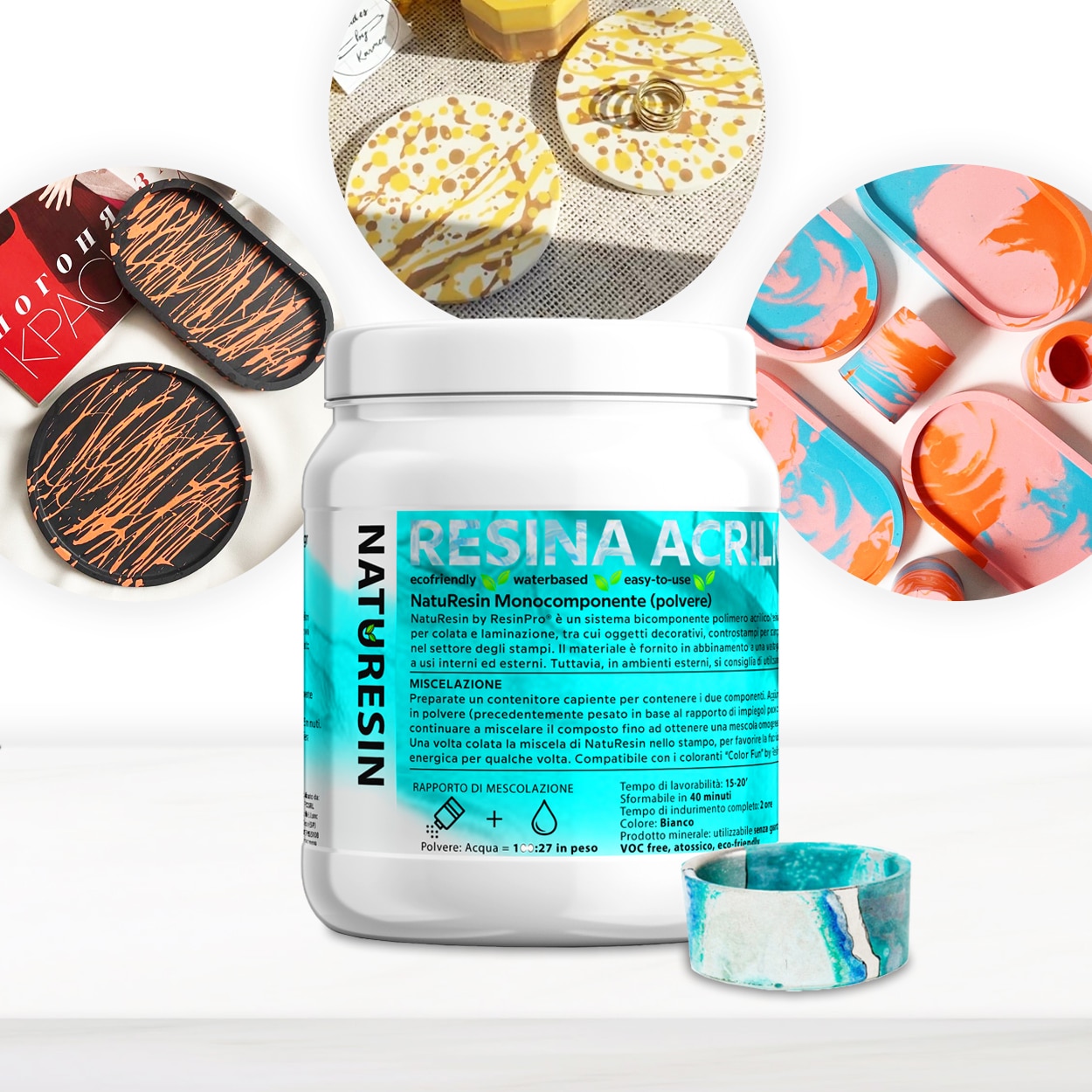
If you’re deciding between mineral resin, polyurethane, or UV acrylic resin, understanding their fundamental manufacturing differences helps you pick the right material for your creative or practical project.
How Each Resin Cures and Works
Mineral resins, such as NatuResin, are activated simply by adding water. This single-component formulation means there’s no mixing with harsh chemicals. In contrast, polyurethane resins work as a fast-curing, two-part system that requires precise combination of resin and hardener—ideal for rapid prototyping or fine-detail casting. UV acrylic resins take a different approach altogether: these are one-part materials that solidify instantly when exposed to UV light, offering speed and convenience for small items like jewellery.
Choosing a Resin for Your Project
- Mineral resin: Best for artists and crafters seeking an eco-friendly option for indoor and outdoor decorative pieces like coasters and trays. It’s VOC-free and can be painted or pigmented after curing.
- Polyurethane resin: Suited to professional model makers and those needing quick, durable results with high mould detail. The two-component system cures fast, often in about thirty minutes.
- UV acrylic resin: Perfect for jewellery makers and DIYers needing instant curing and a crystal-clear, glossy finish. No mixing is required—just apply and set under a compatible UV lamp.
When These Differences Matter
The curing mechanism and component count can influence your workflow. If you want a safer, solvent-free process, mineral resin is ideal. For rapid production or intricate shapes, polyurethane excels. If speed and clarity are paramount—especially for smaller projects—UV acrylic resin may be your best ally.
Related products
Related guides
Each type of resin delivers distinct advantages depending on your needs. To explore more about resin chemistry and applications, visit our main guide on how resin is made.