 Free shipping on orders over £29,85
  Shipping Tracking!


 Google
 Facebook
← Back to How much does epoxy resin cost to develop?
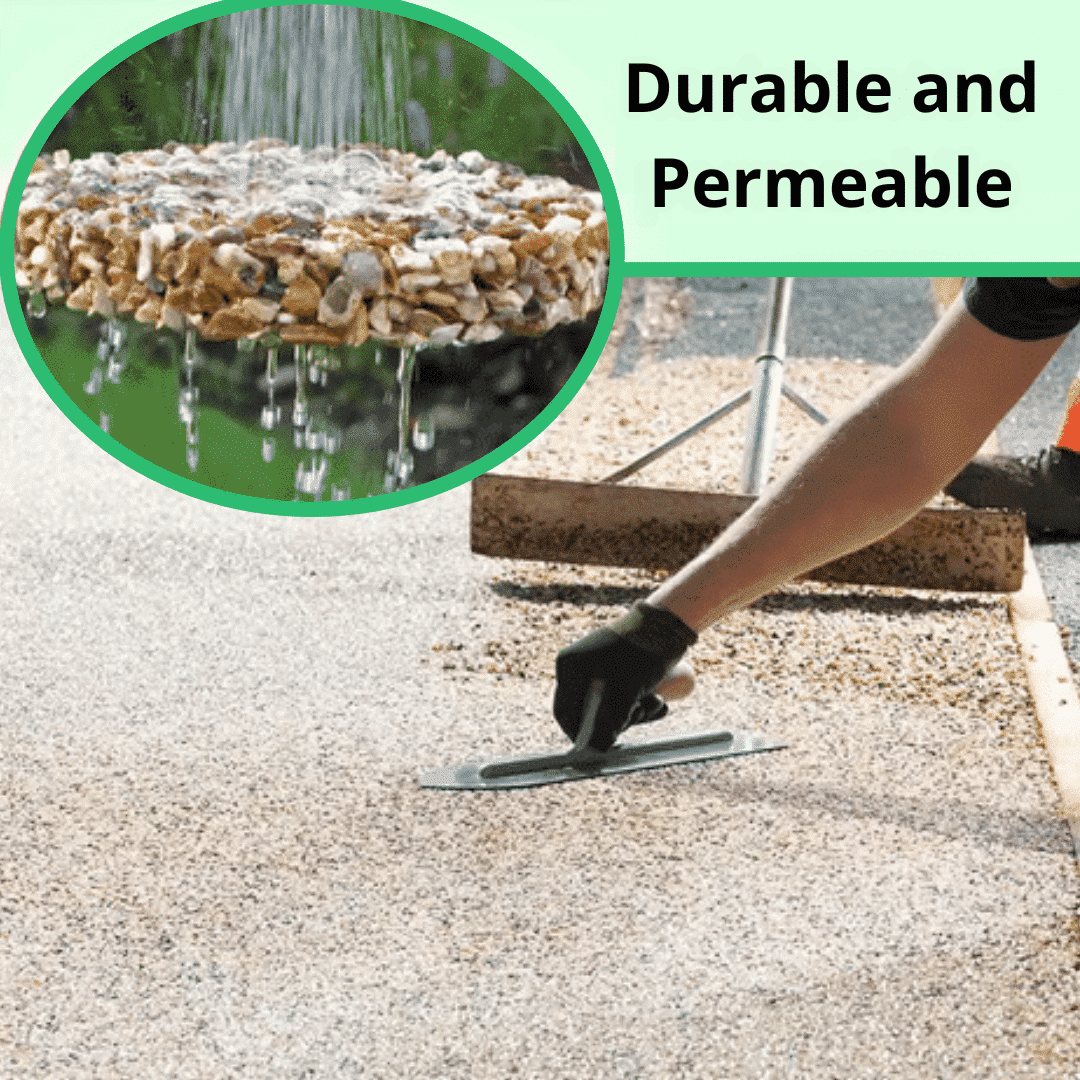
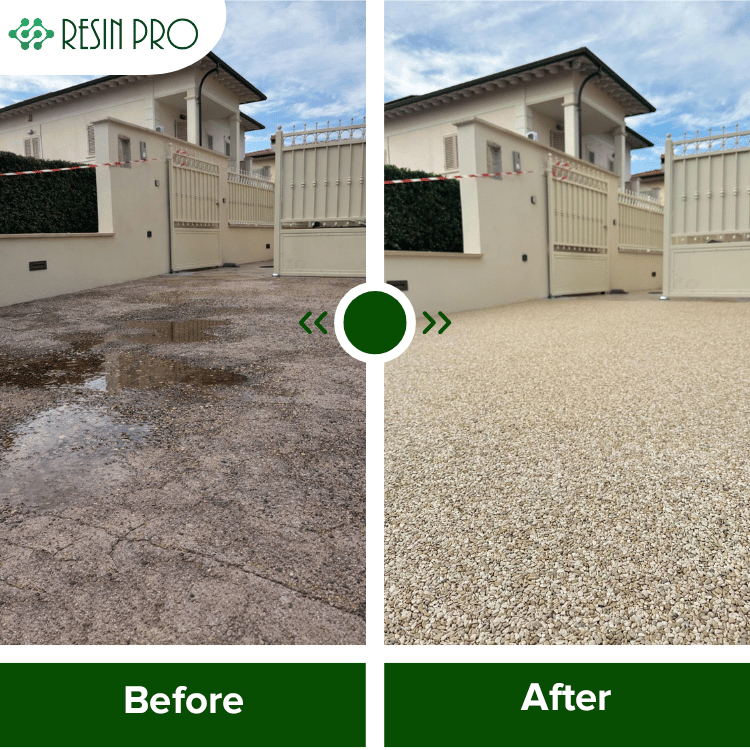
Different surfaces demand different types of resin for lasting and attractive results. Knowing which resin to use helps ensure your floors, tables, or countertops perform and look their best for years to come.
Epoxy vs Polyurethane: The Basics
Epoxy resin is a popular choice for indoor and decorative uses like coloured pebble floors, river tables, and high-gloss countertops. It provides a clear, hard finish that shows off natural colours or achieves stunning artistic effects. For outdoor floors using white aggregates or for projects needing increased flexibility and weather resistance, polyurethane binders are often more suitable, as they help preserve bright whites and hold up well against UV and temperature extremes.
Selecting the Right Resin for Your Project
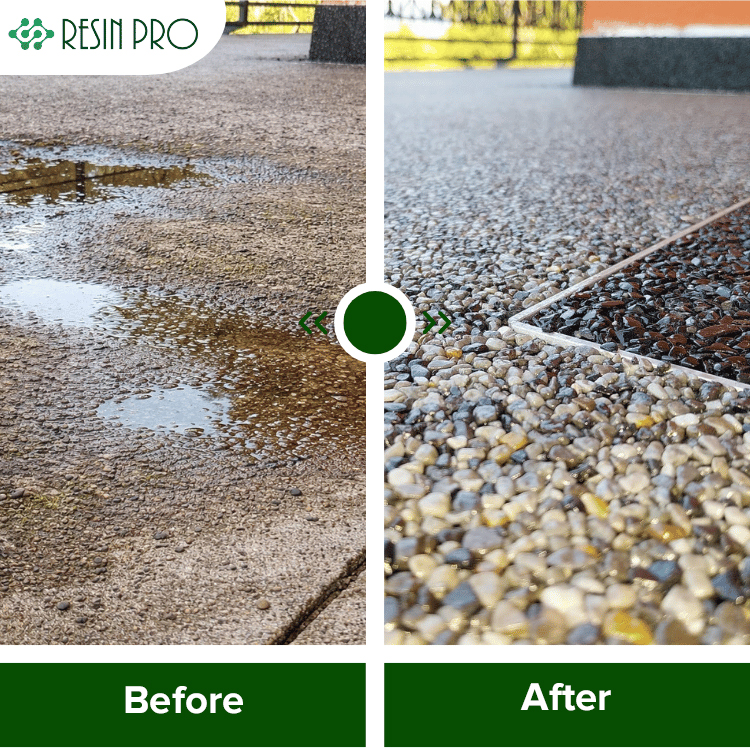
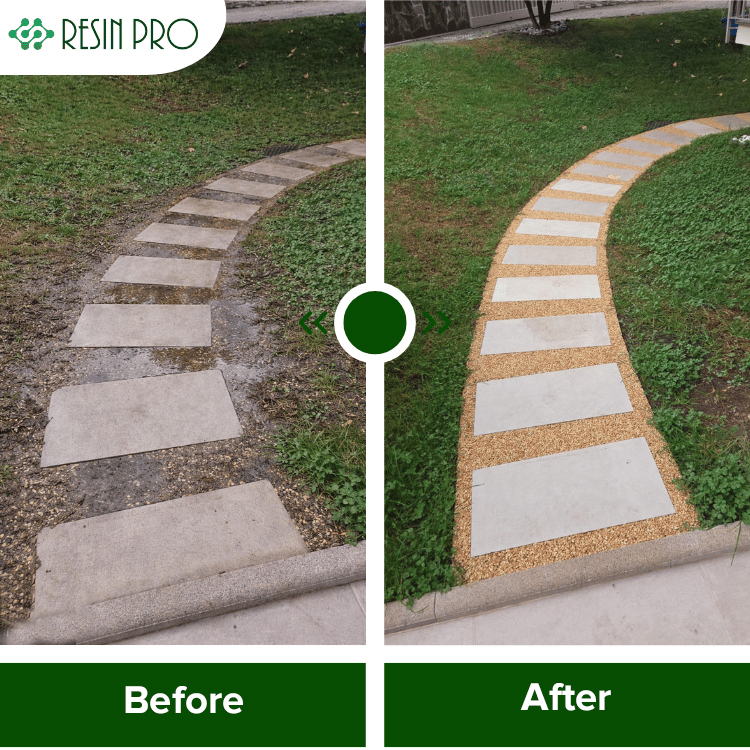
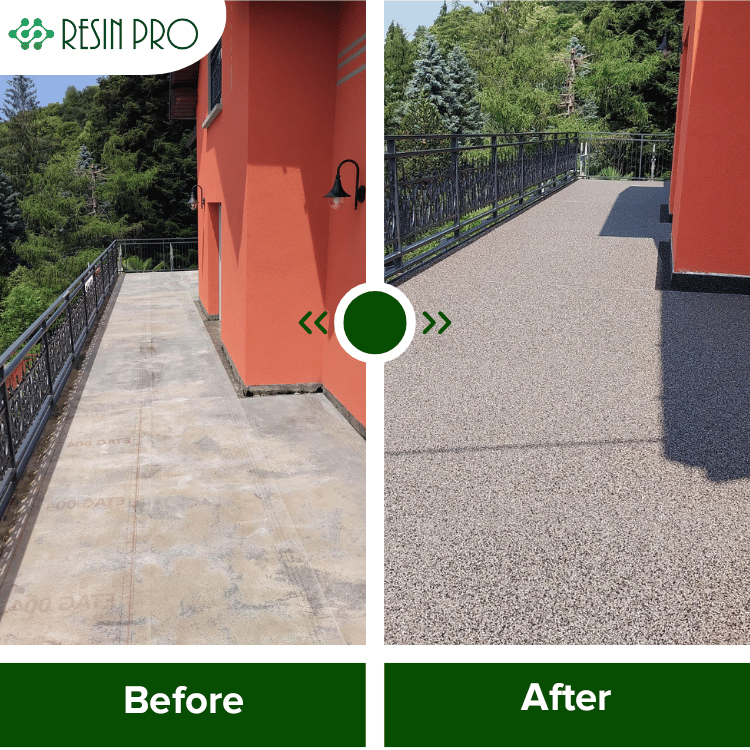
- Pebble and Aggregate Floors: Use epoxy resin for coloured stones and polyurethane for white or light aggregates. This prevents yellowing and keeps vibrant colours intact.
- River Tables: Dedicated epoxy kits allow casting at different thicknesses, delivering crystal clear, bubble-free surfaces ideal for deep or shallow pours.
- Countertops: Thick, self-levelling epoxy resins enable stylish, stone-effect worktops and easy DIY applications, providing a tough, attractive finish ideal for kitchens and bathrooms.
When Resin Choice Matters Most
Choosing the right resin is crucial when colour clarity, durability, or exposure to sunlight and moisture are priorities. Using epoxy where recommended protects colours and delivers a professional finish, while switching to polyurethane binders for white stones or outdoor spaces ensures long-term performance.
Related products
Related guides
Matching your resin to the surface is key to achieving outstanding results, whether you’re renewing a drive, creating a river table, or updating a worktop. For more on resin costs and choosing the right system, visit our parent guide on developing epoxy resin solutions.