 Free shipping on orders over £29,85
  Shipping Tracking!


 Google
 Facebook
← Back to How much resin do I need for a driveway?
Resin driveways have become a popular solution for homeowners seeking a durable and attractive surface that can withstand the UK’s often unpredictable weather. Understanding how resin systems handle rain, frost, and seasonal shifts is essential before making your choice.
How Resin Driveways Cope with UK Weather
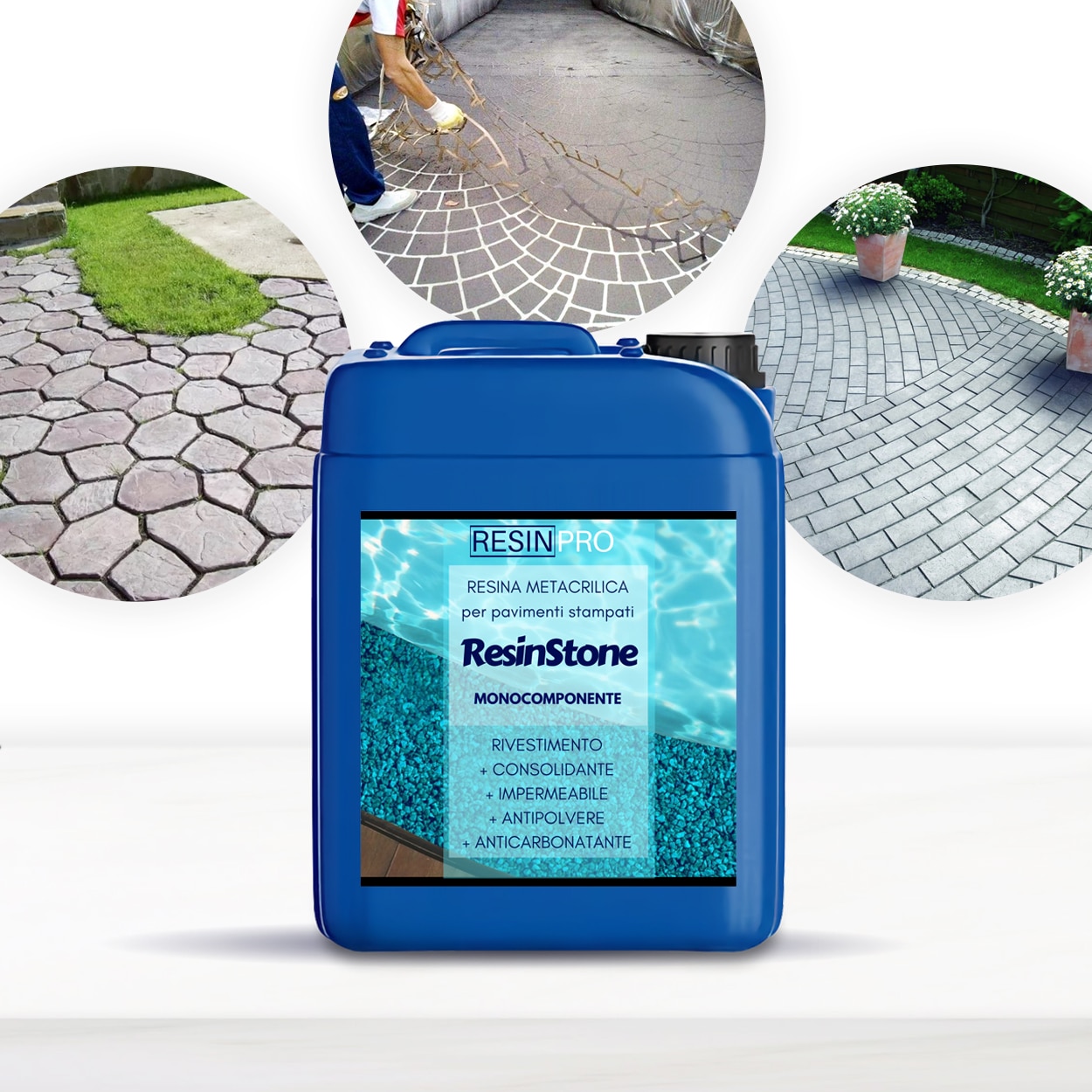
Modern resin systems, such as Resinstone and permeable kits like Flowstone, are formulated to resist the challenges of British weather. These surfaces typically offer waterproofing alongside breathability, so water cannot penetrate but moisture beneath the surface is not trapped. Many resins also protect against UV exposure, slowing down colour fading and yellowing over time.
Choosing the Right Resin for Lasting Results
It’s important to match the resin type to your driveway’s specific needs. For concrete driveways, a methacrylic resin such as Resinstone delivers robust sealing, guards against temperature variation, and enhances overall durability. If you desire a decorative, permeable surface, a system like Flowstone or a transparent epoxy binder for coloured pebbles gives you drainage and colour stability. Always select the resin type recommended for your aggregate and surface to ensure optimal adhesion and weather resistance.
When Weather Resistance Matters Most
Weather-resistant resin is crucial in areas prone to heavy rainfall, freeze-thaw cycles, and prolonged sun. For driveways exposed to frequent wetting, a permeable solution helps prevent puddling and minimises moss growth. Driveways that catch the sun benefit from UV-stable resins, helping preserve both appearance and performance year-round.
Related products
Related guides
With the right resin system, your driveway can handle rain, frost, and sun with confidence. This built-in weather resistance not only protects your investment but also compliments the guidance on resin quantities for driveways on our main hub.