 Free shipping on orders over £29,85
  Shipping Tracking!


 Google
 Facebook
← Back to How do you grout tiles before applying resin?

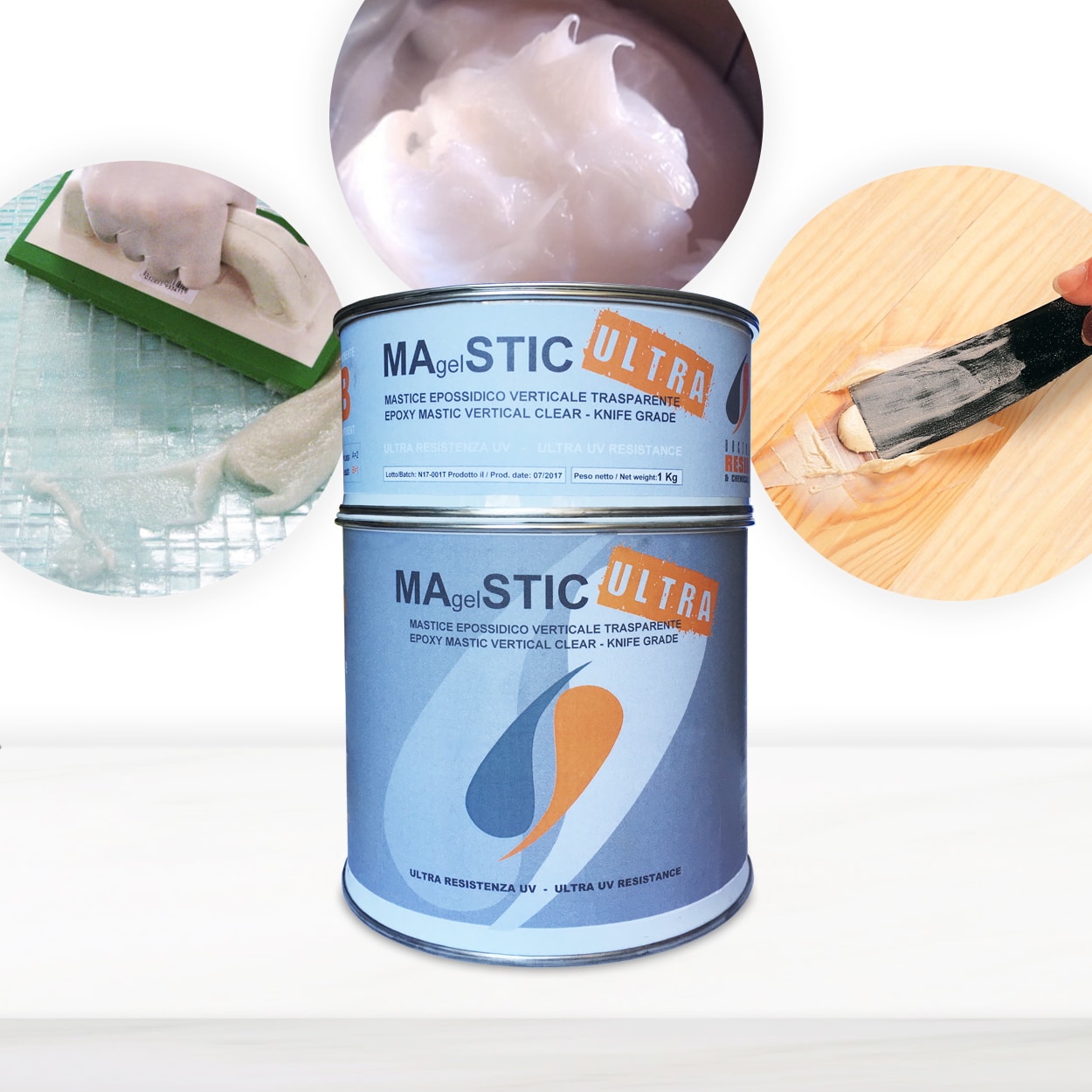
Choosing the right roller is key to achieving an even, professional look when applying primer or resin on tiled and grouted surfaces. The right tool ensures a flawless finish and helps you work more efficiently.
Short-Pile and Sponge Rollers: The Preferred Options
For tiled floors, short-pile rollers offer excellent control with minimal fabric drag, helping you achieve a level coat on both the tiles and grout lines. These are particularly useful for detailed areas and precise edging. Sponge rollers are another strong choice – they distribute resin or primer evenly and encourage self-levelling, reducing the likelihood of streaks or marks. Both types allow you to apply thin, consistent layers that are vital for strong adhesion and a flawless final result.
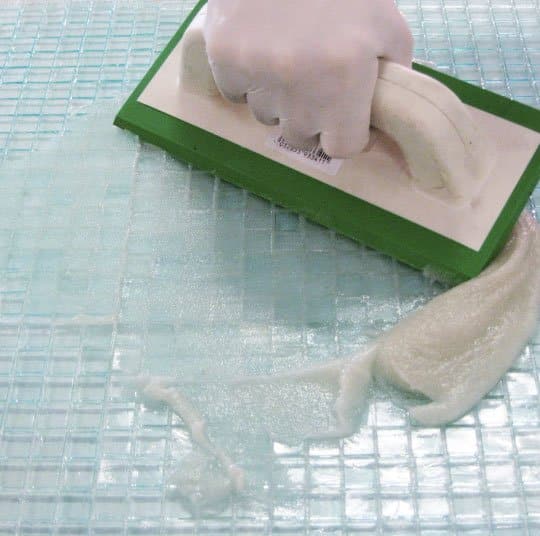
Application Tips for Best Results
- Always start with a clean, dry surface. Remove any dust or debris before rolling on primer or resin.
- When applying with a short-pile roller, work in manageable sections and avoid flooding the surface; excess product can pool in grout lines.
- Sponge rollers are excellent for larger, flat areas, helping you work quickly without sacrificing coverage quality.
- If you are using a water-based primer such as Epoxyprimer, allow adequate curing time before proceeding with further resin layers.
When Roller Choice Matters Most
The correct roller is particularly important when working around textured tiles, deep grout joints, or when aiming for a seamless, modern finish. Using a suitable roller can minimise waste and prevent common issues like bubbles or uneven coverage.
Related products
Related guides
Having the right roller makes applying primer or resin on tiles both easier and more predictable. For more detailed preparation tips and product guidance, see our main advice on how to grout tiles before applying resin.