 Free shipping on orders over £29,85
  Shipping Tracking!


 Google
 Facebook
← Back to how to make erasers without silicone
Making erasers can be a creative and rewarding activity for children, but safety is essential to ensure the experience is both fun and risk-free. This guide outlines the key safety considerations when making DIY erasers with young ones.
Choosing Safe Materials
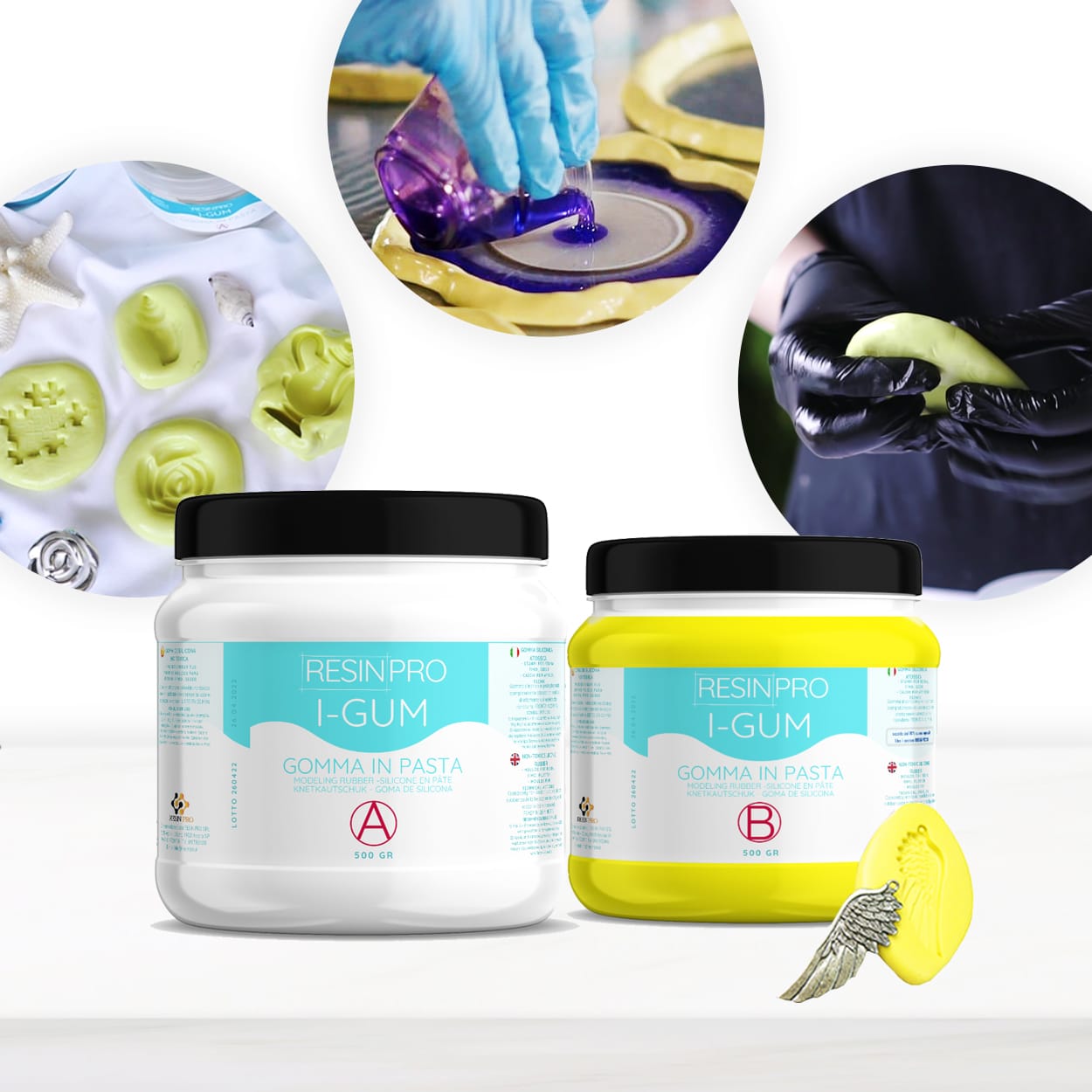
Always use materials that are labelled as non-toxic and child-safe when crafting erasers with children. Avoid products containing harmful chemicals or unverified ingredients. Ready-to-use eraser clay or putty made specifically for children’s crafts is a good option, as it is designed to be safe for young users. If you require moulds, products such as “I–Gum” silicone putty are non-toxic and suitable for supervised use.
Supervision and Handling Heat
Many DIY eraser projects involve heating steps such as baking or boiling to set the eraser shape. These steps should always be carried out by an adult. Keep children away from hot surfaces, boiling water, or ovens. Let children focus on shaping and decorating, while adults handle all tasks that involve heat.
When This Matters: Understanding Age and Skill
Safety measures become especially important for young children or those new to crafting. Always adjust tasks based on a child’s age and maturity. For very young crafters, consider skipping heat-based methods and use air-dry alternatives where possible.
Related products
Related guides
By selecting child-safe materials and closely supervising any steps involving heat, you can create erasers with children in a safe and enjoyable way. For broader guidance on making erasers without silicone, see our main eraser-making resources.