 Free shipping on orders over £29,85
  Shipping Tracking!


 Google
 Facebook
← Back to How do you use resin on a car body?

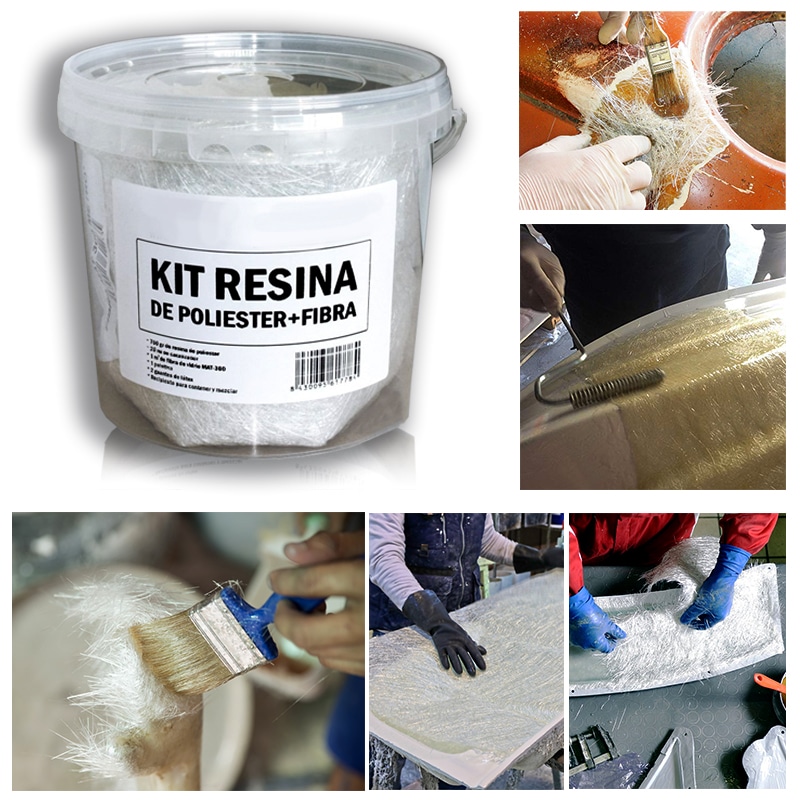
Achieving a long-lasting repair with resin on a car body starts with meticulous surface preparation. Sanding and cleaning the area ensures that the resin will properly bond, providing a strong, durable finish.
Why Surface Preparation Is Crucial
Creating a good bond between the car body and resin depends on a clean, roughened surface. Old paint, rust, or debris can prevent resin from fully adhering. Sanding removes these obstacles, increasing the contact area and helping the resin grip tightly to metal or fibreglass. Neglecting this stage risks poor adhesion and a less durable repair.
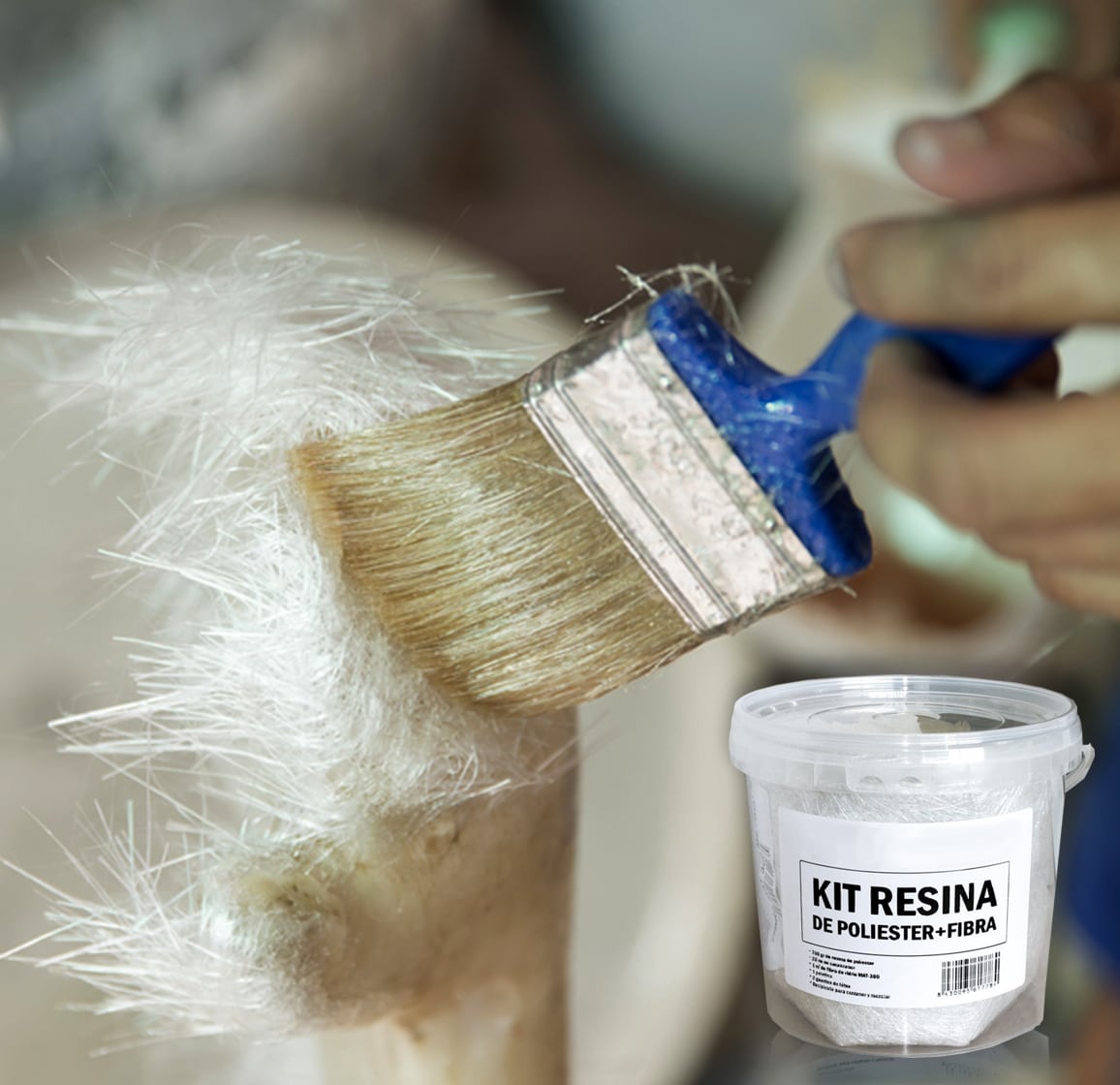
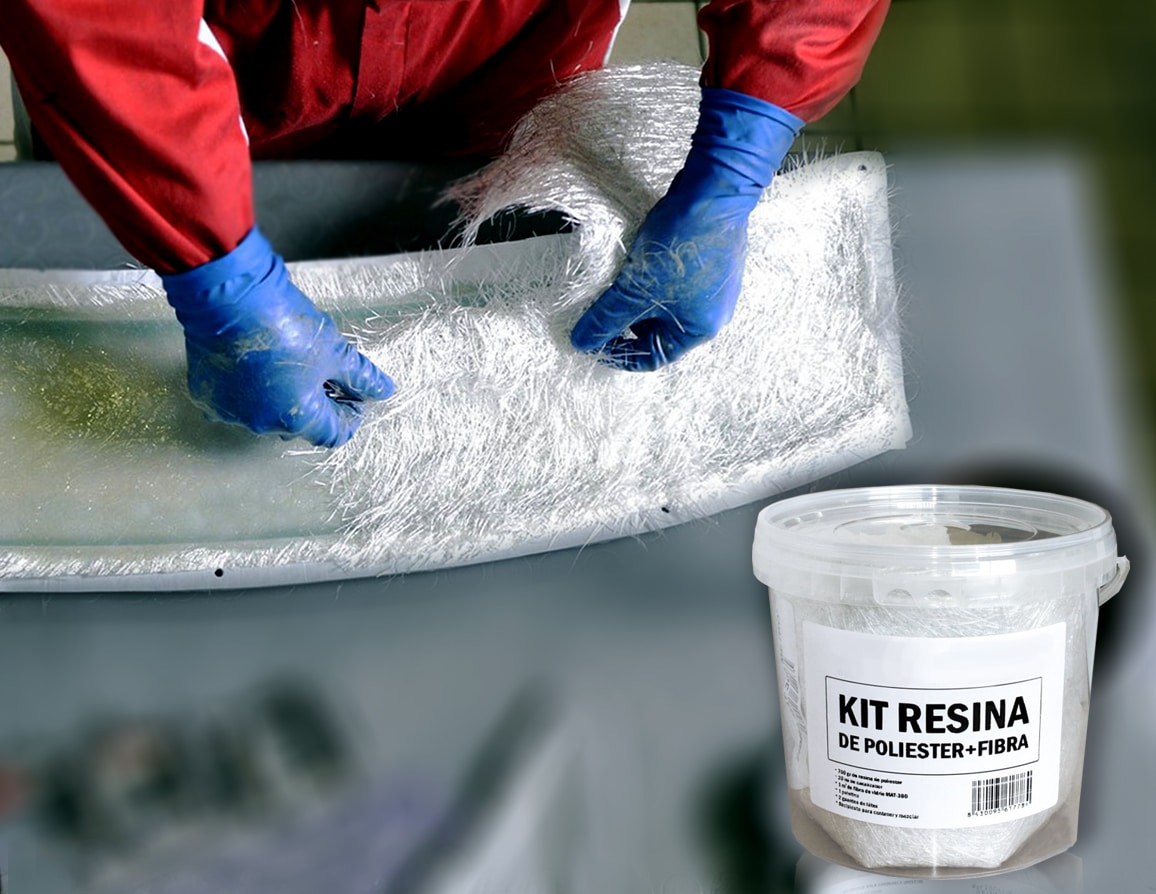
Step-by-Step Preparation Guide
- Clean: Wash the designated area thoroughly to eliminate dirt, grease, and wax. Dry it with a lint-free cloth.
- Remove Paint & Rust: Use medium to coarse sandpaper (typically 80–120 grit) to strip away paint and any signs of corrosion from the repair zone.
- Smooth Edges: Feather the edges of the sanded area so the repair will blend seamlessly with the rest of the car body.
- Final Dust-Off: Wipe the area with a tack cloth or a clean rag to remove sanding dust, ensuring nothing interferes with adhesion.
Once prepped, you’re ready to apply your resin kit—like the Resin Fibreglass Repair Kit—and follow the manufacturer’s instructions for mixing and setting.
When This Matters Most
Sanding and thorough preparation are essential not just for cosmetic repairs but for restoring strength to areas affected by rust, dents, or cracks. Any structural or waterproofing resin job on car bodywork depends on starting with a carefully prepared surface for lasting results.
Related products
Related guides
Properly sanding and preparing the area is the foundation of every reliable car body resin repair. For a complete guide to using resin on vehicles, visit our main page on how to use resin on a car body.