 Free shipping on orders over £29,85
  Shipping Tracking!


 Google
 Facebook
← Back to How do you recognize a resin watch?
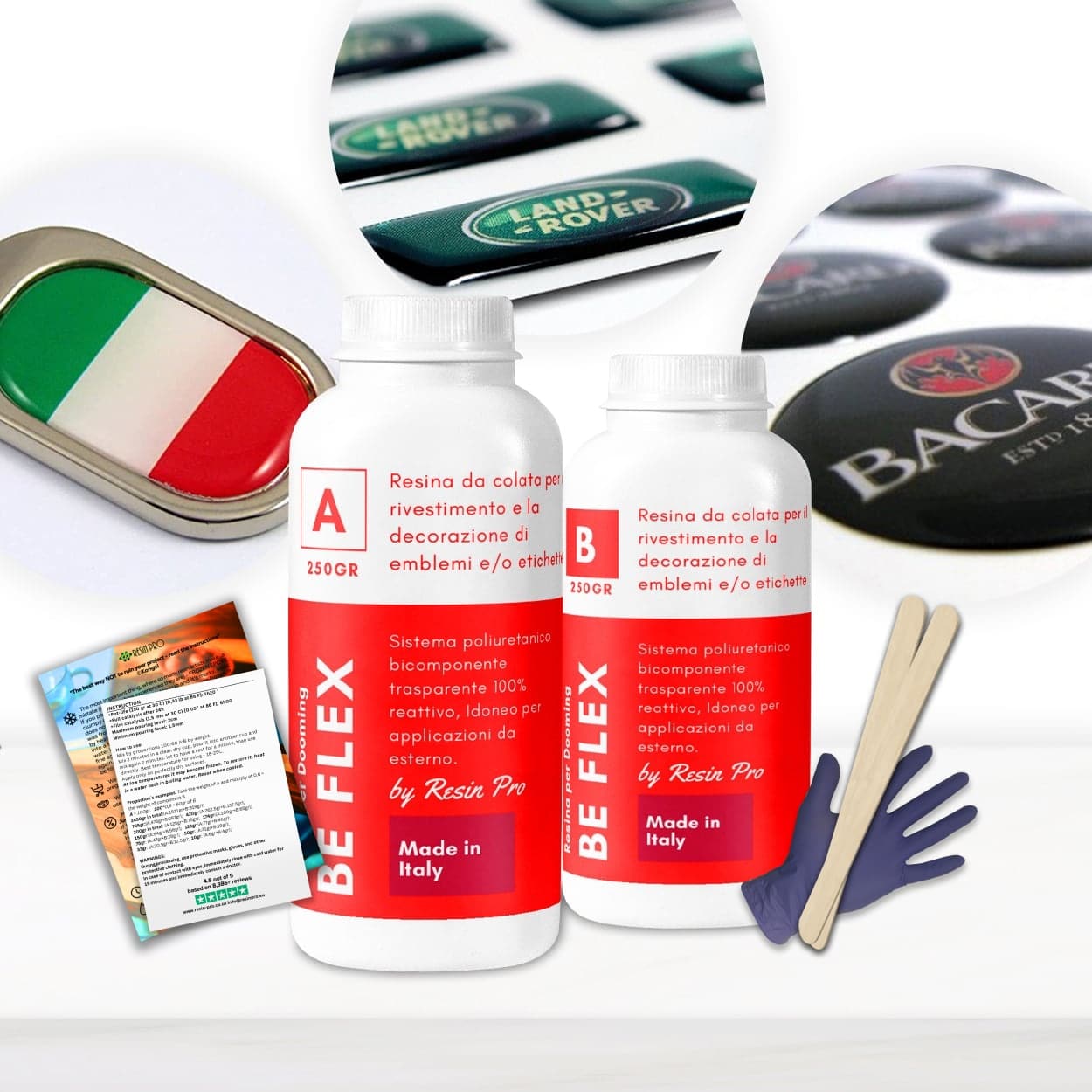
Scratch and abrasion-resistant resins with self-healing properties are increasingly popular for items that require both durability and flawless appearance. These advanced coatings provide long-lasting protection for various applications, including watches, badges, and labels.
What Makes a Resin Scratch and Abrasion Resistant?
Resins designed for scratch and abrasion resistance contain flexible polymers that form a protective layer over the surface. This not only shields the substrate from everyday wear but also helps it retain a clear, glossy look. The self-healing feature enables the resin layer to repair minor scratches or pressure marks on its own, contributing to a pristine finish for longer periods.
Choosing and Applying Self-Healing Resin
When selecting a self-healing resin, consider its compatibility with curved or flexible surfaces. For instance, “Be Flex” Transparent Polyurethane Doming Resin is a practical choice for doming applications, such as on watches or labels, where scratch resistance and clarity are essential. Applying the resin evenly with the correct mix ratio (such as 1:1 by weight) and following curing instructions is key to achieving a bubble-free, professional finish.
When Does Self-Healing Matter Most?
Self-healing resin matters most in settings where items are handled frequently or exposed to outdoor environments. Its ability to recover from minor abrasions helps maintain a flawless appearance, making it invaluable for products expected to look their best over time.
Related products
Related guides
Understanding the role of scratch and abrasion-resistant, self-healing resin helps you both recognise and maintain the value of resin-coated items. Learn more about recognising resin watches and protective coatings on our main guide to recognising a resin watch.