 Free shipping on orders over £29,85
  Shipping Tracking!


 Google
 Facebook
← Back to how to make an epoxy resin table
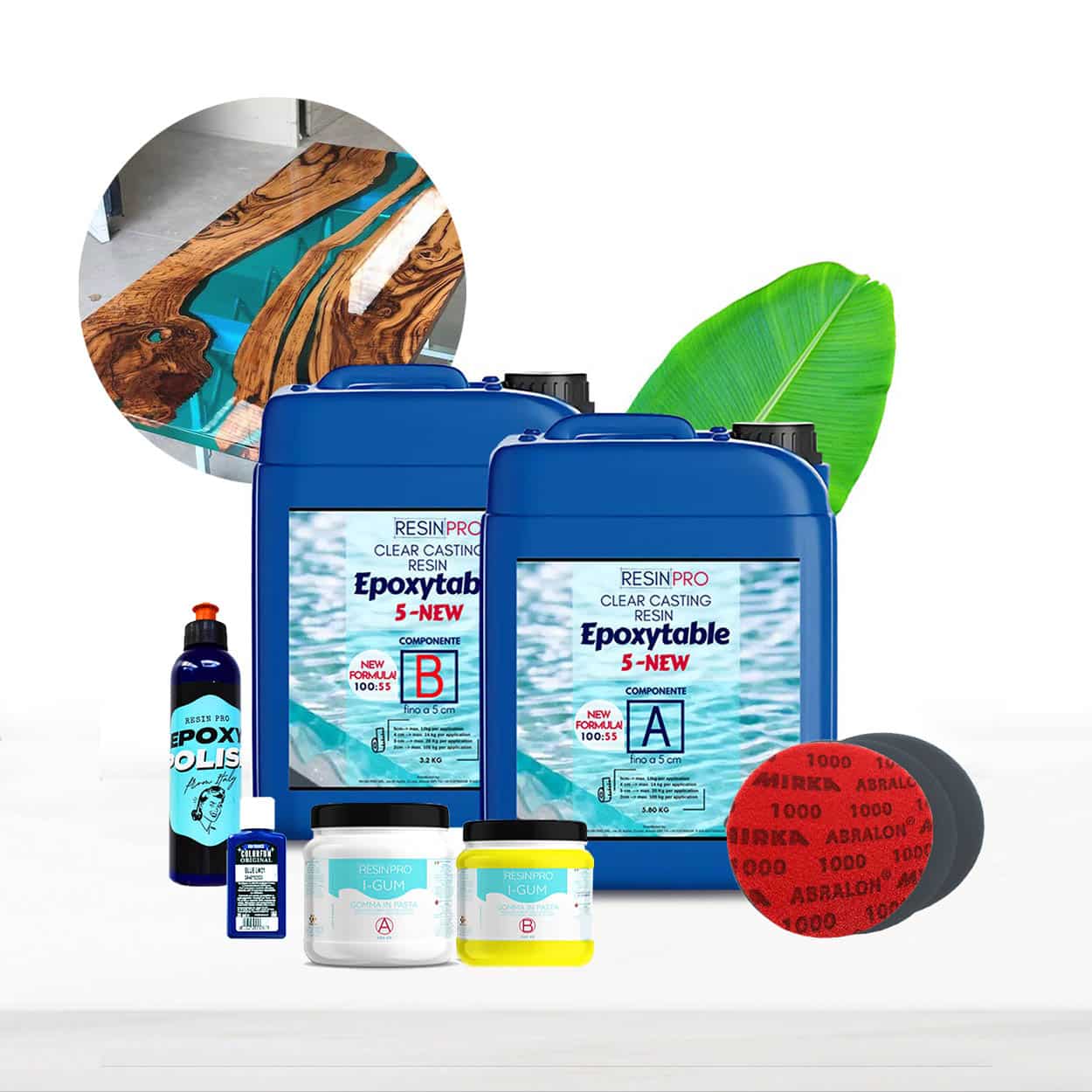
Getting the formwork right is a crucial early step when making an epoxy resin table. Proper sealing and levelling of your form ensures your final result is smooth and free of leaks or warping.
Why Sealing is Essential
Epoxy resin finds its way through even the smallest gaps, so a perfectly sealed mould saves resin and prevents unsightly drips or loss. Using a silicone sealant along all joints and corners of your formwork creates a barrier that keeps the resin where it should be. Apply the sealant neatly and allow it to fully cure before pouring.
- Be thorough: even minor gaps can result in leaks.
- Work with a quality silicone for strong adhesion and clean removal.
- If using a release film (as included in the complete river table kit), ensure it is flat and bubble-free against your base.
Levelling the Formwork
After sealing, it’s vital to check that your form is perfectly level. Any unevenness can cause resin to pool on one side, making the final surface difficult to sand flat or requiring extra finishing work. Place your mould on a sturdy surface and use a spirit level to check multiple directions. Adjust using shims or wedges under the form until it is completely level.
- Double-check before mixing or pouring resin, as heavy resin can slightly shift surfaces.
- Consider rechecking midway through the pour, especially for large projects or when using deep pour resins.
When This Matters Most
Sealing and levelling take on extra importance for tables, river slabs, or larger projects. With thicker pours and higher resin volumes, leaks and uneven surfaces can have bigger consequences and be far more challenging to correct after curing.
Related products
Related guides
Taking the time to seal and level your formwork sets the foundation for a successful, professional-quality epoxy resin table. For more detailed advice on the complete process, see our full guide on how to make an epoxy resin table.