 Free shipping on orders over £29,85
  Shipping Tracking!


 Google
 Facebook
← Back to How to decorate a table with resin
Properly sealing and protecting the wood is a crucial first step when decorating a table with resin. This ensures not only a beautiful finish, but also the long-term durability of your project.
Why Seal Before Pouring Resin?
Wood is naturally porous, which means it can trap air and moisture. If not sealed, trapped air may escape and form bubbles in your resin pour, marring the clarity and surface. A pre-sealed surface minimises bubbles, prevents blotchy absorption and provides a stable base for your resin artwork.
How to Seal and Protect Wood for Resin Tables
- Clean and Prepare: Remove dust, oil and debris from your wood slab. Light sanding creates a smooth, even surface.
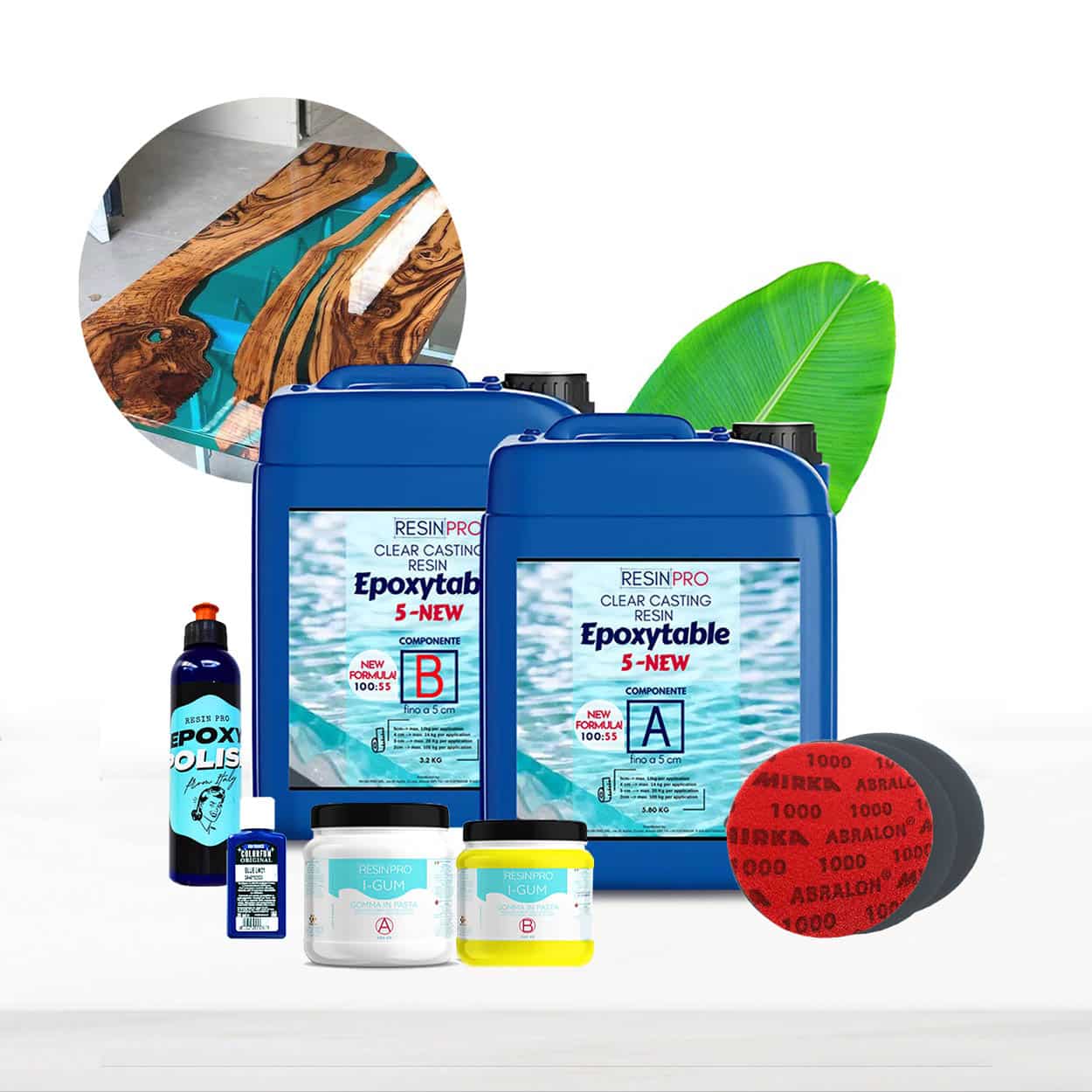
- Choose Your Sealer: Use an appropriate sealer – many opt for a thin layer of the same epoxy resin used for the pour. Products such as “River-Table” – Complete Kit include sealant and instructions designed for this step.
- Apply Thinly: Brush or roll on a very thin layer, ensuring full coverage on surfaces and edges. Allow it to cure fully before your main resin pour.
- Check for Missed Spots: Address any areas that have absorbed the sealant quickly, as these may need a second coat before pouring the thicker layer.
When Extra Protection Matters
If your table will be in a humid environment or near windows, extra attention should be given to sealing every exposed edge and surface. This helps prevent later moisture ingress that could lead to clouding or separation between wood and resin.
Related products
Related guides
A well-sealed and protected wood base is essential for stunning, long-lasting resin table designs. For a complete step-by-step guide on transforming your table with resin, visit our How to decorate a table with resin hub.