 Free shipping on orders over £29,85
  Shipping Tracking!


 Google
 Facebook
← Back to How to apply resin to a photograph?
Sealing inkjet prints before applying resin is a crucial step for any art or craft project that involves photographs. Unsealed prints are vulnerable to ink bleeding or smudging when they come in contact with wet resin, potentially spoiling your finished piece. This guide explains the importance of sealing and offers practical steps for best results.
Why Sealing Matters for Inkjet Prints
Inkjet prints are created from liquid ink, which can react and blur when exposed to moisture—including resin. Applying resin directly may cause the colours to run or dissolve, particularly with vibrant or dark images. For this reason, sealing provides a protective barrier between the ink and the resin, locking in your artwork’s clarity.
Best Practices for Sealing Prints
Choose a spray acrylic lacquer or fixative designed for art prints. Spray a light, even coat over your dry print in a well-ventilated area, holding the can 20–30cm away. Allow it to dry fully—usually at least 30 minutes. For additional protection, apply a second coat and let it dry completely before moving on to resin application.
- Handle prints by the edges to avoid fingerprints.
- Ensure the sealing layer is entirely dry to prevent moisture from interacting with the resin.
Applying Resin for a Clear, Lasting Finish
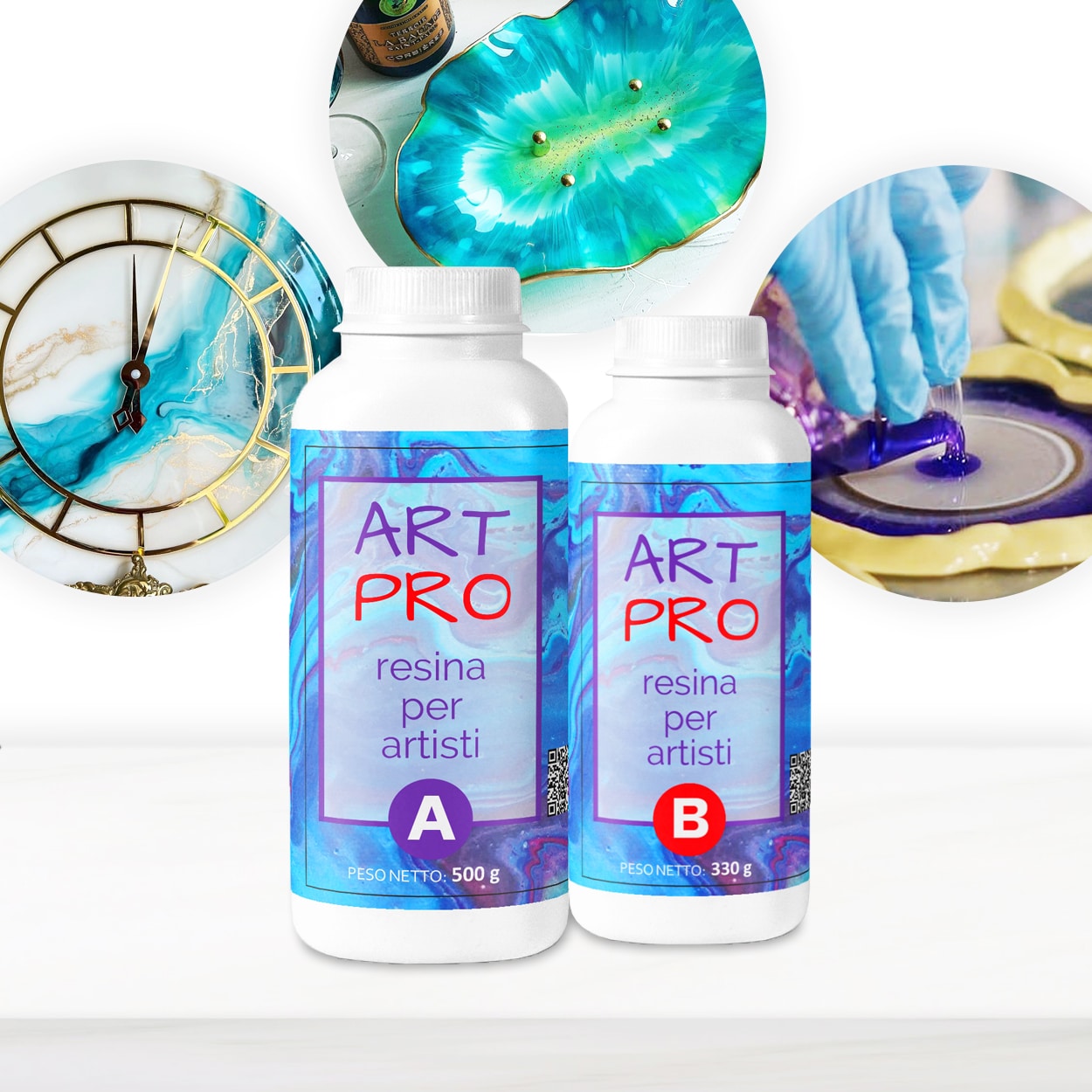
Once your print is fully sealed, you can confidently apply a clear epoxy resin such as Art Pro for a high-gloss, protective surface. Use a gentle pour and spread an even layer, following the manufacturer’s mixing and curing instructions. This approach helps prevent ink movement and ensures a vivid, long-lasting result.
Related products
Related guides
Taking the time to seal your inkjet prints safeguards your artwork and produces crisp, professional results when working with resin. To explore more tips and complete guidance, visit the main guide on how to apply resin to a photograph.