 Free shipping on orders over £29,85
  Shipping Tracking!


 Google
 Facebook
How to apply resin to a photograph?
Step-by-step to protect and enhance your photo art

Applying resin to a photograph is a popular technique for giving your images a professional, glossy, and highly durable finish. This guide will walk you through the entire process, ensuring your photos are protected from scratches, moisture, and UV rays, while looking stunning. Whether you are preserving a memorable print or creating bespoke art, following these steps will help you achieve a flawless resin finish over your photographs.
What You’ll Need
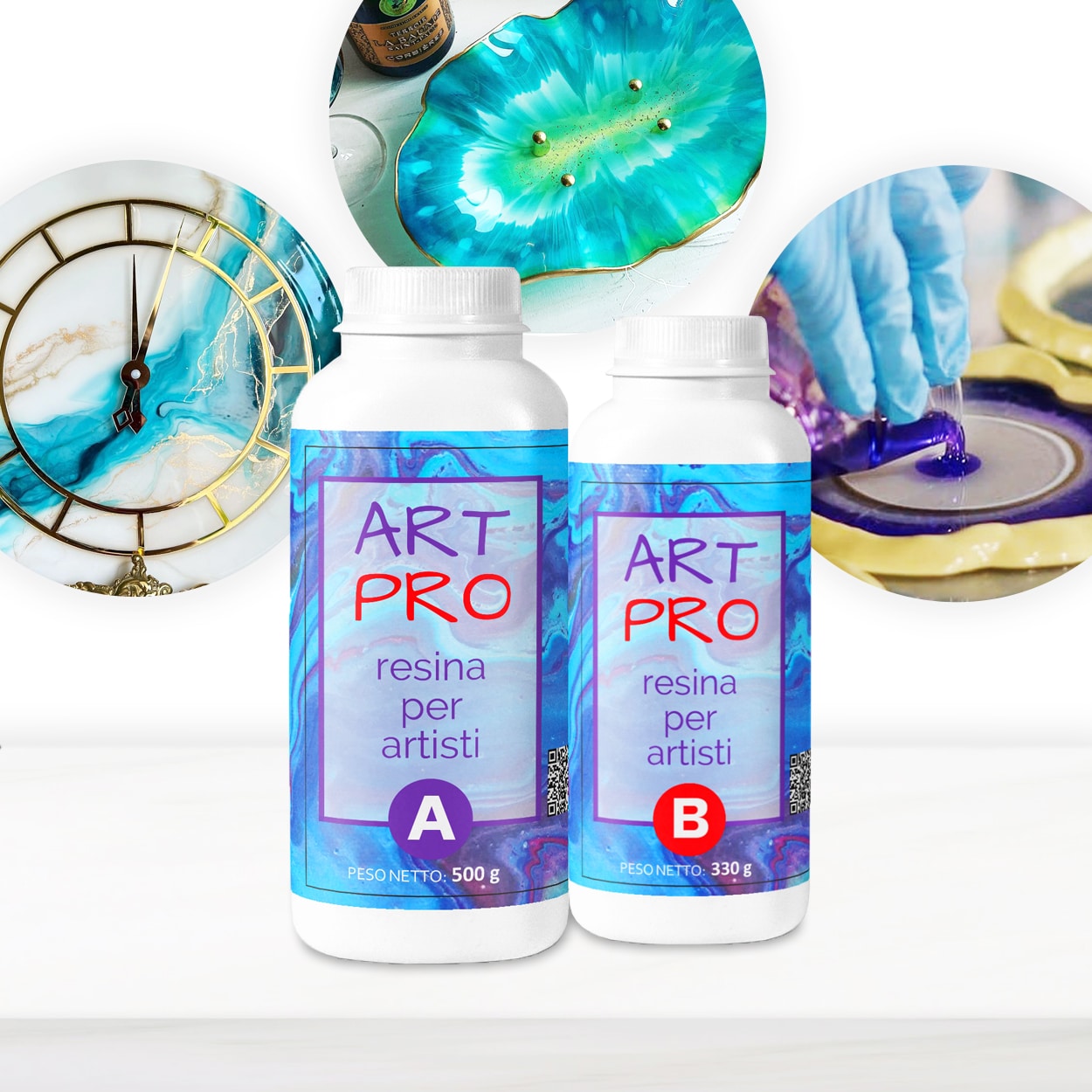
- “Art Pro” – Clear Epoxy Resin for Artists and Surface Coating: Medium viscosity, clear resin ideal for smooth photo coatings
- “Icrystal” – Clear Epoxy Resin – Odourless Formula – Up to 1.5cm: Odourless, transparent resin especially suited to photo and craft applications
- Protective gloves and mixing utensils
- Flat, dust-free workspace
- Cups or containers for mixing
- Plastic sheet or disposable covering for your work area
- Spirit level (optional, but helps ensure even resin distribution)
- Masking tape (for edges and workspace)
- Acrylic spray sealant (particularly for inkjet prints)

Visual Inspiration: Resin-Finished Photographs
See how beautifully a resin finish enhances the depth and vibrancy of photographic art, creating a protective, glass-like surface that makes your images truly stand out. Notice the clarity and brilliance achievable with the right preparation and pouring technique.
Step 1: Prepare the Photograph Surface
Start by ensuring your chosen photograph is clean, flat, and thoroughly dry. Lay it carefully on your work surface and consider taping the reverse side to prevent any resin from seeping beneath. If your image is printed on inkjet paper, seal inkjet prints before applying resin using an acrylic spray sealant. Apply two light coats, allowing each to dry fully, to stop the resin from causing ink to run or bleed. For traditionally processed or laser prints, sealing is generally not necessary, but a gentle wipe with a dry, lint-free cloth is still recommended to remove any dust or fingerprints.

Step 2: Protect Your Workspace and Level the Surface
Cover your work area with a disposable sheet or plastic mat to catch any drips. Set your photograph on raised supports (such as blocks or disposable cups) so the edges are accessible and resin can flow off cleanly if needed. Use a spirit level under your photo to ensure the surface is perfectly flat—this helps the resin spread evenly and prevents pooling to one side. Edge the photo with masking tape underneath if you want to avoid drips forming below the artwork.
Step 3: Mix Your Resin Carefully
Put on protective gloves and ensure your workspace is well ventilated. Prepare your resin according to the manufacturer’s instructions. For most applications, Art Pro – Clear Epoxy Resin for Artists and Surface Coating is an excellent choice due to its clarity and easy mixing ratio. Alternatively, Icrystal – Clear Epoxy Resin offers an odourless experience and is suitable for layers up to 1.5 cm. Mix the resin and hardener slowly in a disposable cup, making sure to scrape the sides and bottom thoroughly. Stir gently to minimise bubbles, which will ensure your photograph remains clear beneath the resin.
Step 4: Pour and Spread the Resin Evenly
Slowly pour the mixed resin onto the centre of your sealed photograph. Allow it to spread out naturally, then use a gloved hand, spatula, or plastic spreader to gently guide the resin to the edges. The self-levelling nature of these resins makes it easy to cover the entire surface smoothly. If you notice bubbles, gently exhale over the surface or use a small handheld torch with caution—do not hold it too close or linger in one spot, as excessive heat can damage the photograph or resin surface.

Step 5: Cure and Finish the Piece
Once the entire photograph is covered and bubbles have been cleared, leave the piece on a level, dust-free surface to cure. Avoid touching the surface during curing as fingerprints will be permanently embedded. Cover with a clean box or container to protect from airborne dust and debris. Most resins take 12–24 hours for an initial cure, but full hardness and scratch resistance are achieved after several days. Once cured, remove any tape and check the edges—any remaining resin drips can be trimmed away carefully with a craft knife.
Tips and Common Mistakes
Seal inkjet prints before applying resin to prevent ink bleeding. Avoid touching the surface during curing to keep the finish flawless. Work in a dust-free environment for a crystal-clear result. When mixing, don’t rush—proper blending and slow stirring result in fewer bubbles and better clarity. For edges that aren’t as smooth as desired, you can gently sand and polish them after the resin is fully cured.
Technique Demo: Pouring Resin over Prints
Watch step-by-step demonstrations of resin pouring, spreading, and bubble removal. Focus on slow, steady application and perfect environment setup for optimal results. Explore art resin options to match your project scale and finish quality.

- "Art Pro" – Clear Epoxy Resin for Artists and Surface CoatingPrice range: £31.15 through £388.85Art Pro is a clear epoxy resin designed for artists and crafters, offering superior clarity and durability for decorative surfaces.
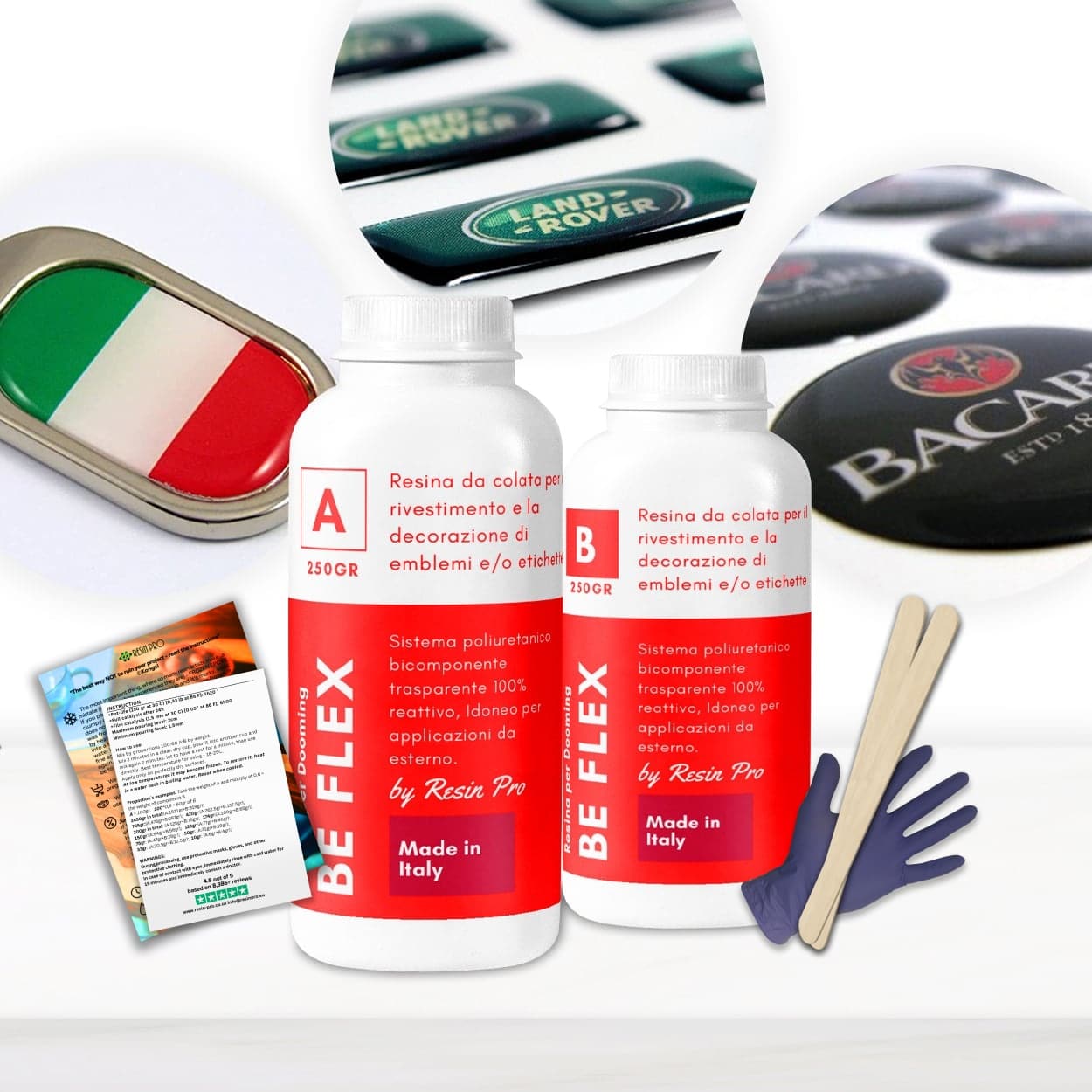 "Be Flex" – Transparent Polyurethane Doming Resin – Scratch-ResistantPrice range: £21.85 through £77.85"Be Flex" provides a flexible, transparent, scratch-resistant finish suitable for curved surfaces like stickers and labels.
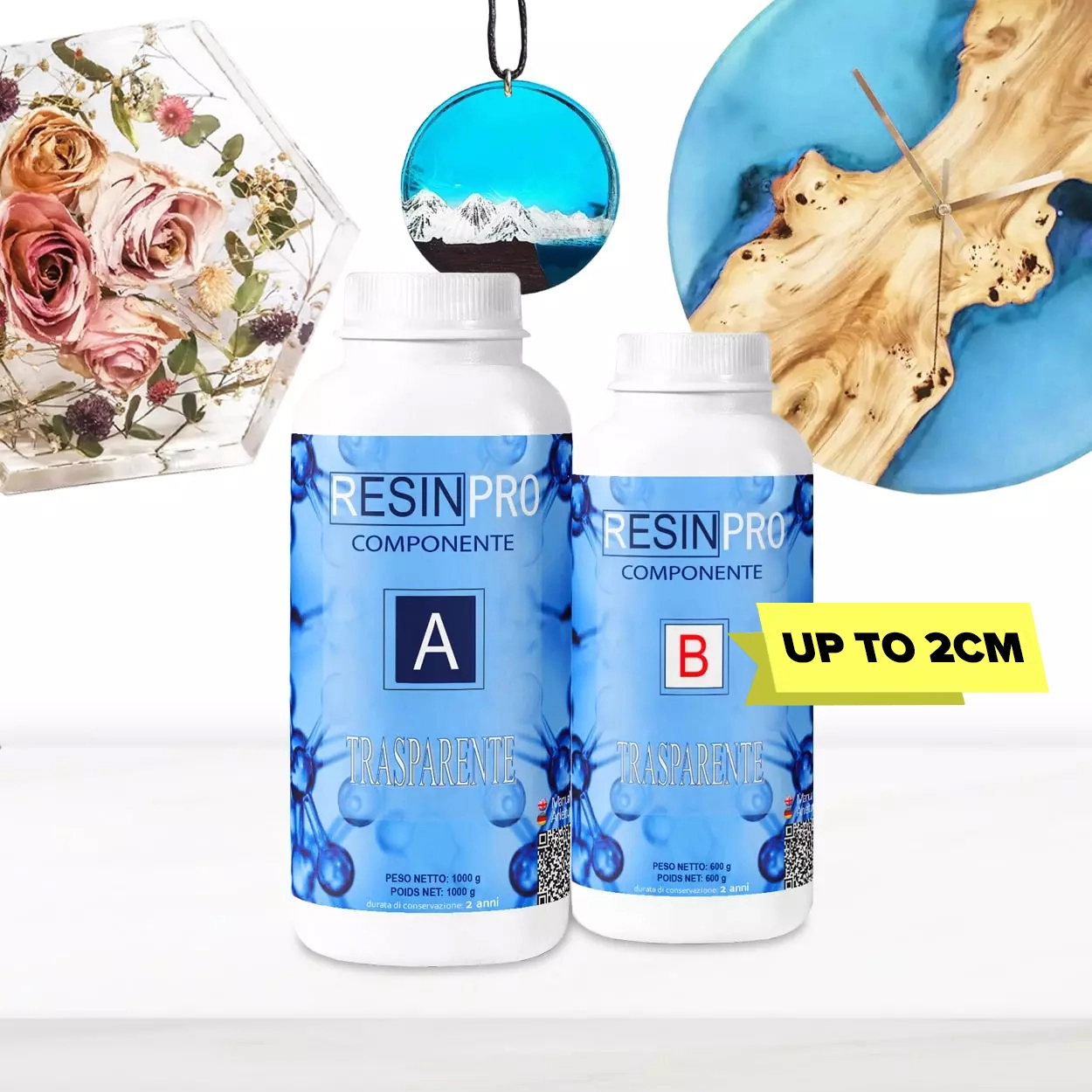 "Trasparente" – Multipurpose Clear Epoxy Resin for Casting – Up to 2cmPrice range: £8.45 through £948.85"Trasparente" offers an ultra-clear, self-levelling finish suitable for detailed castings and woodworking projects under the theme How to apply resin…
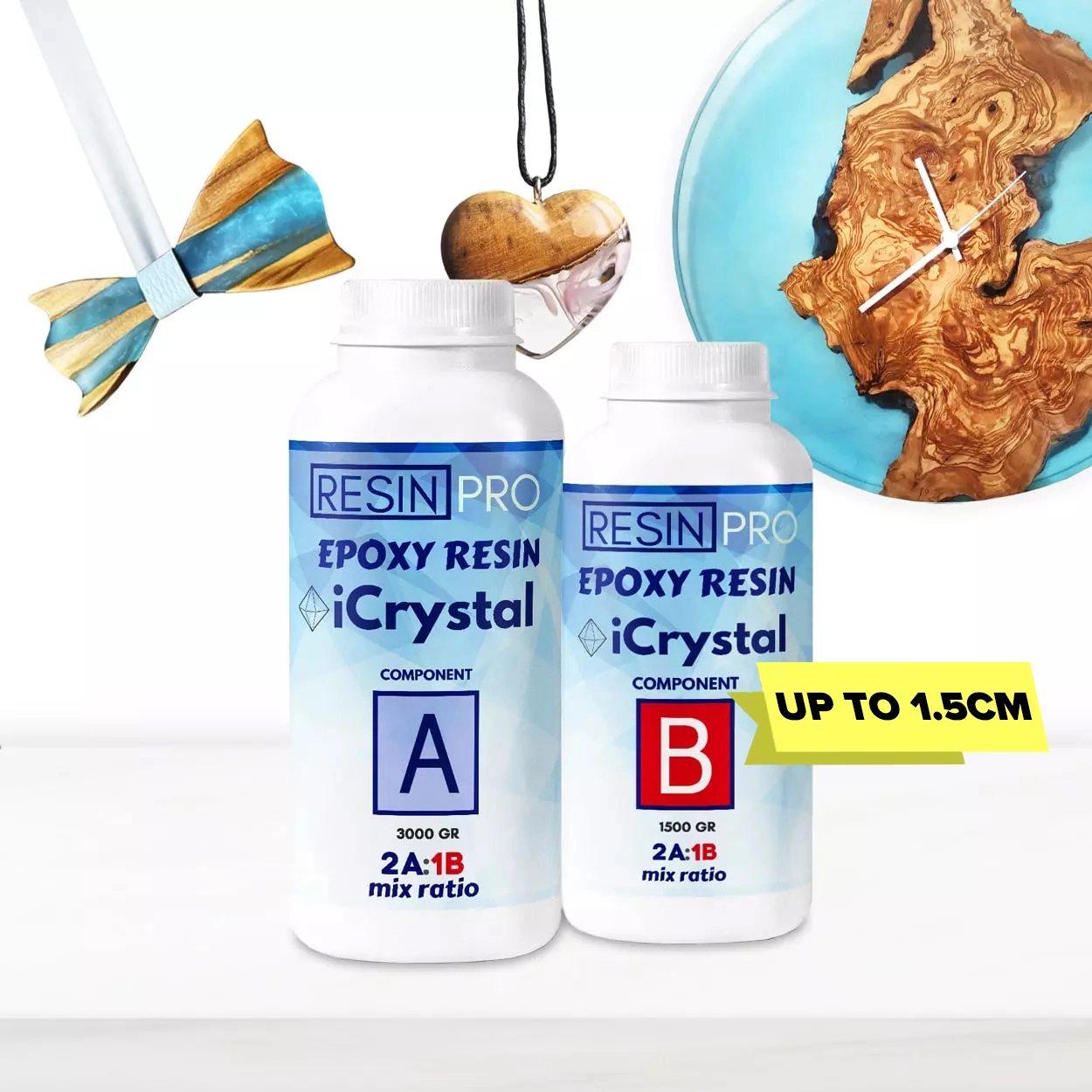 "Icrystal" – Clear Epoxy Resin – Odourless Formula – Up to 1.5cmPrice range: £11.65 through £954.85"Icrystal" is a transparent epoxy resin designed for clear, durable coatings and artistic projects fitting the 'How to apply resin to a photograph?'…
Frequently Asked Questions
Which resin should I use for a flat photographic print?
Choose an epoxy resin like Art Pro or Icrystal for smooth, high-gloss protection over photo paper or card.
Why do I need to seal inkjet photographs before coating with resin?
Inkjet prints can bleed or run when exposed to resin. Sealing with acrylic spray prevents this issue.
How can I avoid bubbles forming under the resin on my photograph?
Mix resin slowly, pour carefully, and use a torch or warm breath to eliminate surface bubbles.
Will resin application cause my photograph to fade?
Quality epoxy resins include UV protection to help prevent photo fading and keep colours bright.
What if resin drips over the edges of my photo?
Allow drips to cure, then sand or trim them for a clean finish once the resin is fully hardened.
Is a resin finish on photographs waterproof?
Yes, once fully cured, epoxy resin creates a waterproof, moisture-resistant barrier over your photograph.