 Free shipping on orders over £29,85
  Shipping Tracking!


 Google
 Facebook
← Back to How to build a table with epoxy resin?
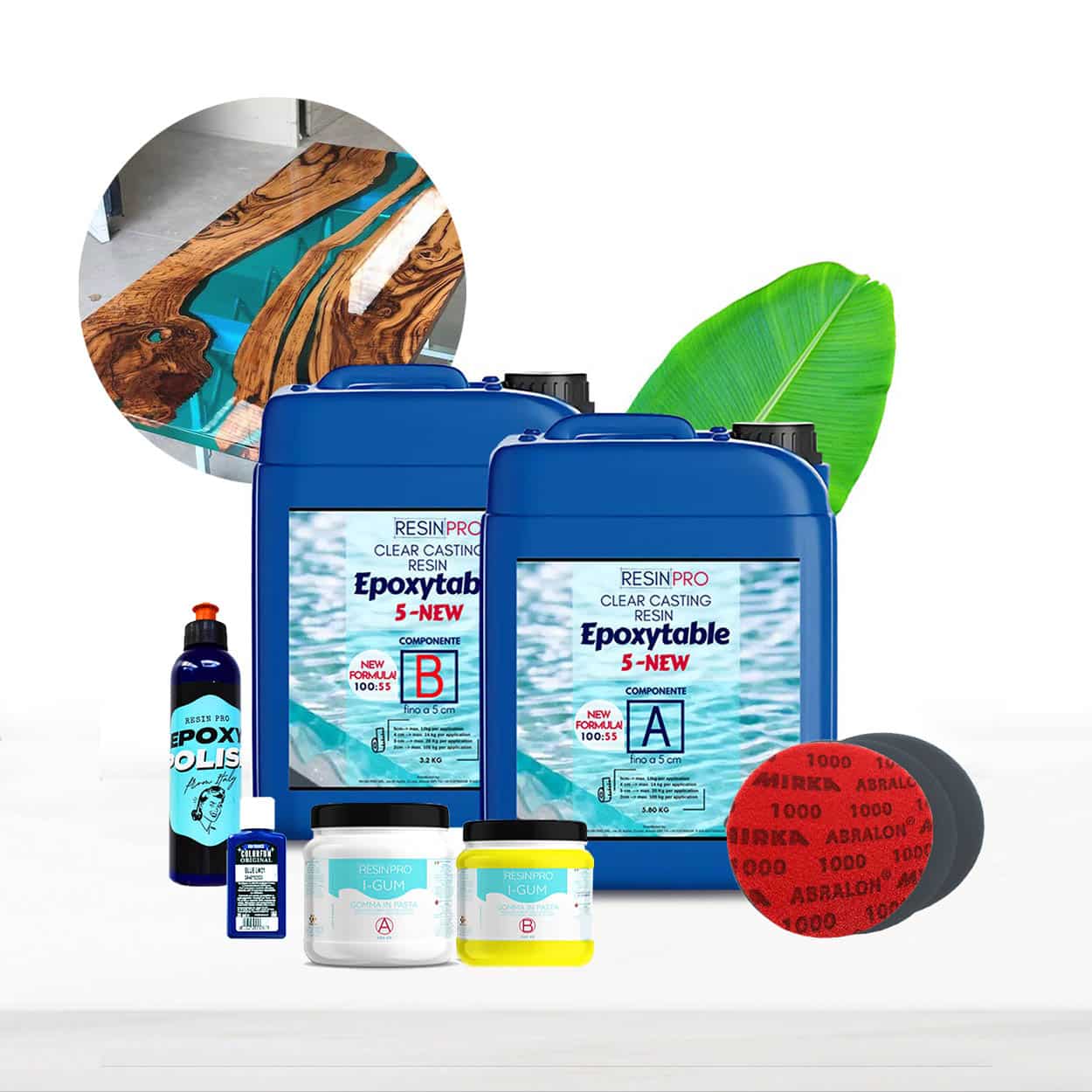
When crafting an epoxy resin table, a well-sealed formwork is essential for achieving clean edges and preventing leaks. Taking the time to prepare your mould saves headaches and ensures the resin sets perfectly.
Why Proper Sealing Matters
Formwork acts as the temporary mould that shapes your table and contains the resin as it cures. If the formwork is not sealed correctly, resin can seep out, resulting in waste, uneven edges, or even damaging your workspace. Sealing also prevents moisture or dust ingress, both of which can affect the final finish of your resin pour.
Steps to Effectively Seal Formwork
- Choose the Right Materials: Use smooth, non-stick materials like melamine board for the sides and base. These stop resin sticking and ease demoulding.
- Apply Release Film or Tape: Add a clear adhesive release film, such as the one included in the River-Table Complete Kit, to all contact surfaces. This helps with clean removal once cured.
- Seal the Joints: Use a silicone paste or sealant, ensuring all corners and seams are tight. Pay careful attention to the edges to prevent even the smallest leaks.
- Test for Leaks: Once assembled, pour a small amount of water into the formwork to check for potential leaks. Patch up any gaps you find before casting the resin.
When Attention to Sealing is Especially Important
Sealing formwork is crucial for deep pours and beginner projects. Thicker resin layers create more pressure on the mould, increasing the likelihood of leaks. If it’s your first time building a table with epoxy, following thorough sealing steps is the simplest way to ensure success. The right kit will provide not only resin but also the sealant and film designed to make this process foolproof.
Related products
Related guides
Investing in careful formwork sealing leads to a neater, more professional-looking epoxy resin table. To explore more tips on constructing your own table, visit the main guide on how to build a table with epoxy resin.