 Free shipping on orders over £29,85
  Shipping Tracking!


 Google
 Facebook
← Back to How to treat wood before resin?

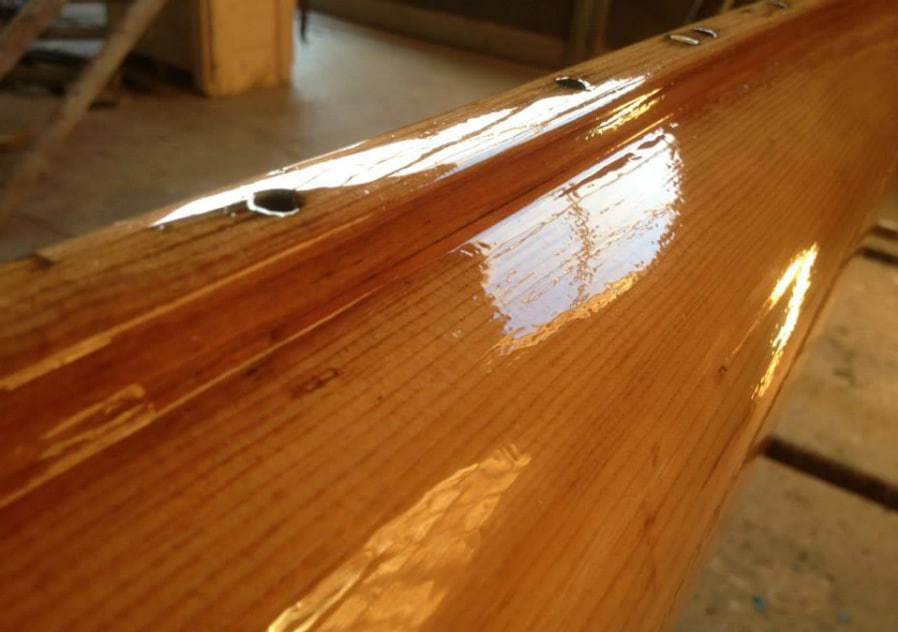
Treating knots and cracks in wood before applying resin is essential for a durable, attractive finish. Addressing defects at this early stage protects the result from air pockets and structural weaknesses.
Why Fill Knots and Cracks Before Pouring Resin?
Resin, such as EpoxyWood, can reveal hidden imperfections in wood if knots and cracks are left unfilled. Air can become trapped in these voids, leading to bubbles or blemishes in the set resin, which detracts from both strength and appearance.
Filling and sanding any visible gaps creates a stable, even surface. This supports the bonding process and helps to avoid fragile points that might otherwise fail over time.

How to Prepare Wood for Resin Application
- Inspect and Clean: Start by thoroughly cleaning and examining your wood for knots, splits, or small holes.
- Fill and Reinforce: Use a wood restoration epoxy, like EpoxyWood, to fill gaps or defects. It penetrates the fibres, reinforcing from within while making the wood water-resistant.
- Sand Smooth: Once cured, sand the filled areas level with the surrounding surface to ensure the resin flows and self-levels for a professional finish.
When This Matters
Filling knots and cracks is especially important for pieces exposed to wear or moisture, such as tables, coasters, or outdoor woodwork. Proper preparation minimises the risk of future damage and leaves your project looking and performing at its best.

Related products
Related guides
Taking time to fill and prepare knots or cracks before pouring resin ensures reliable adhesion and a smooth finish. For more tips and guidance, return to our main advice on how to treat wood before resin.