 Free shipping on orders over £29,85
  Shipping Tracking!


 Google
 Facebook
← Back to how to create a mould for a wood and resin table
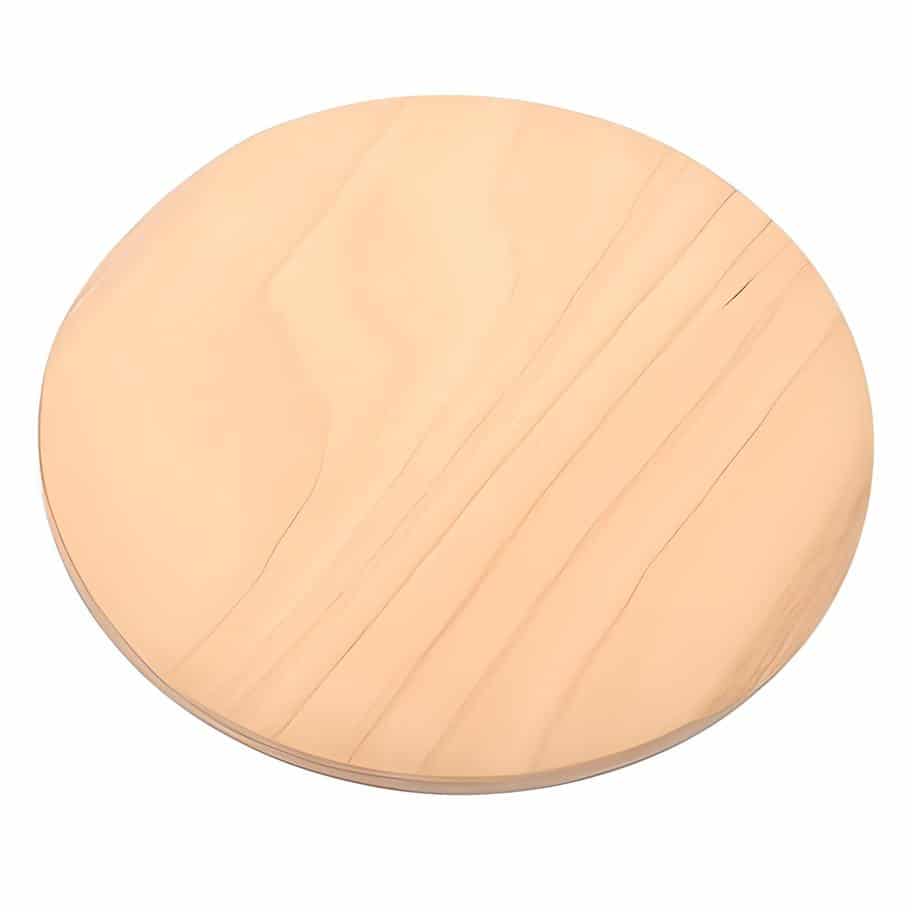
Choosing between MDF and melamine for mould building is a key step in creating a wood and resin table. Both have practical advantages, so understanding their properties can help you select the best option for your project.
MDF for Resin Moulds: Pros, Cons and Preparation
MDF (medium-density fibreboard) provides a solid and sturdy structure for moulds, making it a common choice for large resin casting projects. However, raw MDF is porous and can bond with resin, making demoulding difficult. To prevent sticking, you must completely line MDF with a protective layer—tape, release film, or even a speciality non-stick sheet. Make sure all edges and corners are thoroughly sealed to prevent leaks and resin adhesion.
- Sturdy and dimensionally stable for flat surfaces
- Requires full coverage with tape or release film to avoid bonding
- Simple to cut to custom sizes for bespoke projects
If you’re seeking a reliable MDF base for your resin project, consider the MDF Board Base for Epoxy Resin Table and Art Projects for your formwork.
Melamine Boards: Effortlessly Non-Stick
Melamine-faced boards are a popular alternative because the coated surface is naturally resistant to resin adhesion. There’s less preparation involved—simply build your mould and seal the joins with silicone. The main limitation is that melamine can chip or swell with excess moisture or rough handling, so work carefully and double-check all edges are watertight. Melamine makes removing cured pieces easy, with minimal clean-up or risk of damage.
- Ready-to-use non-stick surface for most resins
- Easier demoulding for complex shapes
- Seal joints thoroughly to avoid leaks
When Does the Choice Matter Most?
If you’re after a quick build and easy release, melamine offers a time-saving edge. For heavy or intricate projects that need extra stability, MDF is often preferred—just remember the extra preparation. Whichever you pick, proper sealing and careful assembly are essential to good results.
Related products
Related guides
Whether you opt for MDF or melamine, thoughtful preparation of your mould is a foundation for a successful wood and resin table. For more guidance and a full overview of table mould creation, see our main guide: how to create a mould for a wood and resin table.