 Free shipping on orders over £29,85
  Shipping Tracking!


 Google
 Facebook
how to create a mould for a wood and resin table
Step-by-step guide for reliable table mould building at home
Building a mould for a wood and resin table is a foundational step towards achieving a professional and flawless final piece. Whether you are making a river table or a unique hybrid design, the accuracy and seal of your mould will directly impact the results. This guide explains, in detail, how you can construct a reliable mould that ensures clean edges, correct form, and minimal hassle during demoulding.
What You’ll Need
- MDF Board Base for Epoxy Resin Table and Art Projects – for a stable and flat surface.
- Suitable side barriers (MDF strips, melamine boards, or similar).
- Wood screws and/or strong tape for assembly.
- Measuring tape, pencil, and saw (if custom-sizing barriers).
- Silicone sealant for waterproofing joins.
- Release agent, release tape, or specialist release film.
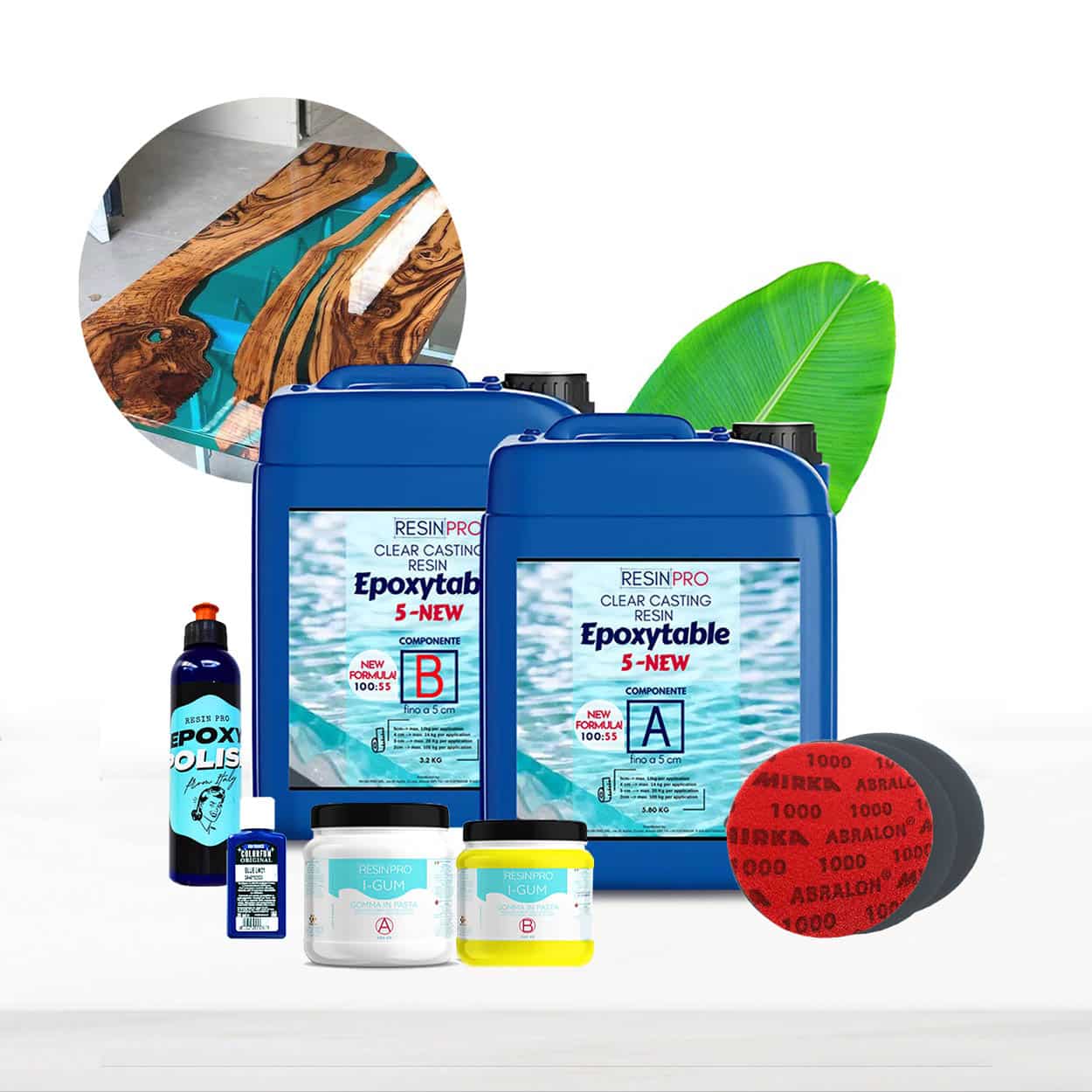
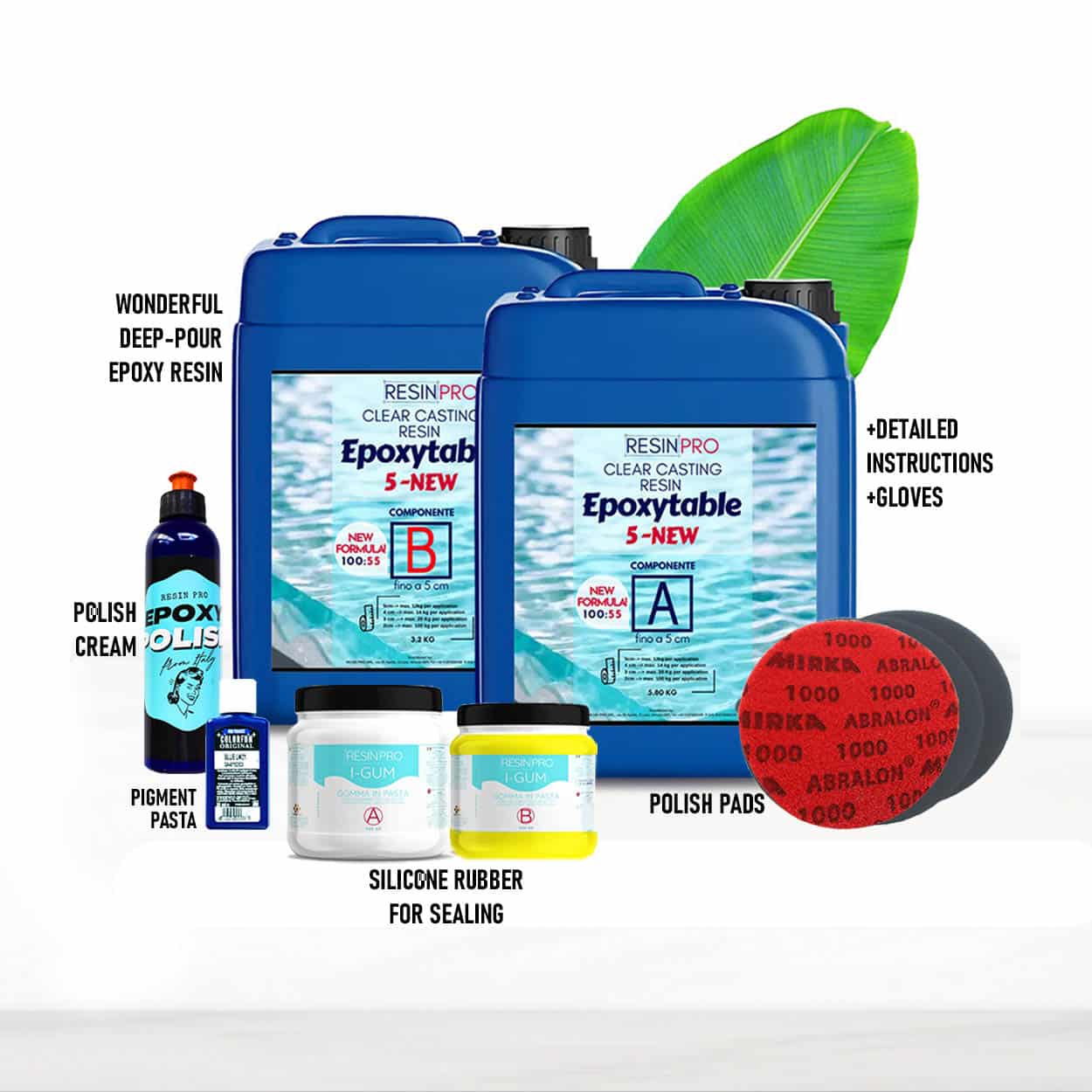
- “River-Table” – Complete Kit for Creating Your First Epoxy Resin Table (optional all-in-one solution for resin works and formwork supplies).

Key Materials for Mould Building
Choosing the right base and barriers is critical for successful resin table moulds. An MDF Board Base for Epoxy Resin Table and Art Projects offers the flatness and rigidity needed for large table projects. When paired with proper sealant and a release film, you ensure both a leak-proof assembly and effortless demoulding once your masterpiece is set.
Step 1: Measure and Prepare the Base
Begin by determining the desired size of your wood and resin table. Accurate measurements will ensure that the mould accommodates both your wood slab(s) and the resin pour, allowing for a neat finish and easy demould. Use a sturdy, flat base board to prevent warping under the heavy weight of resin; an MDF Board Base for Epoxy Resin Table and Art Projects is ideal because of its stability and smoothness. Mark out the table outline clearly with a pencil and ensure the board is dust-free before proceeding.
Step 2: Create and Secure Side Barriers
Side barriers determine the height and perimeter of your pour. Cut melamine or MDF strips to match your drawn dimensions, matching the intended resin thickness plus several millimetres allowance. If using raw MDF, wrap it in a release tape or film to help with demoulding later. Attach the strips perpendicularly to the baseboard using wood screws and/or strong tape, ensuring tight, straight corners. Quality assembly at this stage will help you avoid leaks and maintain form accuracy throughout casting.
Step 3: Seal All Joints Thoroughly
Any gap between the baseboard and side barriers, no matter how small, can cause resin leaks. Apply a consistent bead of silicone sealant to avoid leaks, spreading it evenly along all seams and smoothing with a gloved finger or spatula. Silicone inside the “River-Table” – Complete Kit for Creating Your First Epoxy Resin Table” provides a purpose-made option for this step. Let the sealant fully cure as per product instructions before moving on.
Step 4: Apply a Release Agent or Film
To make demoulding easy and preserve the surface finish of your cured resin, it’s essential to apply a release agent or film for easy demoulding across all inner faces of your mould. You can use a silicone-based spray, specialist release tape, or a transparent release film as supplied in kits like the River-Table complete kit. Cover every surface that will come in contact with resin, smoothing to remove any wrinkles or bubbles in the protective layer.

Step 5: Test for Leaks and Final Adjustments
Before introducing any wood pieces or resin, it’s important to test for leaks before pouring any resin. Pour a small amount of water into the mould and check for seepage at all corners and seams. If any leaks are found, dry the area thoroughly and reseal with additional silicone. Once the mould passes the leak test, allow it to dry completely. Position your wood slabs inside, ensuring a snug fit before starting your resin pour.
Tips and Troubleshooting for Mould Creation
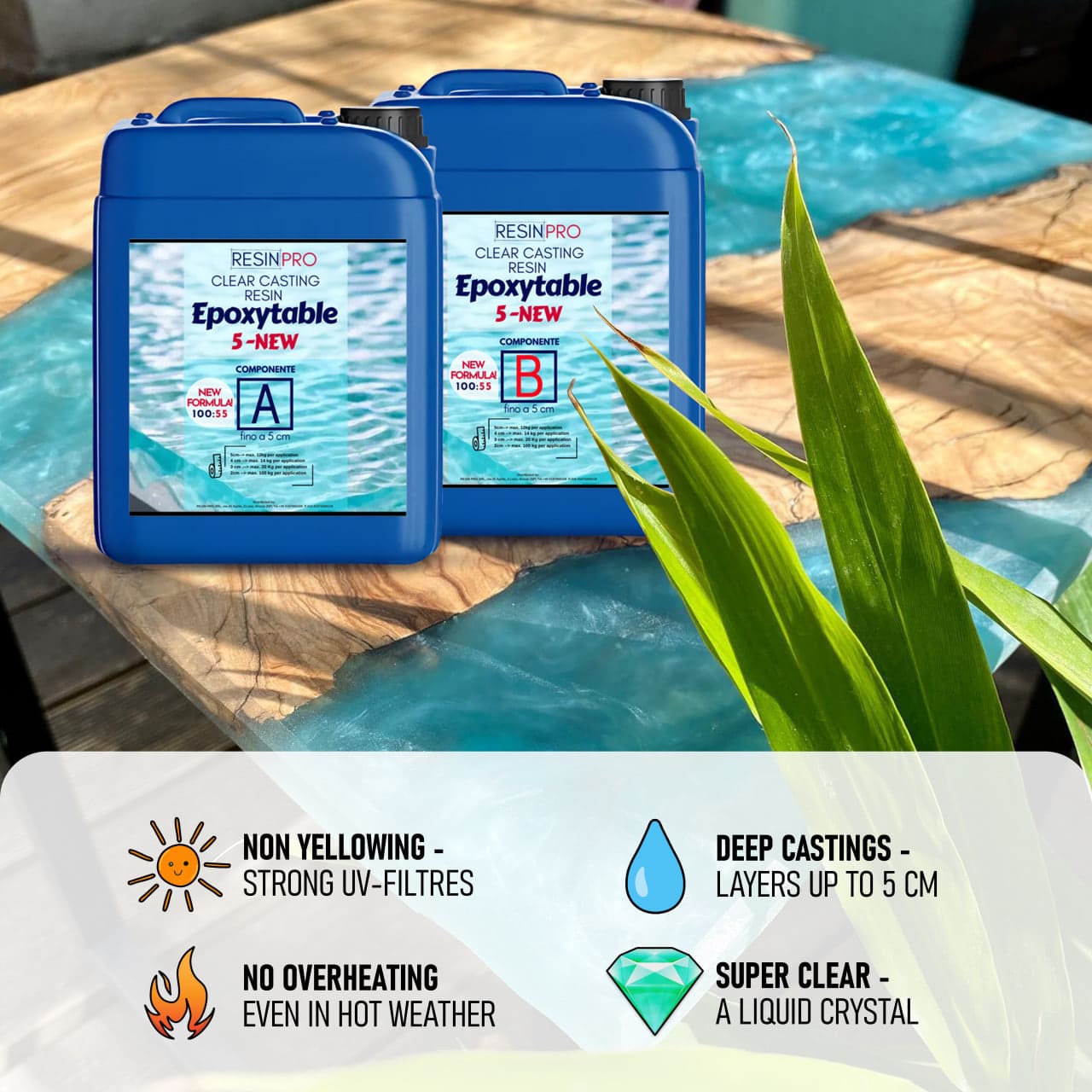
Work in a level area to prevent uneven resin. When using MDF, always use release tape, as raw MDF can bond to cured resin and complicate demoulding. If the mould parts have been used previously, inspect thoroughly for warps or surface damage. Don’t skip the curing time for sealants or the application of release agents; rushing these steps is one of the main causes of leaks or project sticking. For projects involving thick, deep pours, select your resin according to pour depth. For instance, “EpoxyTable 5-Five” – Deep Pour Epoxy Resin for Tables and Large Projects – Up to 5cm is suitable for standard river tables, while “Epoxytable 10-Ten” – Deep Pour Epoxy Resin for Tables, Up to 10cm Casting is a better choice for very deep pours. Invest the time up front for best results!
Top Mistakes to Avoid in Resin Table Moulds
Don’t undermine your effort by rushing assembly or skipping the leak test! Allow sealants to cure fully, and always use a release tape or film to avoid damaged finishes and difficult demoulding. Matching your resin to the intended pour depth protects from overheating and ensures project clarity.

- "River-Table" – Complete Kit for Creating Your First Epoxy Resin TablePrice range: £188.85 through £444.85"River-Table" kit includes materials and instructions for epoxy resin table making, suitable for your theme on mould creation.
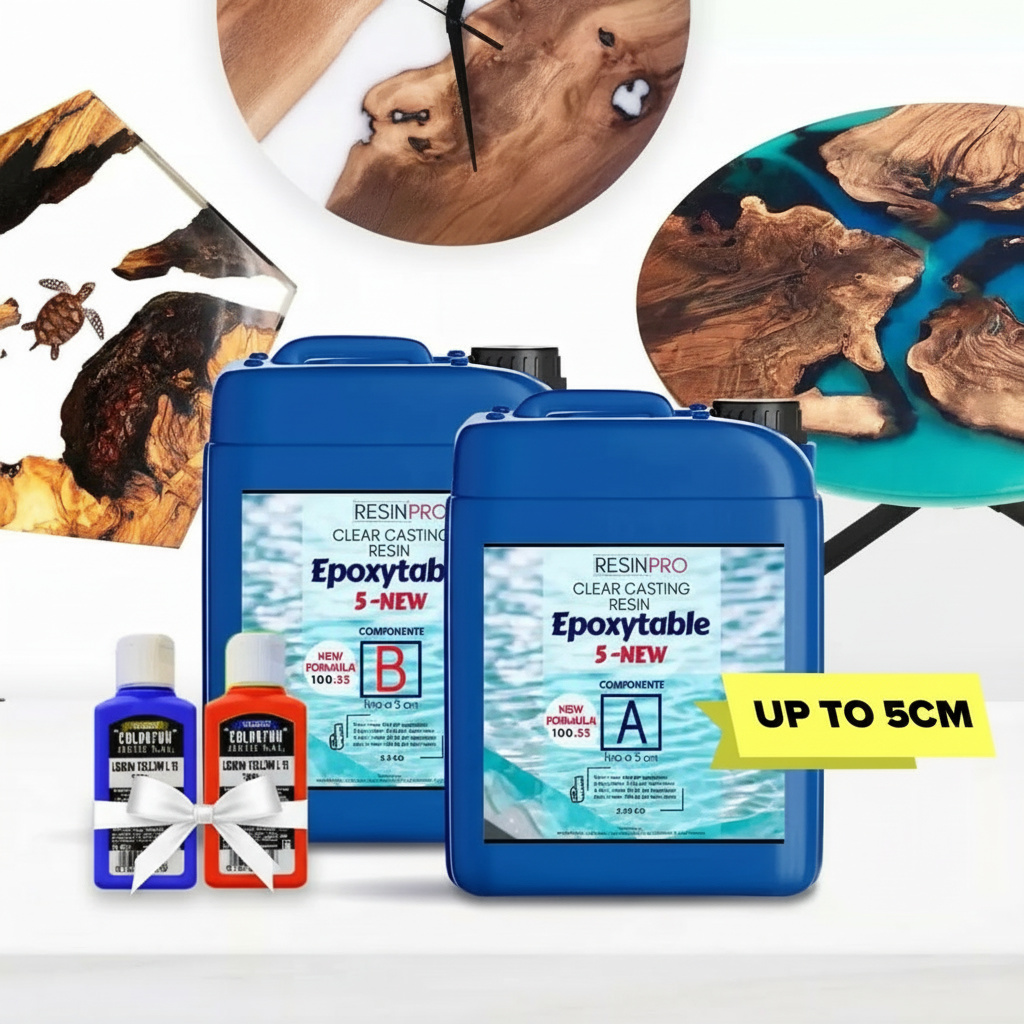 "EpoxyTable 5-Five" – Deep Pour Epoxy Resin for Tables and Large Projects – Up to 5cmPrice range: £16.85 through £1,099.85"EpoxyTable 5-Five" is a deep pour epoxy resin designed for tables and large projects, offering strong UV resistance and a scratch-resistant surface.
 “Epoxytable 10-Ten” – Deep Pour Epoxy Resin for Tables, Up to 10cm CastingPrice range: £33.85 through £334.85“Epoxytable 10-Ten” is designed for deep pour table projects; it suits mould-making methods in wood and resin table creation.
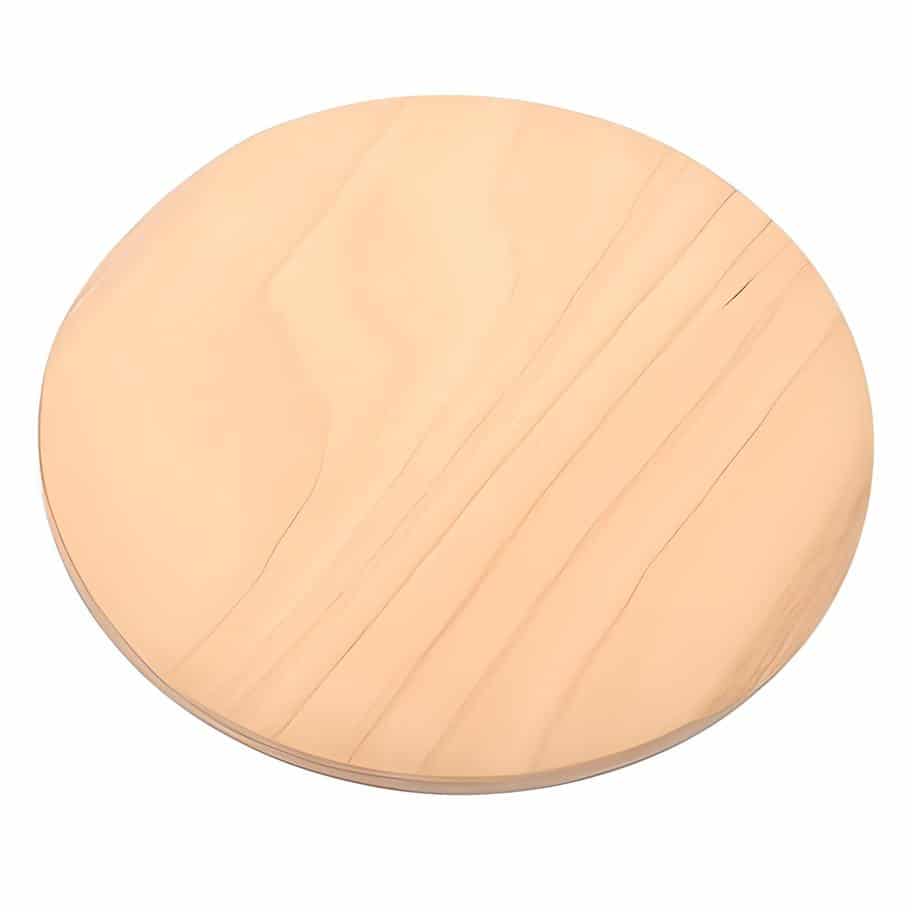 MDF Board Base for Epoxy Resin Table and Art ProjectsOriginal price was: £25.00.£17.85Current price is: £17.85.A sturdy MDF board serving as a stable base for resin tables and art, suitable for various epoxy techniques.
Frequently Asked Questions
Can you reuse a resin table mould?
Yes, if undamaged and properly cleaned. Always reapply a release agent or new film before each new casting.
How do I stop epoxy leaking from my mould?
Seal all seams with silicone and test with water before casting resin. Use sufficient sealant for every joint and edge.
Should I use MDF or melamine for moulds?
Both work well. MDF is sturdy but must be tape-wrapped or protected with a release film. Melamine is naturally non-stick for resin.
Which release agent is best for resin moulds?
Specialist release films, tapes, or silicone sprays ensure the easiest demoulding and the best table surface after curing.
How do I align wood in the mould before pouring resin?
Use spacers or clamps to hold wood slabs in your desired position. Double-check alignment before pouring.
Can I build a curved table mould?
Yes, with flexible barrier materials like HDPE plastic. More complex shapes will require extra care in securing and sealing.