 Free shipping on orders over £29,85
  Shipping Tracking!


 Google
 Facebook
← Back to How to make resin at home?
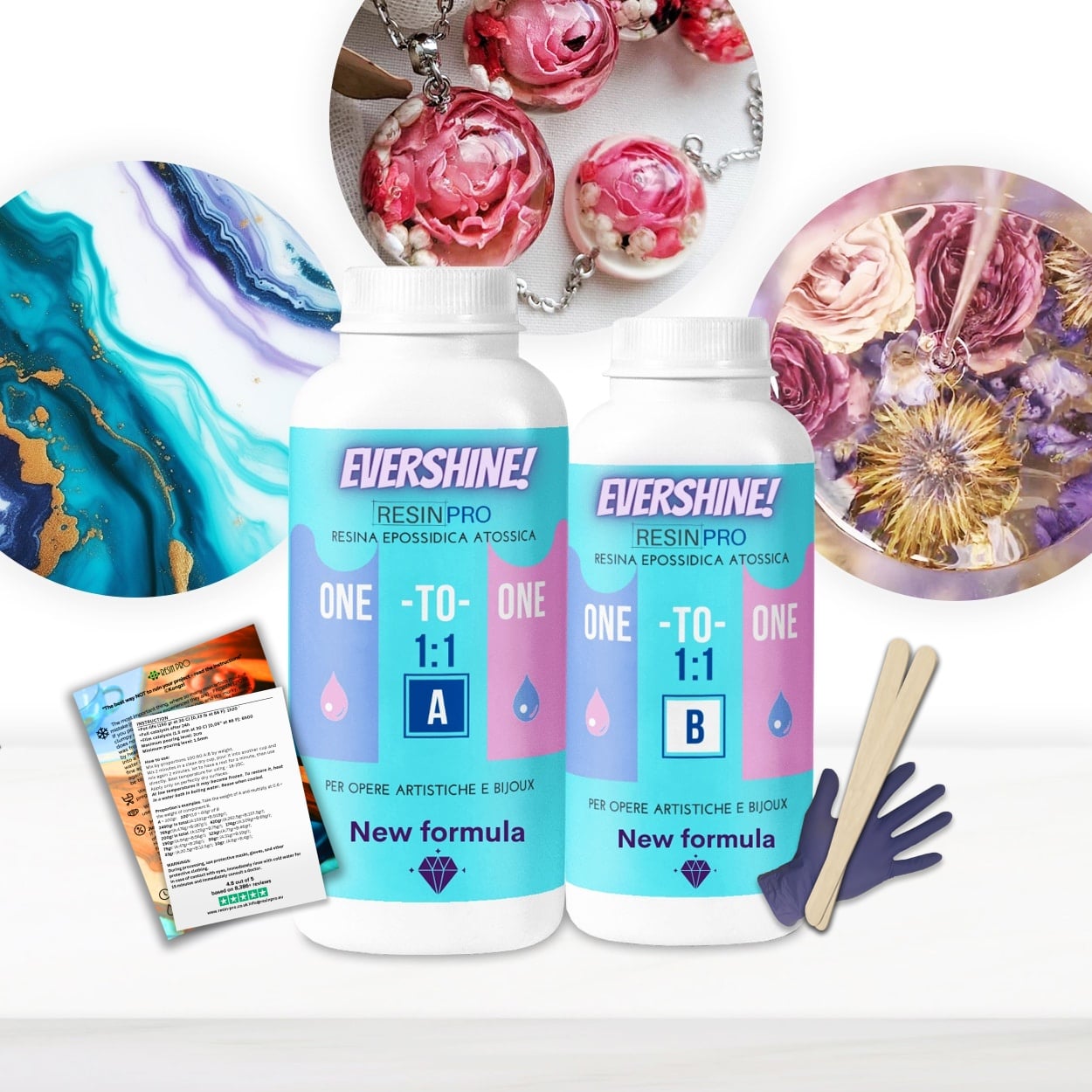
Resin kits can remain usable for a long time if stored correctly, but they do have a shelf life. Proper storage is key to ensuring your next craft is as flawless as your first.
Best Practices for Storing Resin Kits
Always store your resin and hardener bottles tightly sealed in a cool, dry place away from direct sunlight and temperature fluctuations. Exposure to moisture, heat, or extreme cold can reduce the quality and effectiveness of the resin. Ideally, keep bottles upright and in their original containers to prevent leaks and contamination.
Knowing When Resin Expires and What to Do
Resin kits typically include a recommended expiry date, often printed on the packaging. Beyond this date, the resin may yellow, thicken, or not cure as expected, which can affect the clarity and strength of your projects. If the resin or hardener develops a cloudy appearance, unusual odour, or changes in texture, it’s best to replace the kit.
- Buy in quantities you’ll use within 6–12 months for best results
- Label opened kits with the date to track age
- Follow the supplier’s storage recommendations whenever possible
When Proper Storage Matters Most
Consistent results in jewellery projects and clear castings rely on fresh, well-preserved resin. For example, our One-2-One Epoxy Resin is popular among crafters who want reliable performance batch after batch—something only possible with kits stored and used as directed.
Related products
Related guides
By taking care with how you store resin kits and using them before expiry, you’ll get the best finishes on your crafts at home. For more tips on making resin creations, see our main guide on how to make resin at home.