 Free shipping on orders over £29,85
  Shipping Tracking!


 Google
 Facebook
← Back to How do you catalyse cast synthetic resin?
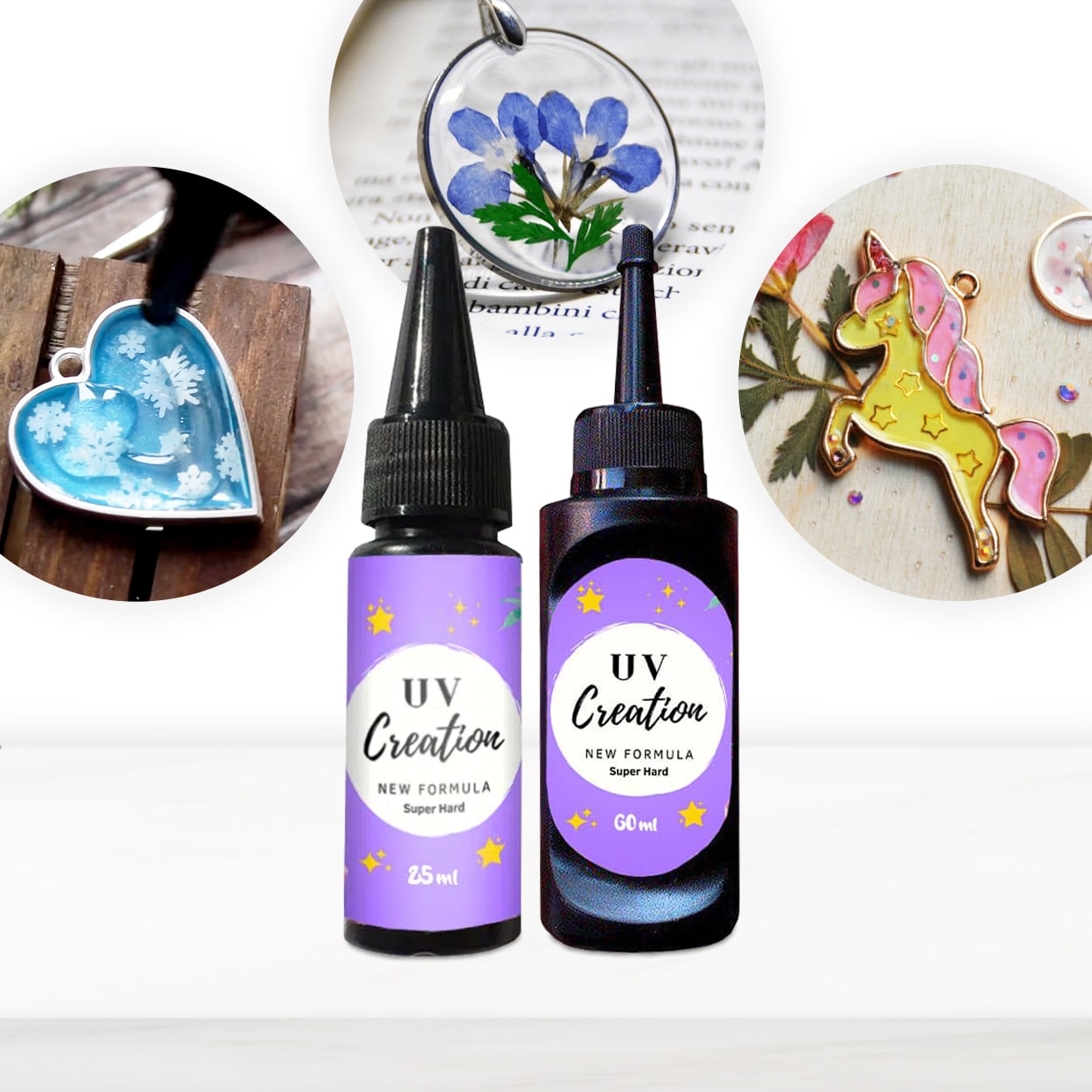
If you’re looking to minimise waiting times in your resin projects, super-fast catalysis is the key. Modern synthetic resins now offer rapid curing options suitable for artists, jewellers, and crafters eager for quicker results without sacrificing quality.
Types of Super-Fast Cure Resins
There are two main approaches for accelerating resin curing: UV-curable resins and fast-set epoxy systems. UV-cured resins, like UV–Creation, use light as a catalyst, often hardening within 2–3 minutes under a suitable lamp. Epoxy systems such as ICreation employ formulated hardeners to speed up the reaction, offering demoulding times as quick as 6 hours and full cures by 12 hours. These products are ideal when tight deadlines or multiple casting cycles are required.
How to Achieve Fast Curing Safely
For UV resins, simply apply the resin to your mould or surface and expose it directly to a UV lamp (365–405 nm) for an instant cure. With fast-cure epoxies, always pay close attention to the recommended mixing ratios, working times, and layer thickness—the fastest formulas often require precise handling to prevent overheating or imperfect finishes. If you’re new to this, choosing user-friendly options like One-2-One epoxy resin provides simple 1:1 mixing by volume and non-toxic handling for beginners.
When This Matters Most
- Craft fairs or events where same-day readiness is necessary
- Quick jewellery production cycles for online shops
- Time-sensitive art commissions and repair scenarios
Related products
Related guides
Fast-curing systems have changed the creative landscape for resin projects, allowing you to focus on detail and efficiency. Explore more approaches to catalysing synthetic resins in our comprehensive cast synthetic resin guide.