 Free shipping on orders over £29,85
  Shipping Tracking!


 Google
 Facebook
← Back to Which resin should be used for concrete?
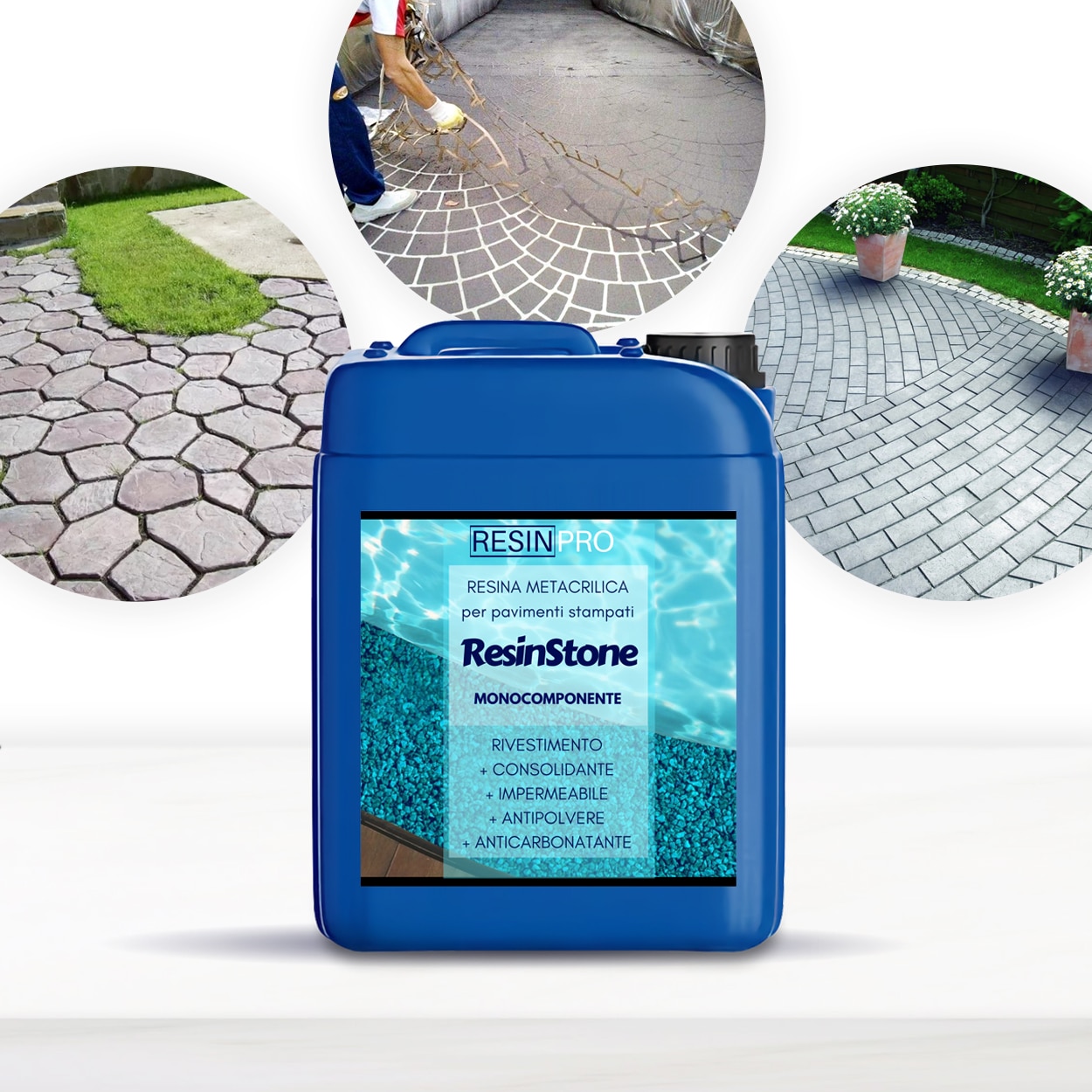

Preparing a concrete surface before applying resin is essential for achieving the best adhesion and lasting results. Whether you’re sealing, protecting or coating concrete, understanding absorption and proper surface prep sets the foundation for a durable finish.
Understanding Surface Absorption in Concrete
Concrete is naturally porous, meaning it readily absorbs liquids when left unsealed. This characteristic can affect how any resin product interacts with the substrate. Highly absorbent concrete allows primers and sealers like Resinstone to penetrate deeply for secure bonding. On less absorbent or already sealed surfaces, different primers or mechanical preparation may be required to ensure proper adhesion.
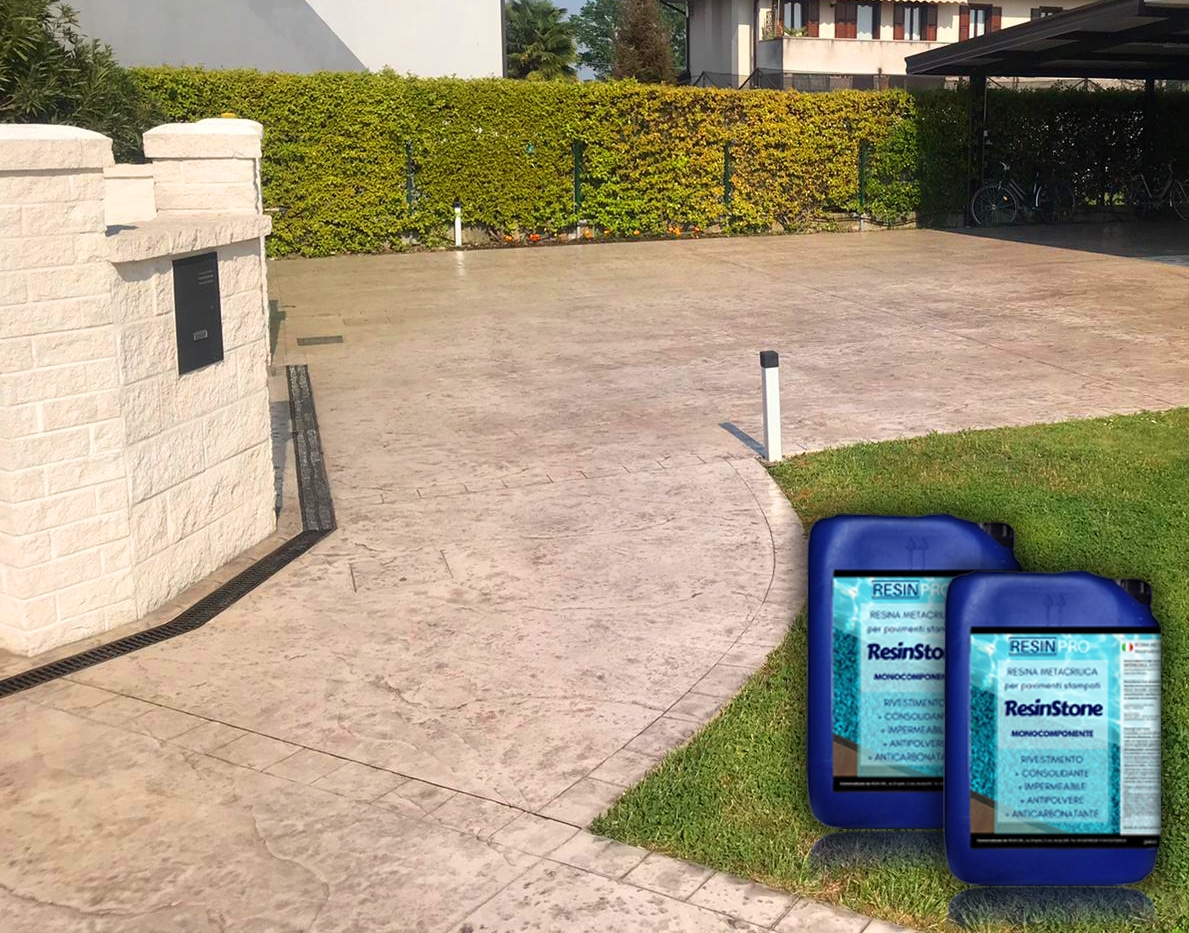
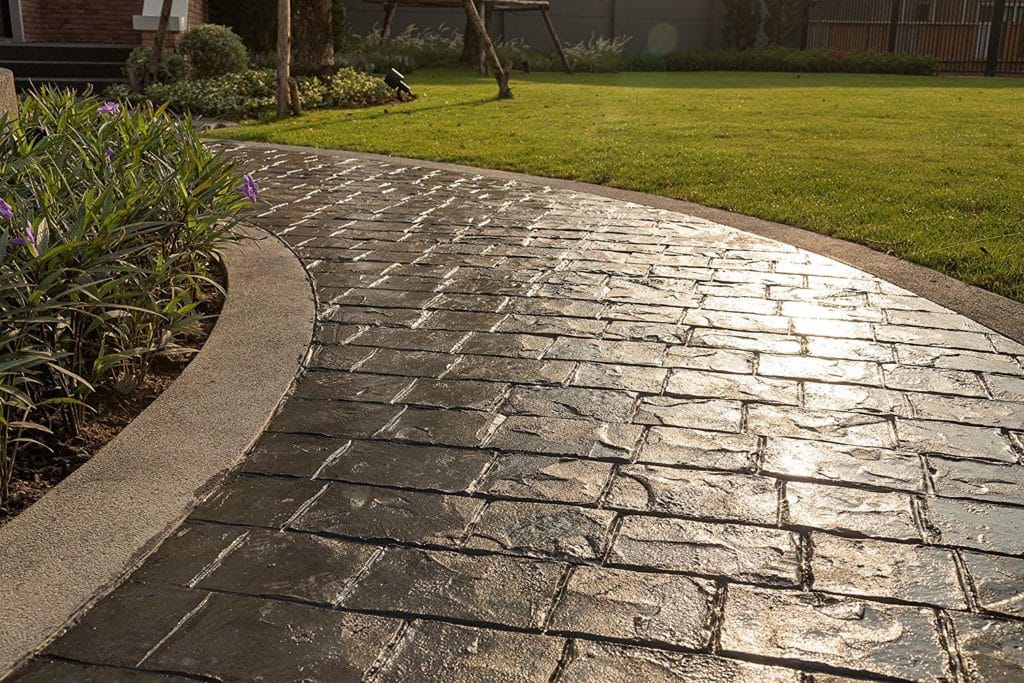
Steps for Surface Preparation
Thorough surface preparation helps avoid issues like poor coating adhesion, uneven finish, or premature wear. Key steps include:
- Cleaning: Remove dust, oil, grease, and debris from the concrete using suitable degreasers or cleaning agents.
- Mechanical preparation: Sanding, grinding, or shot-blasting can remove old coatings and open up the concrete surface for better resin penetration.
- Priming: On bare concrete, a dedicated primer such as Epoxyprimer can improve the bond between the substrate and your chosen resin system.
When Surface Absorption and Preparation Matter Most
Proper absorption and preparation are especially critical for high-traffic zones, exterior driveways, garages, or areas exposed to moisture. Skipping prep can lead to premature flaking or peeling, particularly on surfaces where durability is a must.
Related products
Related guides
By paying attention to surface absorption and careful preparation, you can ensure your chosen resin product delivers its full protective and decorative benefits. For broader guidance on resin selection for concrete, explore our main FAQs on which resin should be used for concrete.