 Free shipping on orders over £29,85
  Shipping Tracking!


 Google
 Facebook
← Back to How to resin a marble staircase?
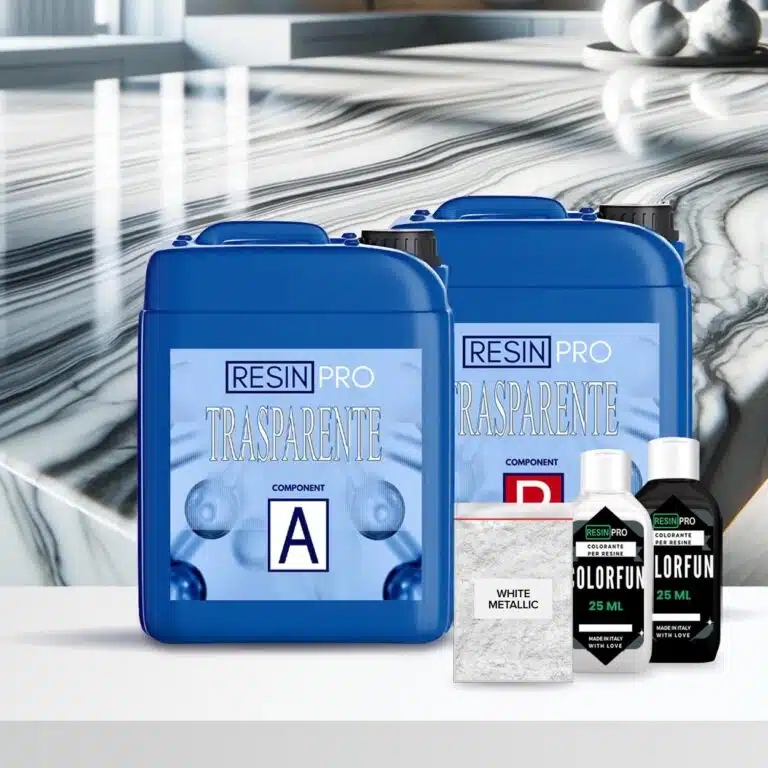
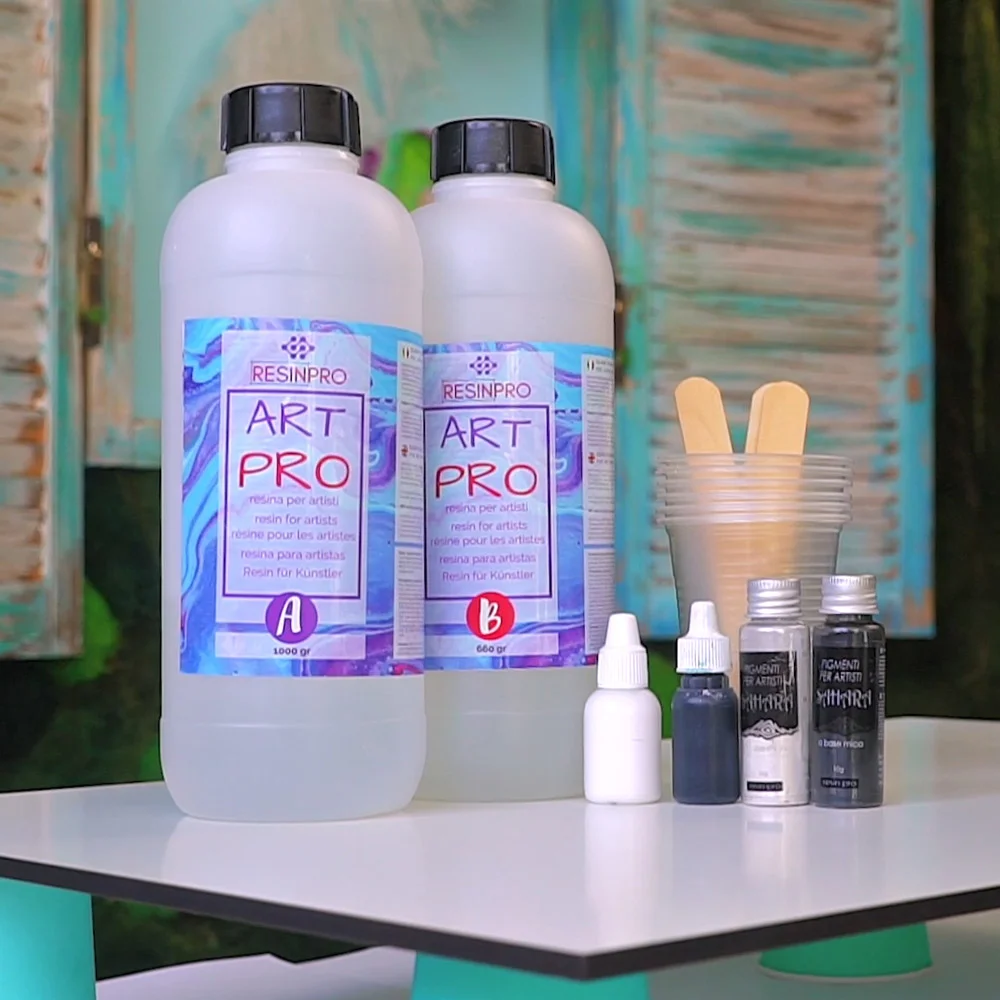
Thorough surface preparation is essential before applying resin to a marble staircase. Proper preparation ensures a strong bond, a flawless appearance, and a finish that stands up to daily use.
1. Deep Cleaning for Optimal Results
Begin by cleaning the marble thoroughly to remove dirt, dust, wax, grease, or lingering care products. Use a gentle pH-neutral stone cleaner and a non-abrasive cloth or pad. Rinse well to eliminate cleaning residues and make sure the surface is completely dry before moving to the next steps—moisture and grime can compromise adhesion.

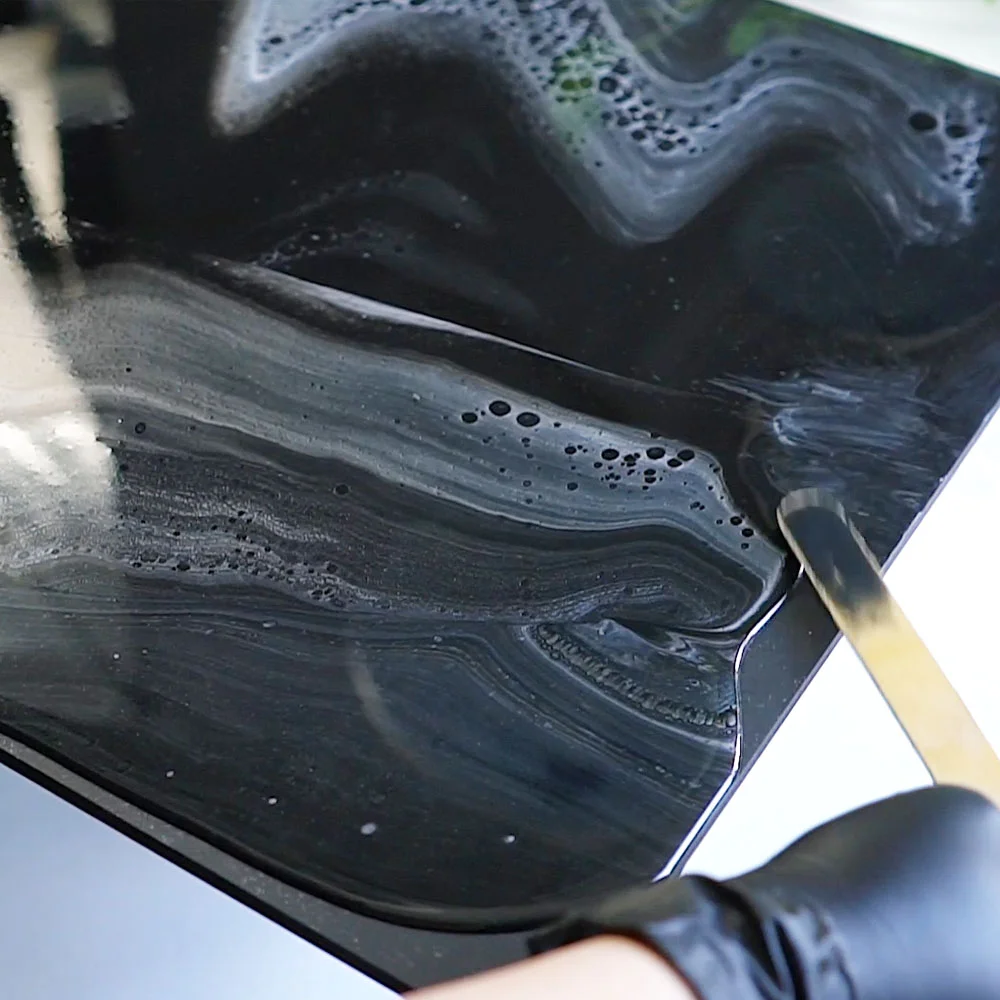
2. Repairing Cracks and Chips
Inspect the marble for any cracks, chips, or gaps. These defects should be filled and stabilised before resin application. For marble, a specialist epoxy mastic is ideal due to its compatibility and strong bond with stone. Follow the product instructions, allowing repairs to cure fully. Once set, lightly sand any mastic flush with the marble surface for a seamless finish.
3. Light Sanding for Improved Adhesion
After cleaning and repairs, sand the marble lightly using fine-grit sandpaper. This gentle abrasion creates a slightly rougher surface, enabling the resin to adhere more securely. Take care to remove the resulting dust with a vacuum or tack cloth—leaving behind a perfectly clean, dry, and even foundation for your chosen epoxy coating.
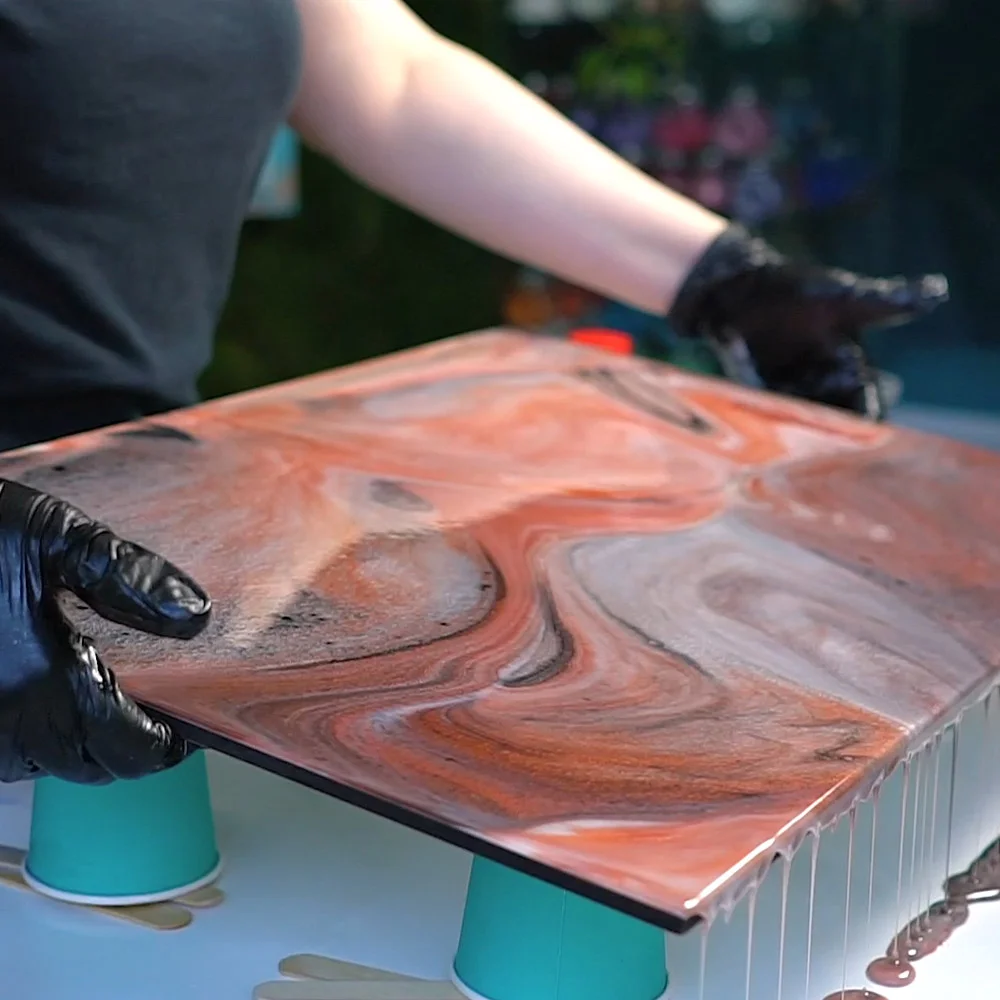
When Attention to Prep Matters Most
Preparation is especially important on staircases, which cope with constant foot traffic and impact. Skipping steps can lead to premature resin failure, unsightly bubbles, or patchy areas.
Related products
Related guides
By investing time in proper surface prep, you’ll get the most out of your marble staircase resin project. For advice on resin selection and detailed application steps, head back to our main guide on how to resin a marble staircase.