 Free shipping on orders over £29,85
  Shipping Tracking!


 Google
 Facebook
← Back to Which epoxy paints are best for boating?
When it comes to using marine epoxy on boats, thorough surface preparation is the key to achieving a reliable, long-lasting bond that truly protects against moisture and wear.
The Role of Surface Prep in Epoxy Adhesion
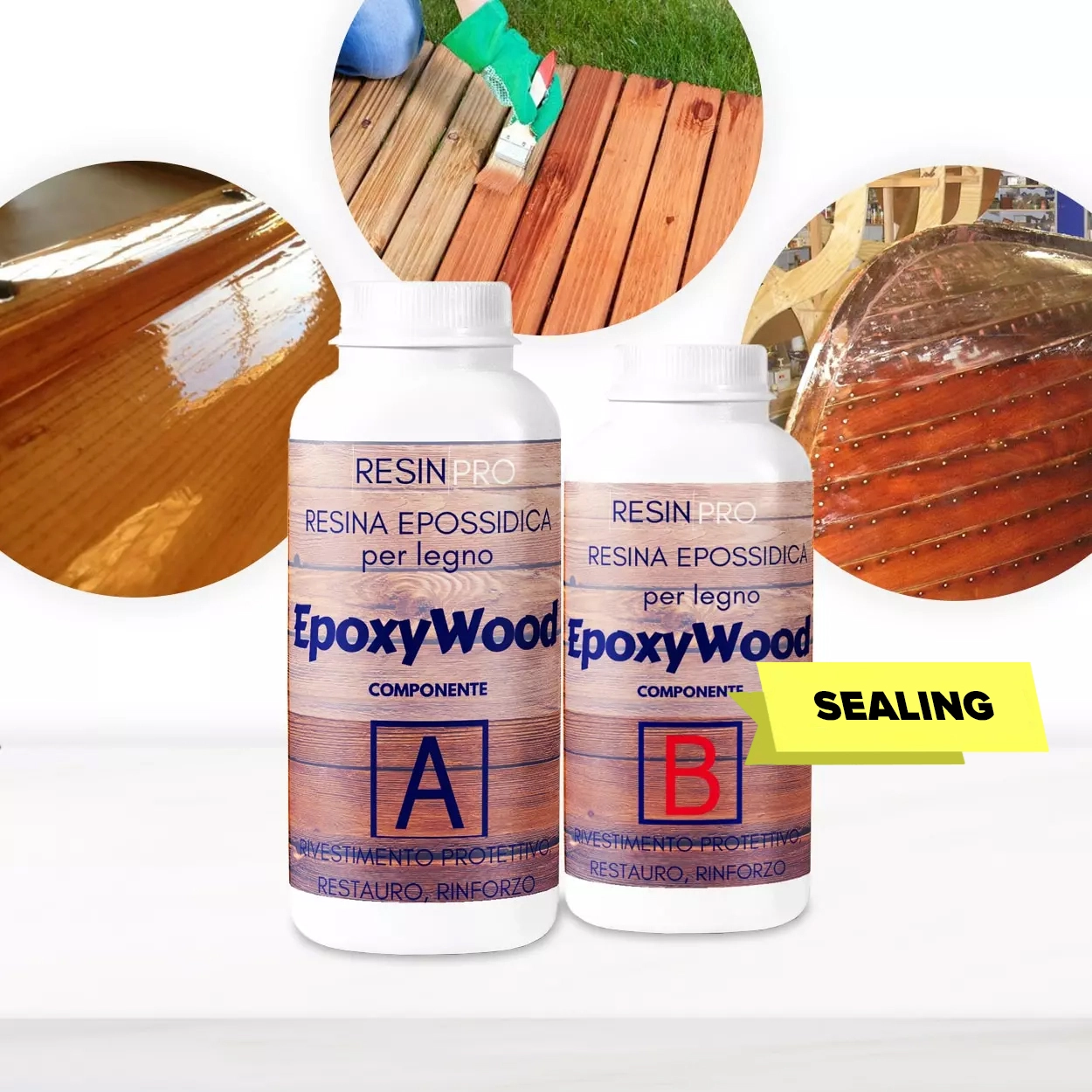
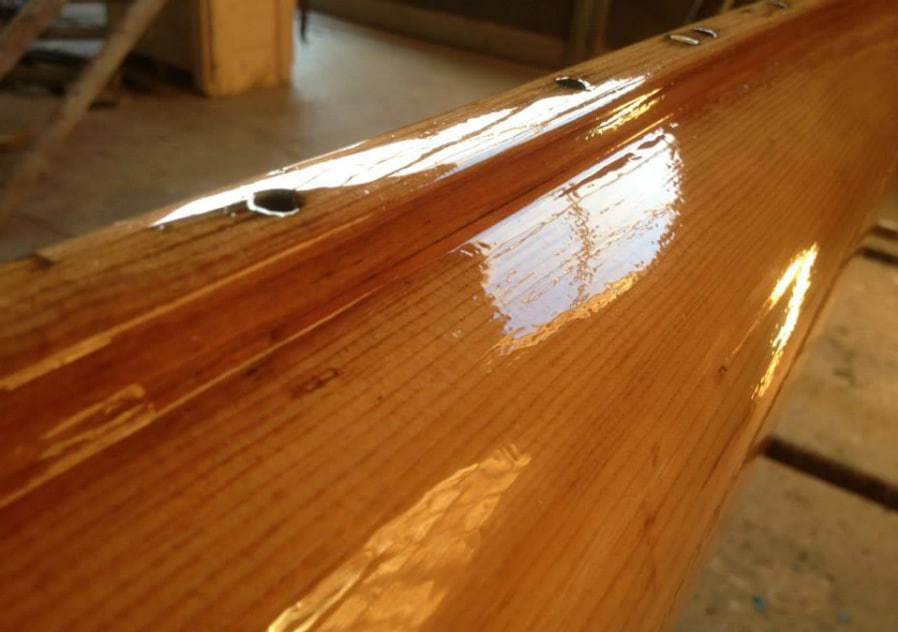
Unprepared or poorly prepared surfaces can reduce the adhesive performance of marine epoxy. Contaminants like dust, grease, or old finishes form barriers that prevent strong bonding. Proper prep—typically involving cleaning, sanding, and drying—ensures the epoxy resin can penetrate efficiently, resulting in a more durable, waterproof seal. For wood restoration, a product such as EpoxyWood will only reach its full potential if the surface is perfectly dry and sanded before application.


Steps for Effective Preparation
- Clean: Remove dirt, oil, and previous coatings. Use a degreaser or solvent if needed.
- Sand: Sand the surface to establish a profile for the epoxy to grip. Dust off thoroughly.
- Dry: Ensure your substrate—wood, fibreglass, or metal—is absolutely dry, as epoxy will not adhere well to damp surfaces.
Primers, like Epoxyprimer, can help by stabilising surfaces and further enhancing epoxy adhesion, especially on challenging materials.
When This Matters Most
Thorough surface prep is crucial in high-moisture or submerged environments—such as hulls, decks, or bilges—where adhesion failures can lead to costly repairs. It’s equally important for surfaces subject to repeated exposure or abrasion. Investing extra time in prep is a small effort compared to the longevity and protection you gain.
Related products
Related guides
Solid surface preparation is at the heart of every successful marine epoxy project. To learn more about selecting suitable epoxy paints for your boat, visit our main guide on the best epoxy paints for boating.