 Free shipping on orders over £29,85
  Shipping Tracking!


 Google
 Facebook
← Back to How do you anchor rebar with epoxy resins?
Achieving a secure and durable bond when anchoring rebar with epoxy resins depends greatly on how well you prepare the surfaces involved. Proper cleaning of both the hole and rebar is essential for reliable performance.
Why Clean Surfaces Are Essential
Even the highest quality epoxy resins cannot compensate for a poorly prepared surface. Particles such as dust, oils, loose rust, and debris act as barriers, reducing the adhesive’s ability to bond tightly to the substrate. As a result, skipping or rushing surface preparation can dramatically weaken the final fix and may cause premature failure of the anchoring system.
Practical Steps for Surface Preparation
- Drill the Hole Precisely: Ensure the hole is sized correctly for the rebar and epoxy selected.
- Remove Dust and Debris: Clean out the hole thoroughly with compressed air and a brush. Residue left behind can severely weaken the bond.
- De-grease and De-rust: Wipe the rebar with a suitable cleaner to remove any oils or rust. For tough residues, a wire brush will improve adhesion.
- Dry Completely: The surfaces should be free of moisture before applying epoxy, as water can interfere with curing and bonding.
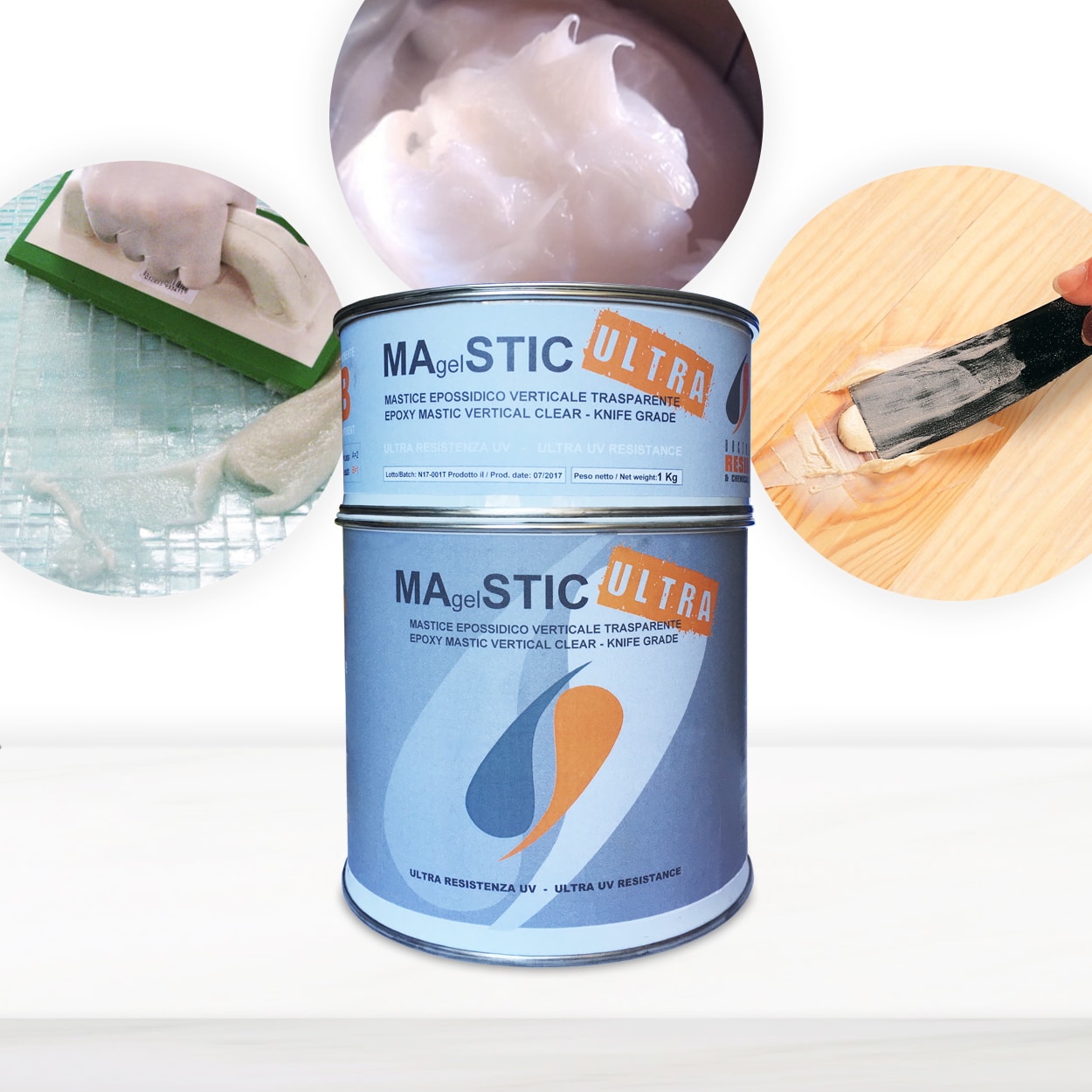
For stone, metal, and cement surfaces, a specialised product like “Magelstick” Epoxy Mastic can enhance sealing and bonding in challenging conditions.
When This Matters Most
Surface preparation is especially critical in structural and load-bearing applications where the integrity and safety of the anchor cannot be compromised. Environments exposed to vibration, weather, or heavy use require absolute reliability, making thorough preparation essential.
Related products
Related guides
Proper surface preparation is the foundation of strong rebar anchoring with epoxy resins. Attention to cleanliness and detail will ensure your anchoring projects stand the test of time. For more in-depth advice or recommended bonding products, explore our main guide on anchoring rebar with epoxy resins.