 Free shipping on orders over £29,85
  Shipping Tracking!


 Google
 Facebook
← Back to How much catalyst to use in polyester resin?

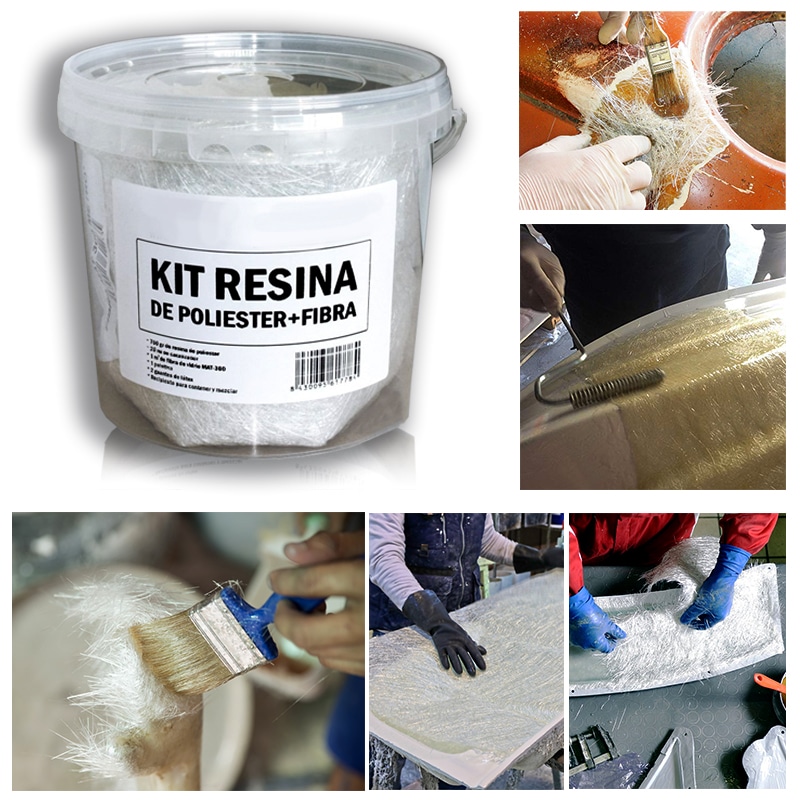
Proper surface preparation is a crucial step when working with polyester resin, whether you’re repairing a boat, car, or pool. Taking the time to do this ensures maximum adhesion and a long-lasting repair.
Why Cleaning and Drying Matter
Smooth application and a reliable bond depend on a surface being free of moisture, dirt, oils, and old paint. Any contaminant can affect how well the polyester resin adheres, potentially causing peeling or weak spots once cured. Always wipe or wash away debris and allow the area to dry thoroughly before starting your repair.
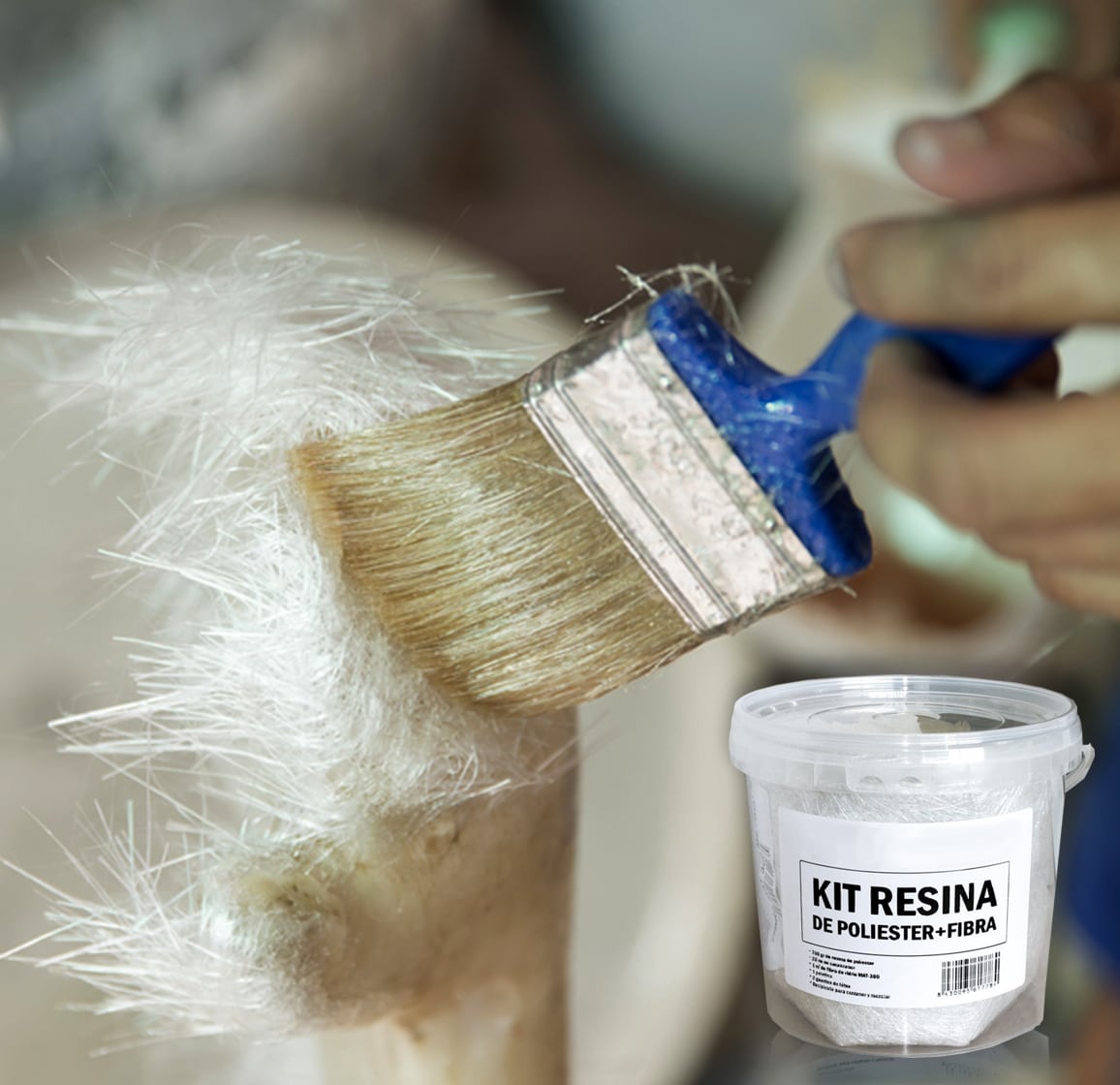
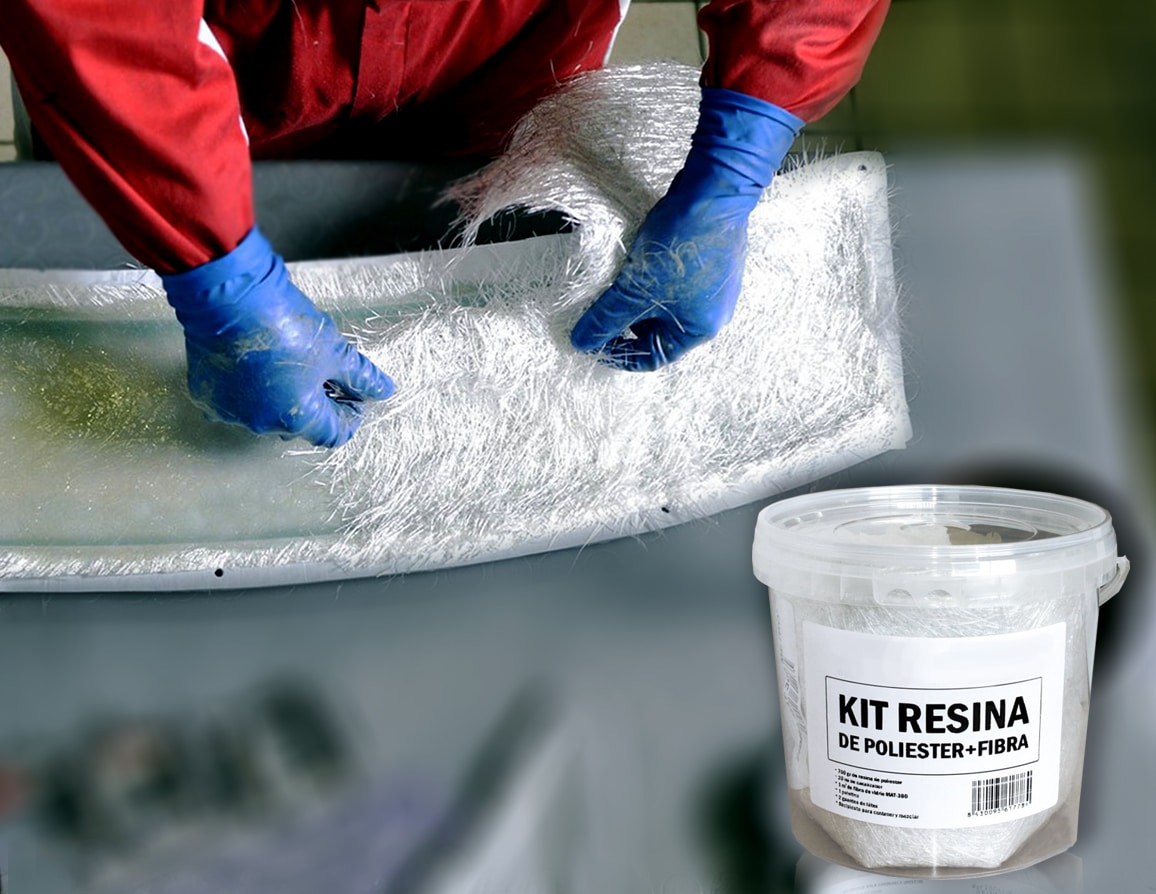
Step-by-Step Surface Preparation
- Remove contaminants: Use a mild detergent and clean water to wash away grease, dust, and residues.
- Dry thoroughly: Moisture trapped under the resin can interfere with curing and bond strength. Let the surface air dry fully or assist with a clean cloth.
- Lightly abrade: For glossy or smooth substrates (such as metal or rigid plastics), gently sand the area to create a slightly rough finish—this helps the resin grip securely.
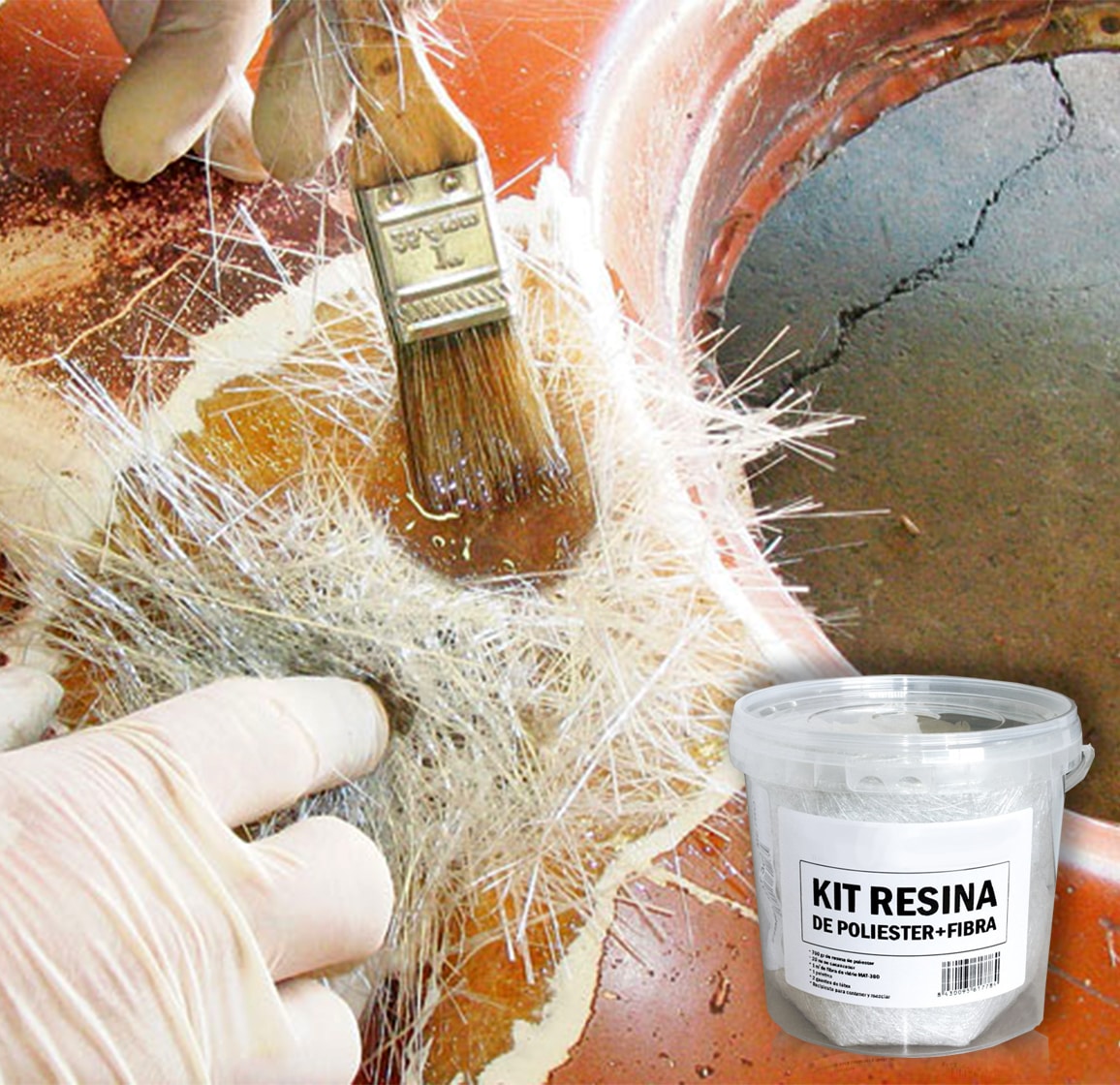
Once prepped, you can follow the straightforward instructions found in the Resin Fibreglass Repair Kit – Complete Polyester Resin and Hardener Set for best results.
When Meticulous Prep Makes a Difference
Proper preparation is especially vital for repairs in wet or structural environments, like pools and boats. Ensuring every step is followed reduces the risk of water ingress and ensures repairs last, even under pressure or vibration.
Related products
Related guides
Taking care with your preparation supports the effectiveness of any polyester repair. For more detailed advice on resin use and catalyst ratios, see our main guide on how much catalyst to use in polyester resin.