 Free shipping on orders over £29,85
  Shipping Tracking!


 Google
 Facebook
← Back to Which resin bound gravel is best for pathways?
Achieving a long-lasting, attractive resin bound gravel path starts with careful surface preparation. Proper groundwork enhances adhesion, prevents moisture problems, and ensures the pathway will stand the test of time.
Ensure Sub-Base Stability and Cleanliness
A solid, stable foundation is crucial. For resin bound gravel pathways, a concrete sub-base is typically preferred. First, check that the concrete is sound and levelled—free from cracks or loose sections. Clean away dirt, debris, oil, and any residues using a stiff brush and water. A clean, dry surface prevents contaminants compromising the bond between gravel and resin.
Priming the Surface for Maximum Adhesion
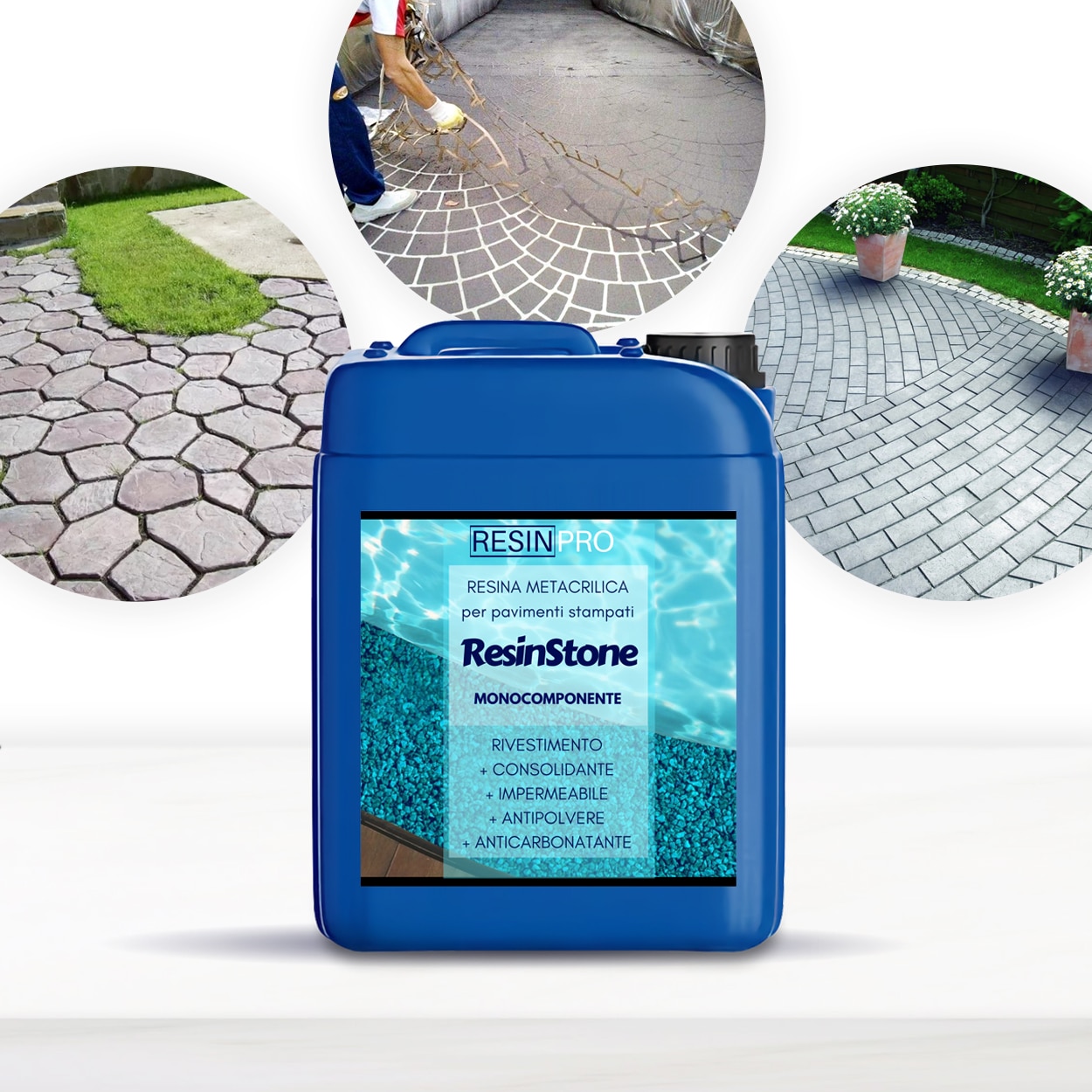
Priming or sealing your concrete before resin installation is highly recommended. Applying a quality primer such as “Resinstone” One-Component Methacrylic Resin helps close pores, limiting moisture ingress and significantly boosting the adhesion of the resin layer. Once applied, allow the primer to dry fully as per product instructions before proceeding.
Additional Tips for Application
- Check weather conditions: Avoid preparing or installing resin on very damp, extremely cold, or humid days.
- Edge management: Use edging strips to define the area and prevent movement during application.
- If laying over existing surfaces, ensure they are well-bonded and not liable to shift or crack under load.
When Surface Preparation Matters Most
Solid preparation is especially important in high-traffic areas and where drainage or frost is a concern. Skipping these steps can lead to early pathway failure, moisture-related issues, and reduced appearance over time.
Related products
Related guides
By taking time to properly prepare your pathway base, you set the stage for a successful resin bound gravel installation. Take these steps before choosing your ideal pathway system—find more guidance on selecting the best resin bound gravel for your project at our main hub page.