 Free shipping on orders over £29,85
  Shipping Tracking!


 Google
 Facebook
← Back to How to Renovate the Bathroom with Resin?
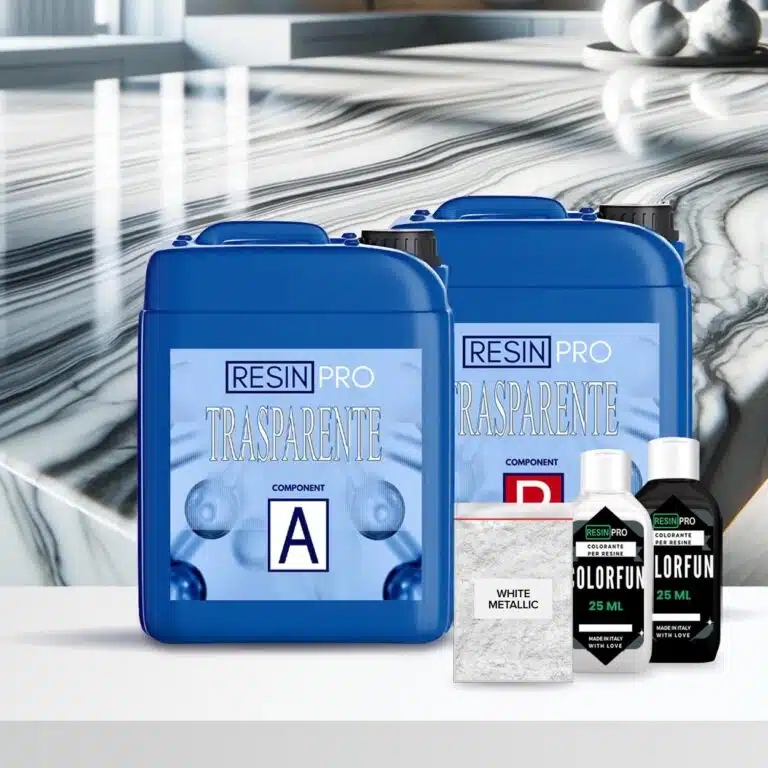
Achieving a resilient and beautiful resin finish in your bathroom starts long before you open the resin tin. Preparation is absolutely vital, as it ensures the new surface bonds well and stands up to daily use.
Why Preparation Makes All the Difference
Resin coatings rely on a well-prepared surface for strong adhesion and a seamless look. Any leftover grime, dust, or moisture can prevent the resin from sticking, leading to peeling or bubbles down the line. Investing the time to clean, sand, and prime will result in a smoother application and a durable, lasting finish. This is essential for high-traffic bathroom areas exposed to water and cleaning products.
Step-by-Step Guidance for Surface Preparation
- Cleaning: Remove all soap scum, dirt, oil, and debris using appropriate cleaners and allow surfaces to dry thoroughly.
- Sanding: Lightly sand the surface to remove gloss or previous coatings. This creates microscopic grooves for resin to grip, especially important for glossy tiles or laminates.
- Priming: For certain surfaces, applying a compatible primer boosts adhesion and prevents issues like delamination. Always follow the resin kit’s instructions, such as those included with the Stone Effect Collection – Marble Epoxy Resin Countertop Kit.
- Repairs: Fill cracks and holes, and ensure the base is level to avoid uneven resin coverage.
When This Matters
Proper preparation is especially important on older worktops, tiles, or surfaces exposed to regular moisture and temperature changes. Skipping these steps can lead to early wear, unsightly defects, or the need for costly rework.
Related products
Related guides
By carefully preparing your bathroom surfaces, you set the stage for a beautiful, long-lasting resin renovation. For more guidance on resin transformation projects, see the full guide on how to renovate the bathroom with resin.