 Free shipping on orders over £29,85
  Shipping Tracking!


 Google
 Facebook
← Back to How to Tell Resin from Ivory?
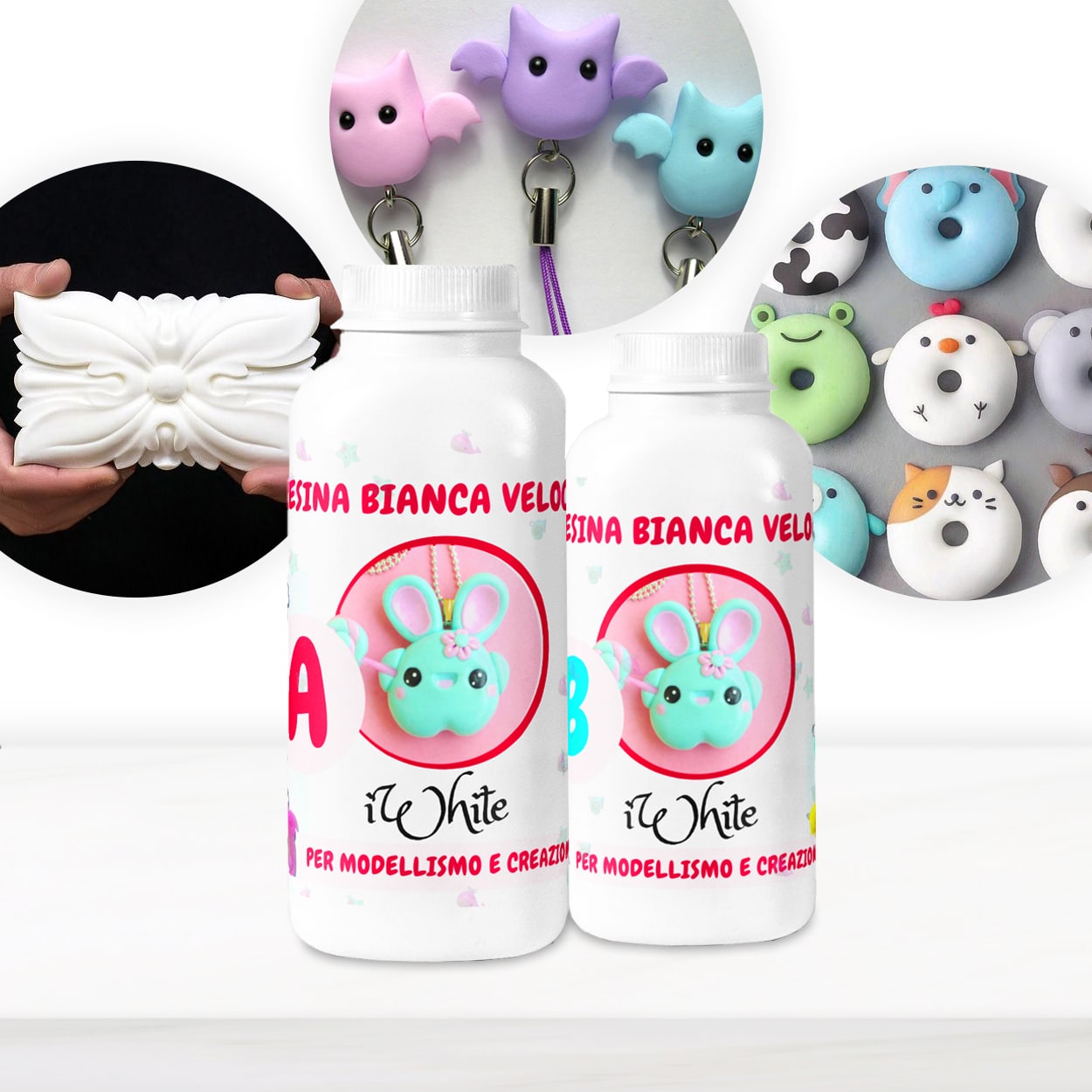

When you need to tell the difference between resin and ivory, examining how an item feels in your hands can provide subtle but important clues. This guide explains key tactile features that help you distinguish between these two materials while handling them.
Surface Texture and Finish
Ivory typically has a natural, slightly grainy or textured surface—sometimes you may even feel gentle ridges or a fine network of cross-hatching if examined closely. Resin, on the other hand, is usually much smoother to the touch. Items cast from products such as “IWhite” Polyurethane Casting Resin will often feel uniformly slick and entirely free of fine natural grain. Polished resin can feel glassy and cold, unlike the gentle warmth of natural ivory. Gently running a fingertip along the surface can help reveal such differences.

Weight and Handling Sensation
Ivory is denser than resin, giving it a solid, heavier feel when placed in your palm compared to objects made of synthetic materials. Resin pieces, unless heavily filled or reinforced, will generally feel lighter than similarly sized ivory. This can especially be noticed in jewellery, small sculptures, or buttons. Pick up both types if possible for a side-by-side comparison—ivory’s weight is often quite distinct.
Temperature and Responsiveness
Resin items often feel chilly or neutral to the touch, as they do not retain warmth easily. In contrast, ivory quickly takes on the warmth of your skin, becoming less cold as you hold it. Briefly holding each object can help you note this difference—ivory tends to become less cool after a moment, while resin generally remains unchanged. This clue is particularly useful with smaller items or beads.
When This Matters
Tactile distinction is especially important for collectors, restorers, and buyers who need to assess authenticity without damaging delicate items. Utilising these basic touch-based clues is a gentle, non-invasive way to help confirm an item’s origin before considering further investigation.
Related products
Related guides
Learning to detect tactile differences is a valuable first step in distinguishing resin from ivory. For a more comprehensive approach—including visual and scientific methods—visit our main guide on how to tell resin from ivory.