 Free shipping on orders over £29,85
  Shipping Tracking!


 Google
 Facebook
← Back to How do you bleach resin?
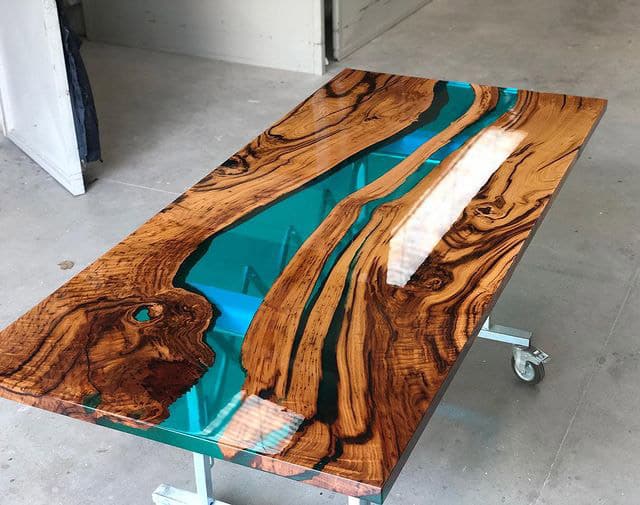
When attempting to brighten or restore resin, particularly with cleaning agents like bleach, it is essential to approach the process with care. Testing on an inconspicuous area first can prevent accidental damage to your finished project.
Why Test Before Cleaning Resin?
Resin surfaces can react unpredictably to cleaning products, especially harsh chemicals or bleach. Since different epoxy formulas and finishes may respond in various ways, some products may dull, cloud, or even discolour under certain cleaning conditions. Testing a small, hidden patch before widespread application ensures you can observe any negative outcomes and avoid spoiling the overall appearance.
How to Perform a Spot Test on Resin
- Choose an area that is normally hidden or less noticeable, such as under a table or on the reverse of an ornament.
- Apply your chosen cleaning solution sparingly, allowing time for the resin to react—monitor the area for changes like discolouration, surface dullness, or residue.
- If cleaning agents are harsh, especially when using products like bleach, rinse thoroughly and check for any effects after drying.
If the resin remains unaffected, it is generally safe to proceed with cleaning the entire surface using the same method.
When This Matters Most
Spot testing is particularly important for projects using clear or coloured resins, such as those made with Icrystal Clear Epoxy Resin. Artistic, decorative, and functional items are all at risk if cleaning methods are not properly pre-tested.
Related products
Related guides
Testing any cleaning approach on an inconspicuous resin area helps protect your creative efforts and materials. For further tips on keeping resin clear and bright, visit our main guide on how to bleach resin.