 Free shipping on orders over £29,85
  Shipping Tracking!


 Google
 Facebook
← Back to How to calculate resin quantity for table coating?
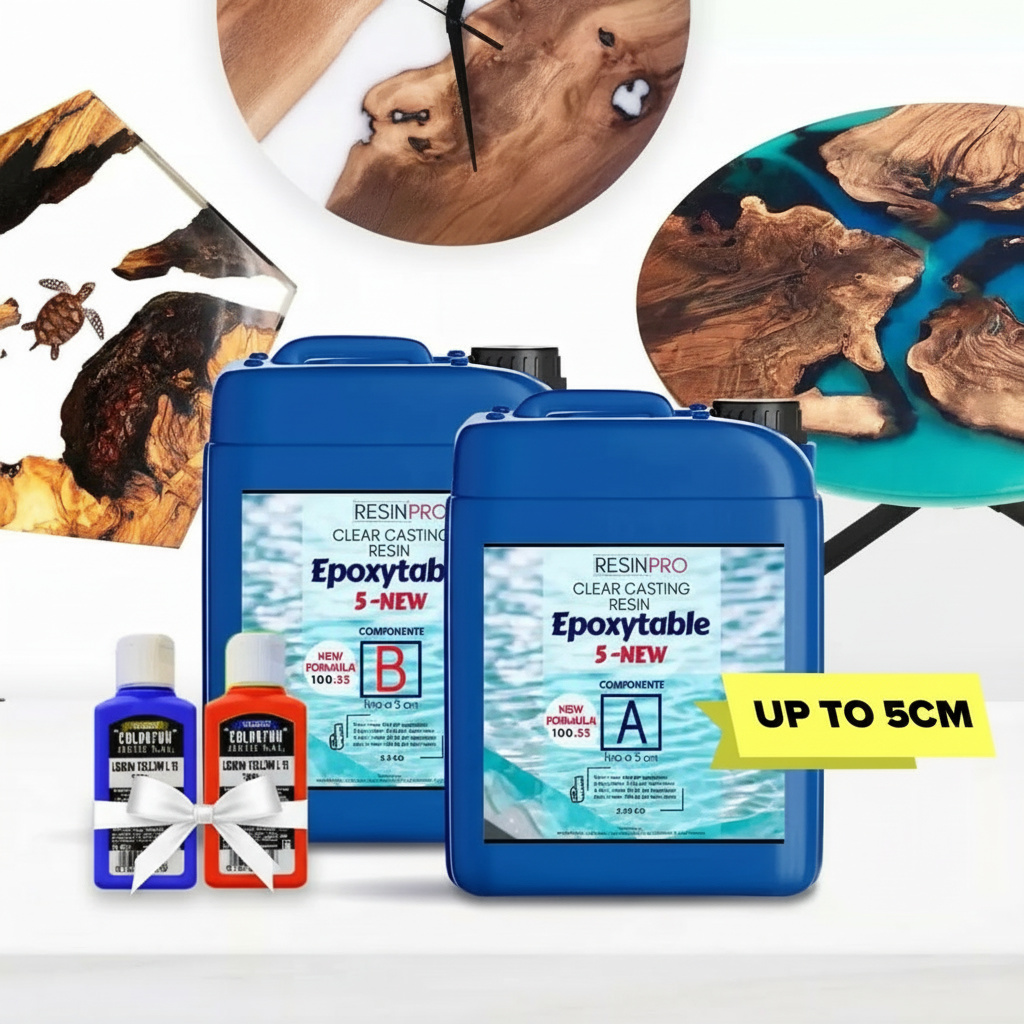
Overheating is a common pitfall when pouring thick layers of resin for table coatings, often leading to defects or failed projects. Using the right approach and products helps you maintain a safe curing process and achieve a flawless finish.
Stick to Recommended Pour Depths
Every epoxy resin has a maximum thickness it can be poured in one go. Exceeding this depth causes the resin to cure too quickly, triggering excessive heat (exotherm) and risking yellowing, cracks, or deformation. For example, EpoxyTable 5-Five can be safely poured up to 5cm per layer. Larger pours should use a staged layering approach, each within the manufacturer’s specified limits.
Allow Proper Cure Time Between Layers
Patience is key for safe, thick resin work. Where multiple layers are needed, let each one reach the recommended level of cure—often 6 to 8 hours—before pouring the next. This staged process reduces internal heat build-up and improves clarity and bonding between layers. Always follow the instructions for your specific resin product.
Choose the Right Resin for the Job
Selecting a resin designed for deep casting further minimises overheating risks. Products such as “Epoxytable 10-Ten” are formulated for even thicker pours (up to 10cm per layer for large projects) and help manage heat efficiently. Beginners may benefit from complete kits like the “River-Table” set, which includes detailed guidance to ensure safer resin application and solid results.
When This Matters Most
- Large tables or river tables requiring deep pours
- Projects in warm environments or with substantial surface areas
- Preventing costly waste, yellowing, or having to redo castings
Related products
Related guides
Understanding how to prevent resin overheating will help you achieve durable, crystal-clear coatings for your table projects. For more tips on resin calculation and table coating, visit our main resin quantity guide.