 Free shipping on orders over £29,85
  Shipping Tracking!


 Google
 Facebook
← Back to How much hardener should be used with penetrating resin?
Dealing with soft or sticky cured resin can be frustrating, especially after putting time into your project. Understanding the underlying causes is essential for achieving a perfect, durable finish.
Common Causes of Soft or Tacky Resin
The leading culprit when resin fails to cure properly is often an incorrect hardener-to-resin ratio. Each epoxy system requires a precise ratio—like 100:55 by weight for products such as Carbon Resin. Using too little hardener delays or halts the curing reaction, leaving your epoxy feeling soft or sticky. Another common issue is insufficient or uneven mixing, potentially causing areas within the batch that won’t fully cure.
How to Prevent Soft or Sticky Epoxy Results
- Measure accurately: Always check the recommended ratio for your specific resin. Use digital scales to weigh both components rather than relying on volume alone.
- Mix thoroughly: Stir slowly but thoroughly for several minutes, ensuring you scrape the sides and bottom of your mixing container. This helps all parts of the resin and hardener combine for a uniform reaction.
- Work within temperature guidelines: Epoxy resins typically cure best at moderate room temperatures. Avoid working in conditions that are too cold or humid, as this can affect the final result.
When This Matters Most
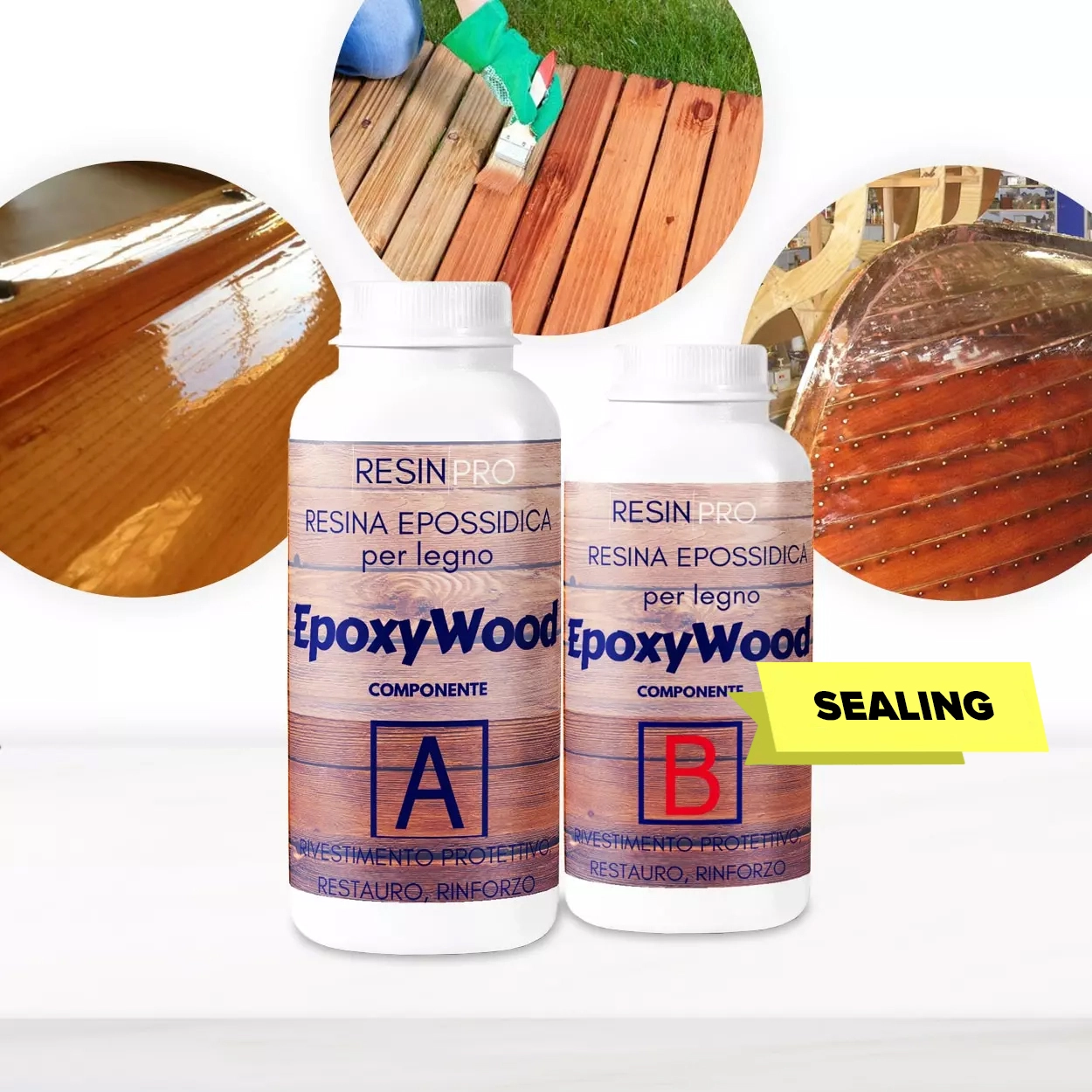
Getting your mixing ratios and method right is crucial for applications that require long-term durability, such as wood restoration with products like EpoxyWood, floor priming, or fibreglass coating. Reliable curing means your project will withstand daily use, moisture, or outdoor conditions as intended.
Related products
Related guides
Paying close attention to accurate measurement and mixing can resolve most issues with soft or sticky epoxy resin. For more tips on working with resins and getting your ratios right, visit our guide on how much hardener should be used with penetrating resin.