 Free shipping on orders over £29,85
  Shipping Tracking!


 Google
 Facebook
← Back to how to make a painting with resin
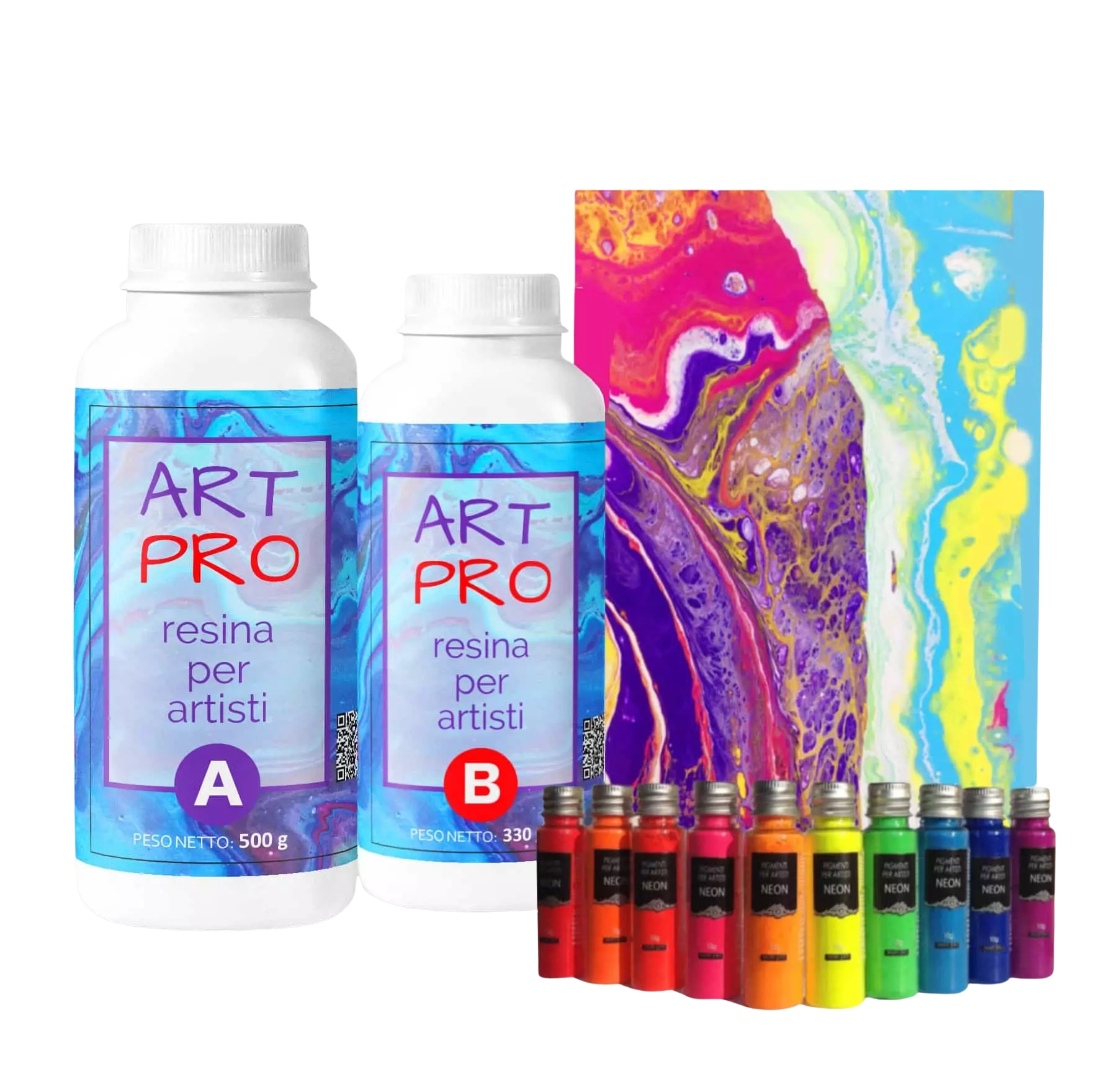
Coming back to your resin painting after a day, only to find it sticky or soft, can be frustrating. If your artwork remains tacky after 24 hours, there are a few common causes—and fortunately, some straightforward solutions.
Common Causes of Sticky Resin Surfaces
The most frequent culprit for sticky or soft resin is incorrect measuring or incomplete mixing. Resin is made from two parts that must be combined at the right ratio—if this isn’t measured properly or if the mixture isn’t fully blended, it can stay tacky even after the expected curing time. Always follow your resin kit’s instructions and mix slowly but thoroughly, scraping sides and bottom of your mixing container to ensure a seamless blend.
How to Avoid Tacky Resin Paintings
Use clean, precise measuring tools for both resin and hardener, and double-check your ratio. For example, the “Raphael Kit” – Pour Paint & Resin Art Set uses a 3:2 ratio; even small errors here can impact curing. Stir the mixture for the recommended time (usually several minutes) and don’t rush—patience is the key to an even, durable finish.
When This Matters Most
Sticky resin is especially problematic when working on layered artwork or if you plan to add additional paint or resin details. A soft surface will not support subsequent pours and can collect dust or fingerprints. For best results, wait until the cured surface is hard and non-tacky before moving forward.
Related products
Related guides
Understanding the causes of soft resin surfaces will help you create professional-looking resin art every time. For more tips and a step-by-step overview, visit our main guide on how to make a painting with resin.