 Free shipping on orders over £29,85
  Shipping Tracking!


 Google
 Facebook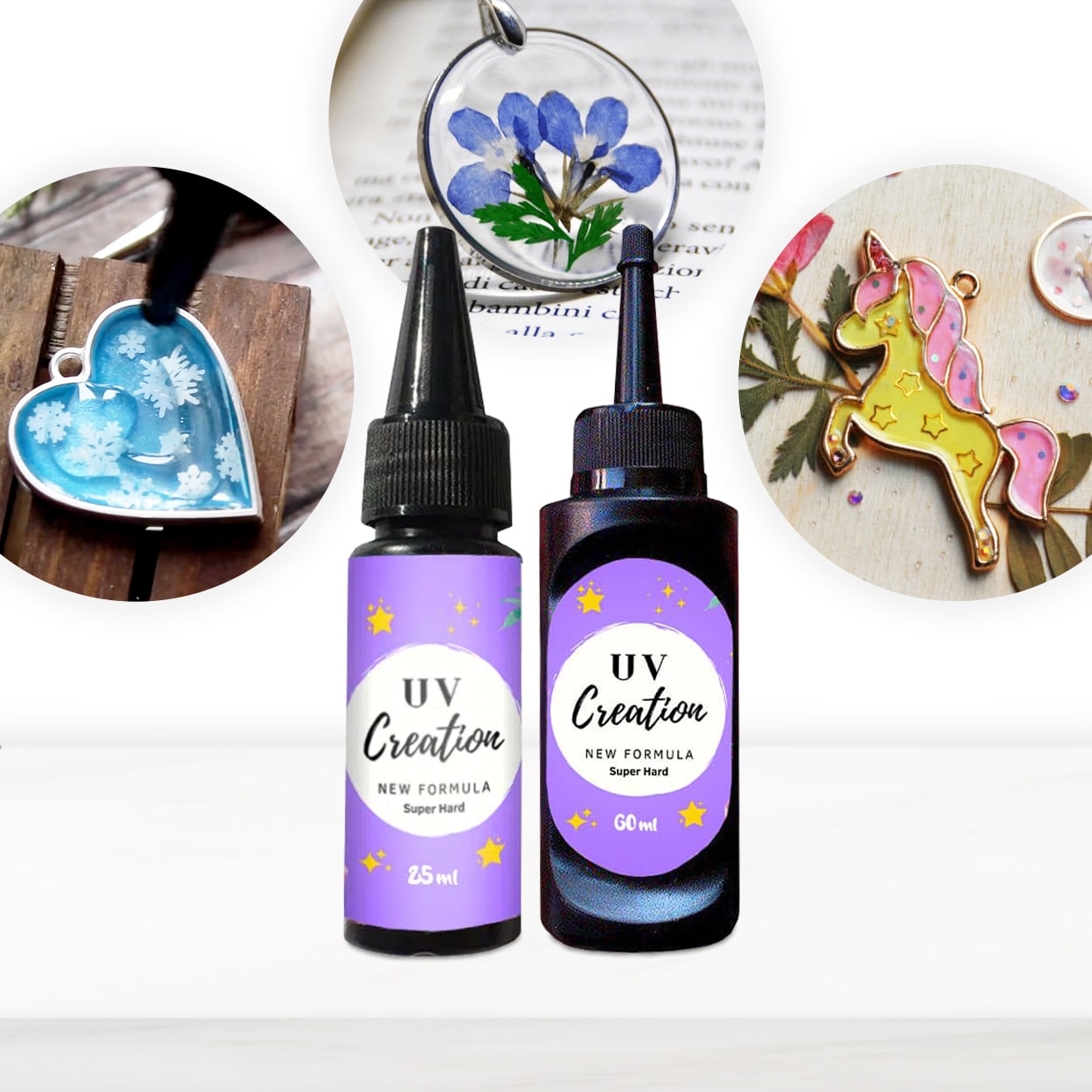
Finding your resin project still tacky after curing can be disheartening, but it’s a common issue that can usually be resolved with a few simple checks and adjustments. Here’s what you need to know to prevent and fix sticky resin.
Main Causes of Sticky or Uncured Resin
Resin that stays sticky after the expected curing time is often the result of incorrect mixing ratios, insufficient curing time, or high humidity during application. Epoxy resins in particular must be mixed precisely according to their instructions; even small deviations between resin and hardener can affect curing. UV resins require adequate and consistent exposure to UV light. Environmental factors—such as too much humidity or a cold workspace—can also slow or even halt the curing process.
Solutions and Prevention Tips
First, check your resin’s instructions for the correct mixing ratio and stick to it carefully, using accurate digital scales where possible. Mix thoroughly, scraping the sides and base of your mixing container. For UV resins, ensure you are using a suitable lamp and that the resin is not too thick; thin, even layers (no more than 3mm) allow proper light penetration. If you spot stickiness after curing, some resins can benefit from an extra exposure session under the UV lamp, or by allowing more curing time for epoxies. Quick-curing products, such as “UV–Creation” UV resin, offer rapid and even hardening when used as recommended.
When This Matters Most
Perfect resin curing is crucial for projects like jewellery, coatings, and 3D prints where clarity, strength, and a tack-free finish are key. For tasks that demand speed or high-gloss, such as finishing 3D printed models, consider using a fast-setting resin like “3D Finish” or accelerating bubble release with a dedicated heat gun.
Related products
Related guides
A sticky resin finish is frustrating but usually avoidable with careful preparation and the right products. For a deeper insight into perfecting your resin curing technique, see our main guide on how to dry resin.