 Free shipping on orders over £29,85
  Shipping Tracking!


 Google
 Facebook
← Back to How do you apply resin to a surface with holes?
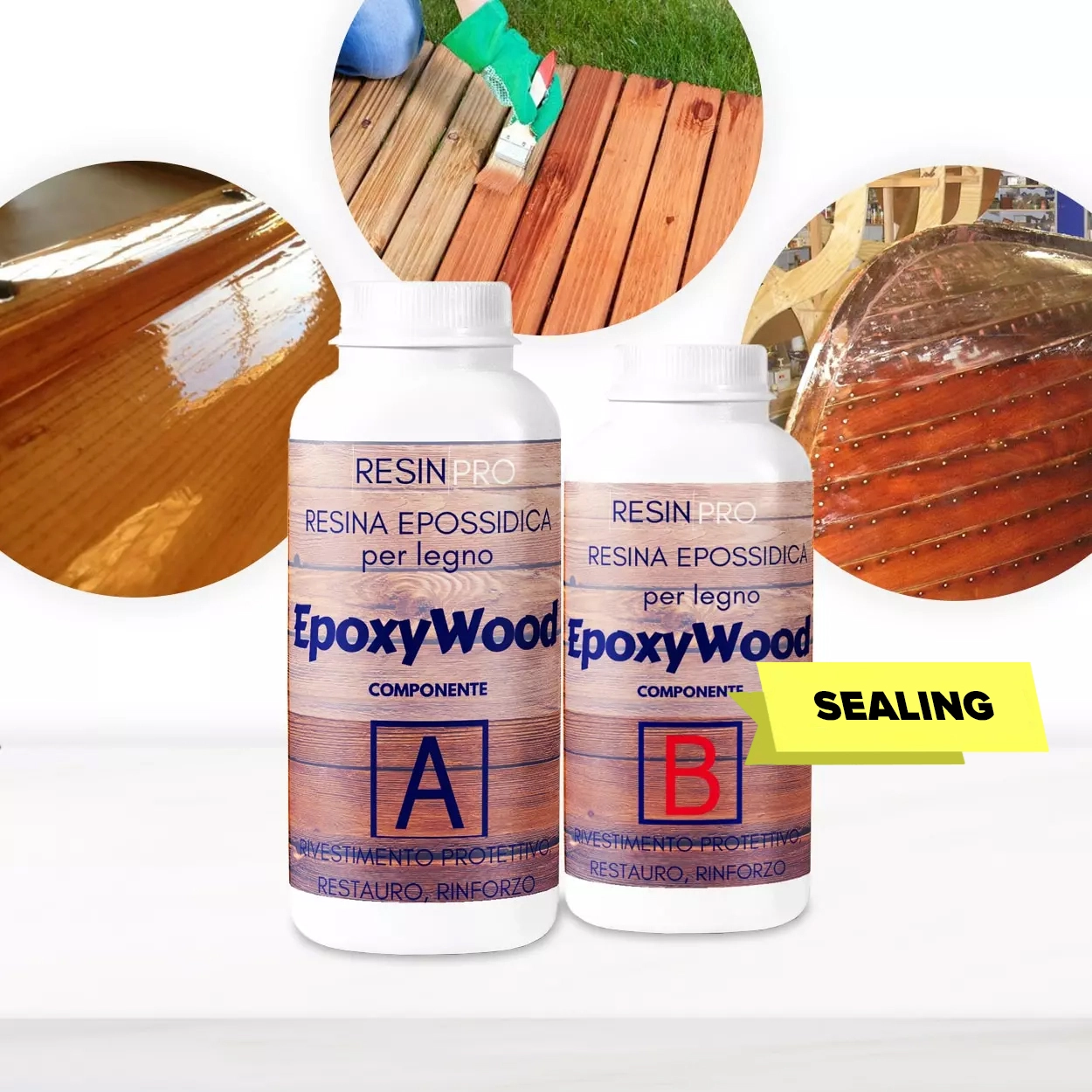
Applying resin to a surface with holes, pores, or unevenness can be challenging. Priming is an important step for ensuring strong adhesion and a longer-lasting finish, especially on porous or damaged substrates. Here’s what you need to know about using a primer when tackling such projects.
Why Priming Matters on Porous and Damaged Surfaces
Surfaces riddled with holes or pores—such as old wood, rough concrete, or fibreglass repairs—tend to absorb resin unevenly. This can lead to weak bonding spots and premature failures. Primers work by penetrating and sealing these pores, providing a stable, less absorbent base that helps your main resin coat spread evenly and cure properly.
Choosing and Using the Right Primer or Resin
Some resins are formulated specifically for priming or sealing surfaces before the main application. For deep restoration of wood with holes or rot, products like EpoxyWood have ultra-low viscosity, allowing them to soak deep into the wood grain and reinforce the structure before any fill or finish coats. On concrete, a methacrylic resin such as Resinstone can act both as a primer and protective sealer by penetrating capillaries. For fibreglass, using a specifically designed repair kit ensures the primer and main resin are compatible, helping to form a durable, waterproof bond.
- Always ensure the surface is clean, dry, and free from dust or loose debris before priming.
- Apply the primer or first coat evenly and allow it to cure as per product instructions before applying additional resin or coatings.
When This Matters Most
Using a primer is especially crucial if you’re dealing with surfaces that have absorbed moisture, are old or crumbling, or need extra reinforcement through deep penetration. It is also recommended if you want to avoid patchy results or wasted resin on unexpectedly porous areas.
Related products
Related guides
Taking the time to prime surfaces with holes can dramatically improve adhesion and finish durability. For more detailed advice on applying resin to tricky surfaces, explore our main guide: How do you apply resin to a surface with holes?