 Free shipping on orders over £29,85
  Shipping Tracking!


 Google
 Facebook
← Back to How do you weld resin?


Selecting a resin that’s compatible with your chosen substrate is key for achieving resilient and lasting ‘welds’ when joining or repairing surfaces. The right match ensures optimal adhesion and performance for your project.
Understanding Resin and Substrate Compatibility
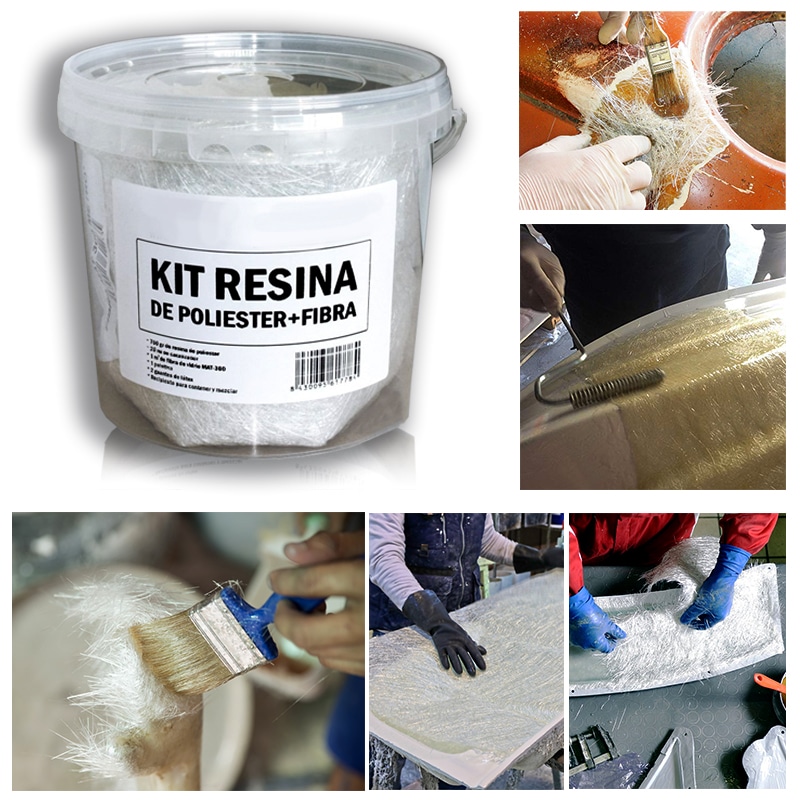
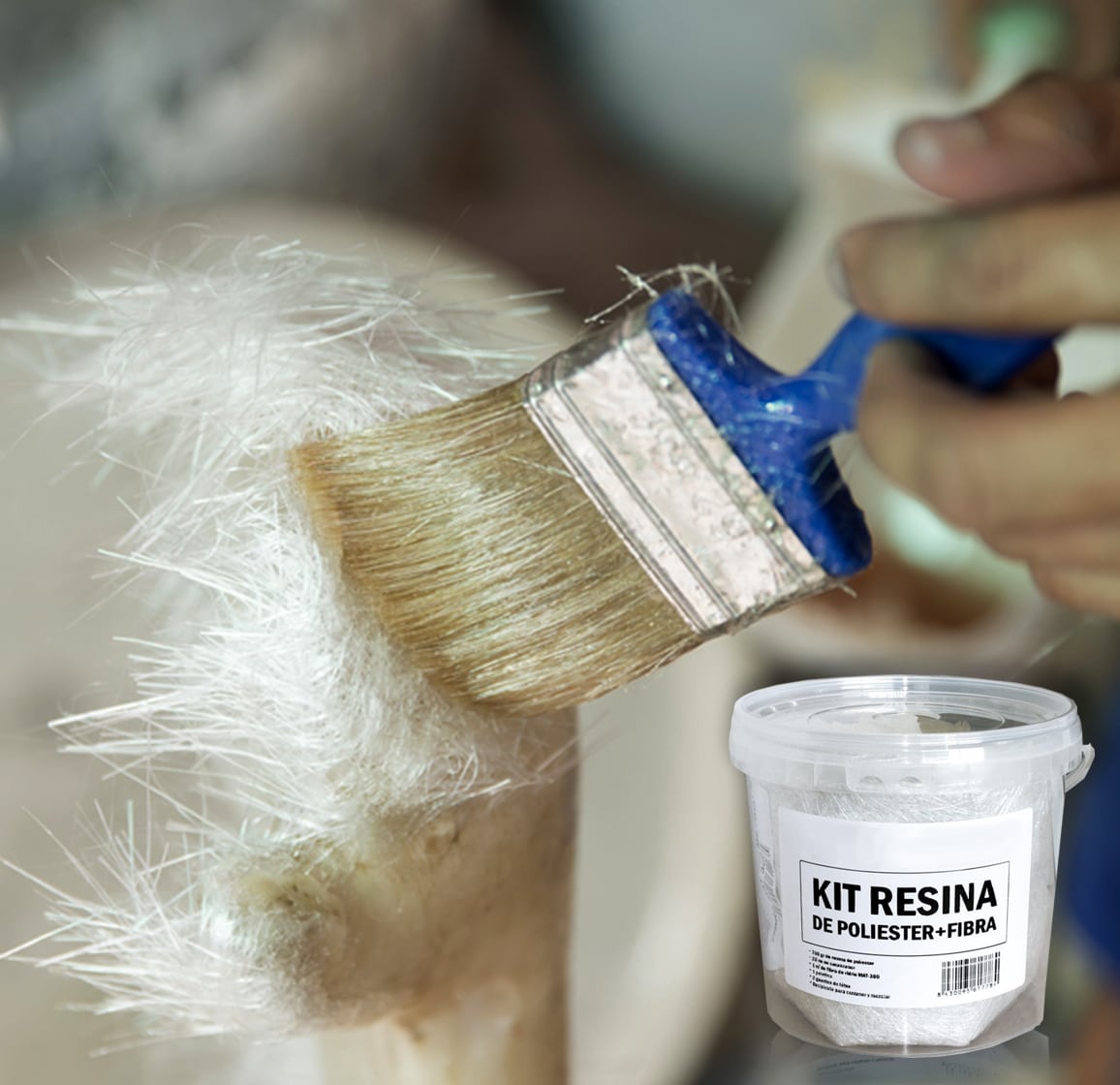
Resins come in various types, each best suited to specific materials. Epoxy resins typically offer excellent bonding to technical fabrics such as carbon fibre and fibreglass, making them ideal for composite work where high strength is needed. On the other hand, polyester resins, like those found in complete repair kits, are well-matched to rigid plastics and metals, especially in structural or water-contact repairs.
Always check both your substrate and the resin’s intended applications. For intricate objects or jewellery, a UV-curing resin may be more suitable due to its compatibility with small findings and its rapid setting under UV light.
Selecting the Right Resin for Your Project
When choosing a resin, consider the primary surface you’re working with. For composite or technical fabric projects, epoxy resin for carbon fibre and fibreglass offers high mechanical resistance and even impregnation of fibres.
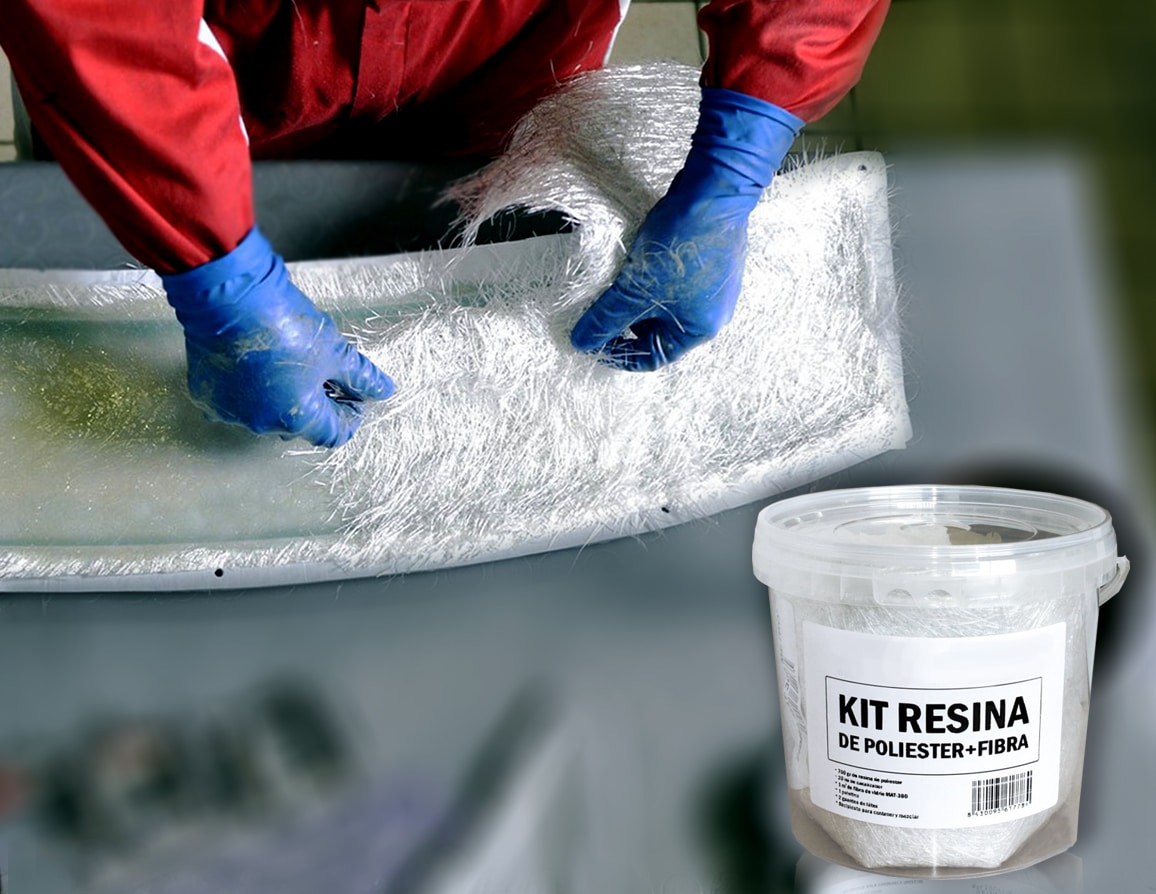
- For boat hulls, pools, or rigid plastic, a polyester resin kit with fibreglass mat is typically most effective.
- For jewellery or small decorative joins, UV acrylic resin ensures easy application and fast results on compatible materials.
Review the supplier’s guidelines to confirm compatibility with your chosen substrate before commencing work.
When Compatibility Matters Most
Selecting the correct resin is crucial for repairs involving water contact, heavy loads, or structural applications. Incompatible resin choices can lead to poor adhesion, premature failure, and wasted effort, especially in demanding environments.
Related products
Related guides
Ensuring resin compatibility with your substrate sets a strong foundation for every repair or creative project. Discover more expert insights on resin joining by returning to our main guide on how to weld resin.