 Free shipping on orders over £29,85
  Shipping Tracking!


 Google
 Facebook
← Back to What are the best practices for using epoxy resin on wood or concrete floors?
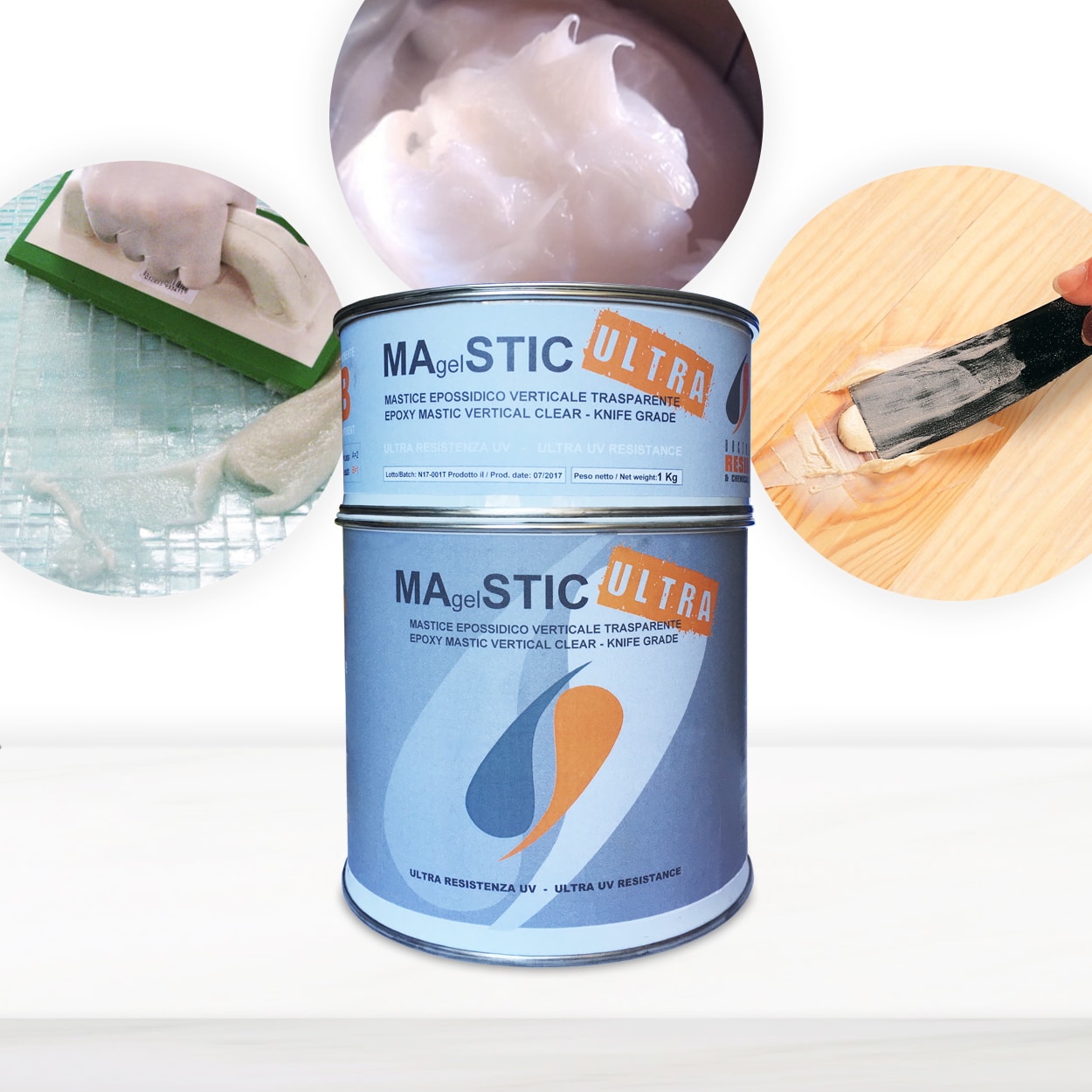
Epoxy mastic, such as Magelstick, is a specialist solution for repair, restoration and bonding on hard surfaces. If you’re dealing with damaged stone or cement floors, this guide walks you through when and why to opt for epoxy mastic over other products.
Ideal Situations for Epoxy Mastic
Epoxy mastic is uniquely formulated to deliver lasting repairs and strong adhesion on stone, cement and even metal. It excels at filling cracks, bonding dislodged tiles, or grouting where other adhesives might struggle. Thanks to its thixotropic properties, it resists sagging, making it particularly effective for use on vertical surfaces and awkward angles. This makes it a clear choice for restoring walls and steps, repairing patches on floors or filling small, deep imperfections where strength and stability are crucial.
For expert repairs, consider using Magelstick Epoxy Mastic on both interior and exterior stone or cement areas, as it is UV and weather resistant and works reliably in professional settings.
Application Tips for Best Results
When working with epoxy mastic, precision is key. Prepare only small batches to keep the mix fresh and workable. Surfaces should be clean, free from dust and completely dry. Apply the mastic with a spatula or similar tool to ensure deep penetration into cracks or gaps. The product’s minimal shrinkage helps preserve the finished look over time. Always follow the recommended application temperature—at least 10°C for most epoxies—for optimal performance and cure.
When This Matters Most
- Restoring historic or decorative stone and cement floors
- Carrying out localised, high-strength patch repairs
- Repairing vertical surfaces where ordinary fillers run or sag
- Filling structural cracks needing professional durability
Related products
Related guides
Choosing the right product for your stone or cement floor repairs can ensure results that last. For more extensive surface treatments or preparation, see our main guide on best practices for using epoxy resin on wood or concrete floors.