 Free shipping on orders over £29,85
  Shipping Tracking!


 Google
 Facebook
← Back to How are resin rings made?


Casting resin rings can be hugely rewarding, but achieving a smooth, professional outcome starts with the right mould. Not all moulds are created equal, and using those specifically designed for epoxy or UV resin is key to avoiding distorted or faulty results.
Why Special Moulds Matter
Moulds made for epoxy or UV resin are crafted from silicone or similar flexible, non-reactive materials. These ensure the resin cures evenly and releases cleanly, keeping ring shapes precise and surfaces glossy. Using unsuitable or rigid moulds increases the risk of warping, surface defects, or rings sticking in place, which can spoil your creation.

Choosing & Using the Right Mould
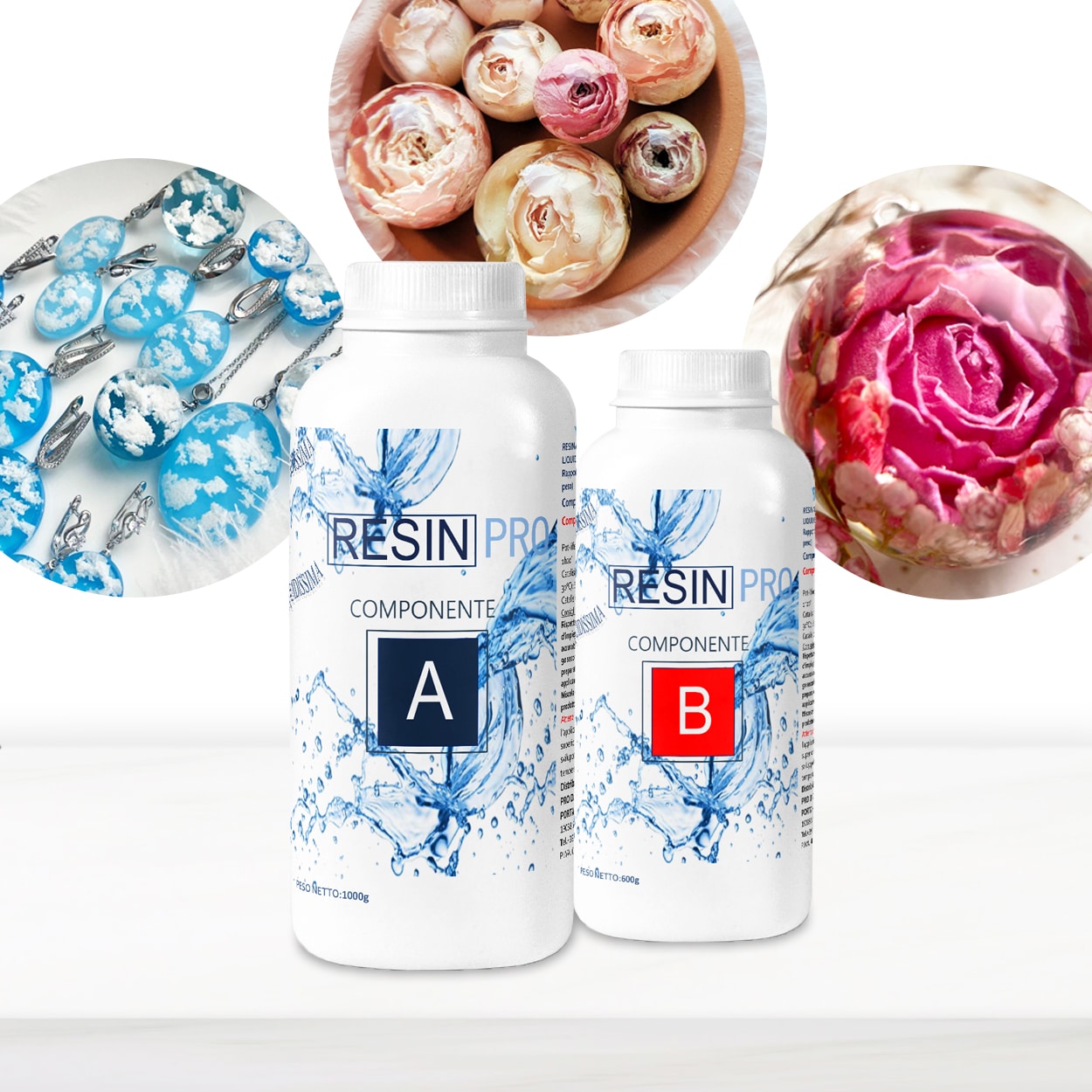
Look for high-quality silicone moulds rated for use with epoxy or UV resins. Avoid moulds intended for other materials like soap, food, or plastic, as they may not withstand resin’s curing process. Before pouring, make sure the mould is clean, dry, and free from lint. If starting out, a complete kit like the Evershine Collection offers accessories and starter moulds suited for rings and jewellery.
When This Really Matters
Using purpose-made moulds is especially vital for detailed or thin ring designs, where even a slight deformation will be noticeable. If you plan to sell or gift your resin rings, working with correct moulds greatly improves quality and consistency.
Related products
Related guides
By sticking with moulds tailored for epoxy or UV resin, you set yourself up for success with each ring you cast. Want to learn more about crafting your own resin rings? Return to our guide on how resin rings are made for further inspiration and step-by-step advice.