 Free shipping on orders over £29,85
  Shipping Tracking!


 Google
 Facebook
← Back to What is vinyl resin made of?
Choosing between vinyl, polyurethane, and epoxy resins can shape the quality and durability of your finished project. Each resin type has its own unique strengths, making it ideal for particular applications from crafts to structural use.
Comparing Resin Compositions & Properties
Vinyl resin is typically based on polyvinyl chloride (PVC), which is valued for its clarity and cost-effectiveness. These resins are often chosen for decorative or protective coatings where a clear, glossy finish is important.
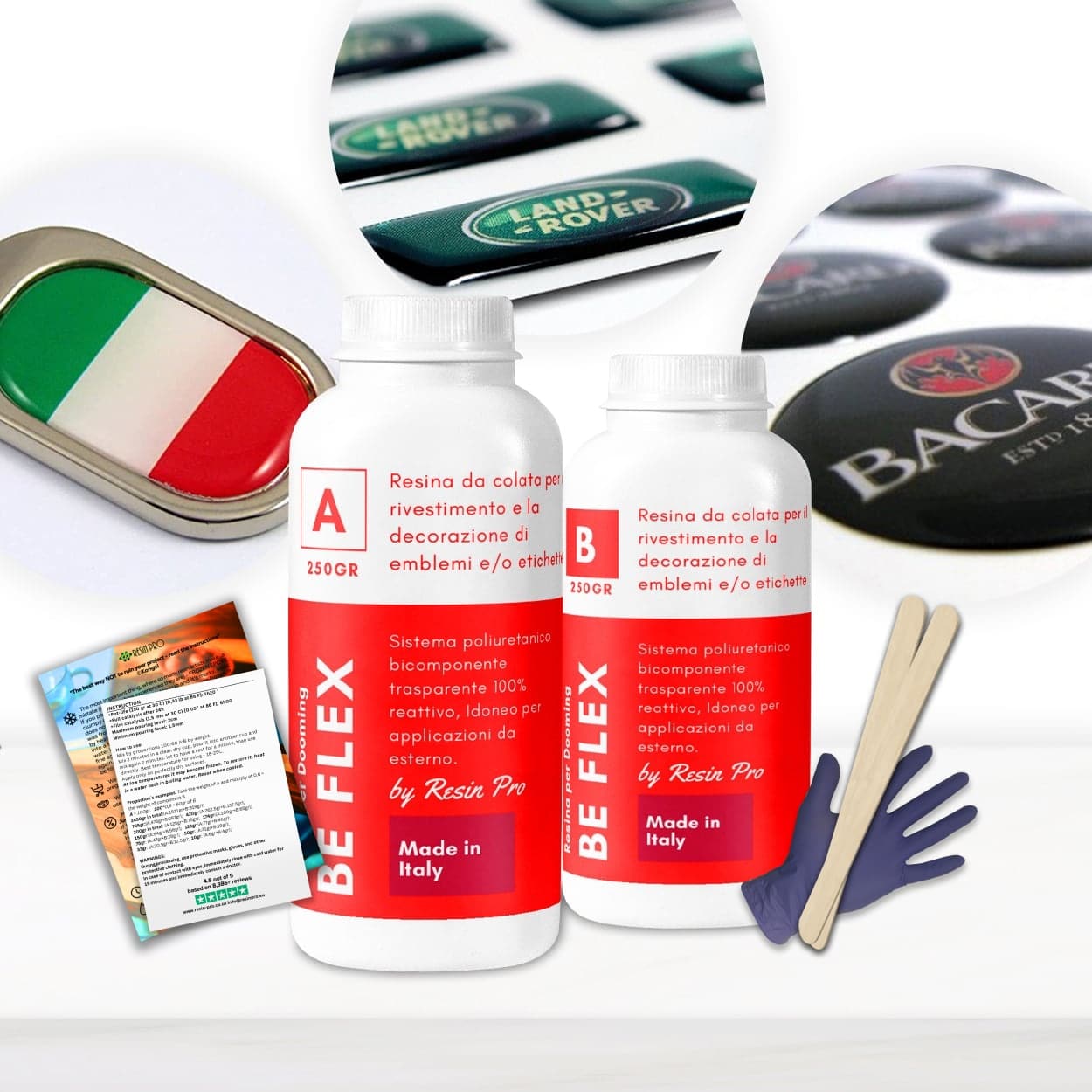
Polyurethane resin stands out for its flexibility, abrasion resistance, and UV performance. It’s a popular pick for items needing some give or for coating curved surfaces—like Be Flex transparent polyurethane doming resin on badges and stickers.
Epoxy resin is known for its excellent durability and strength. It offers a robust, scratch-resistant finish with great clarity, suitable for casting, protective coatings, or use as adhesives and in composite structures.
Choosing the Right Resin for Your Project
- Vinyl resin: Ideal if you need an attractive, budget-friendly clear coating for artworks, labels, or protective finishes not exposed to high stress.
- Polyurethane resin: Best for flexible coatings, items subject to movement, or where abrasion and UV-resistance are key. Doming applications (like badges) benefit from its self-healing, resilient surface.
- Epoxy resin: Suited for castings, tabletops, or technical projects demanding high toughness, water resistance, and a glass-like, professional appearance—see Trasparente clear epoxy for multipurpose use.
When the Differences Matter Most
Selecting the wrong resin for your application can result in unwanted yellowing, cracking, or lack of durability. For example, use polyurethane or epoxy rather than vinyl resins for outdoor or structural projects, and prioritise vinyl only when clarity and budget are most important.
Related products
Related guides
Understanding the key differences between vinyl, polyurethane, and epoxy resins helps you achieve the best finish and longevity for your project. For a deeper dive into resin make-up and different formulations, visit our main page on what vinyl resin is made of.