 Free shipping on orders over £29,85
  Shipping Tracking!


 Google
 Facebook
← Back to How do I repair or prepare the surface for a new epoxy resin pour?
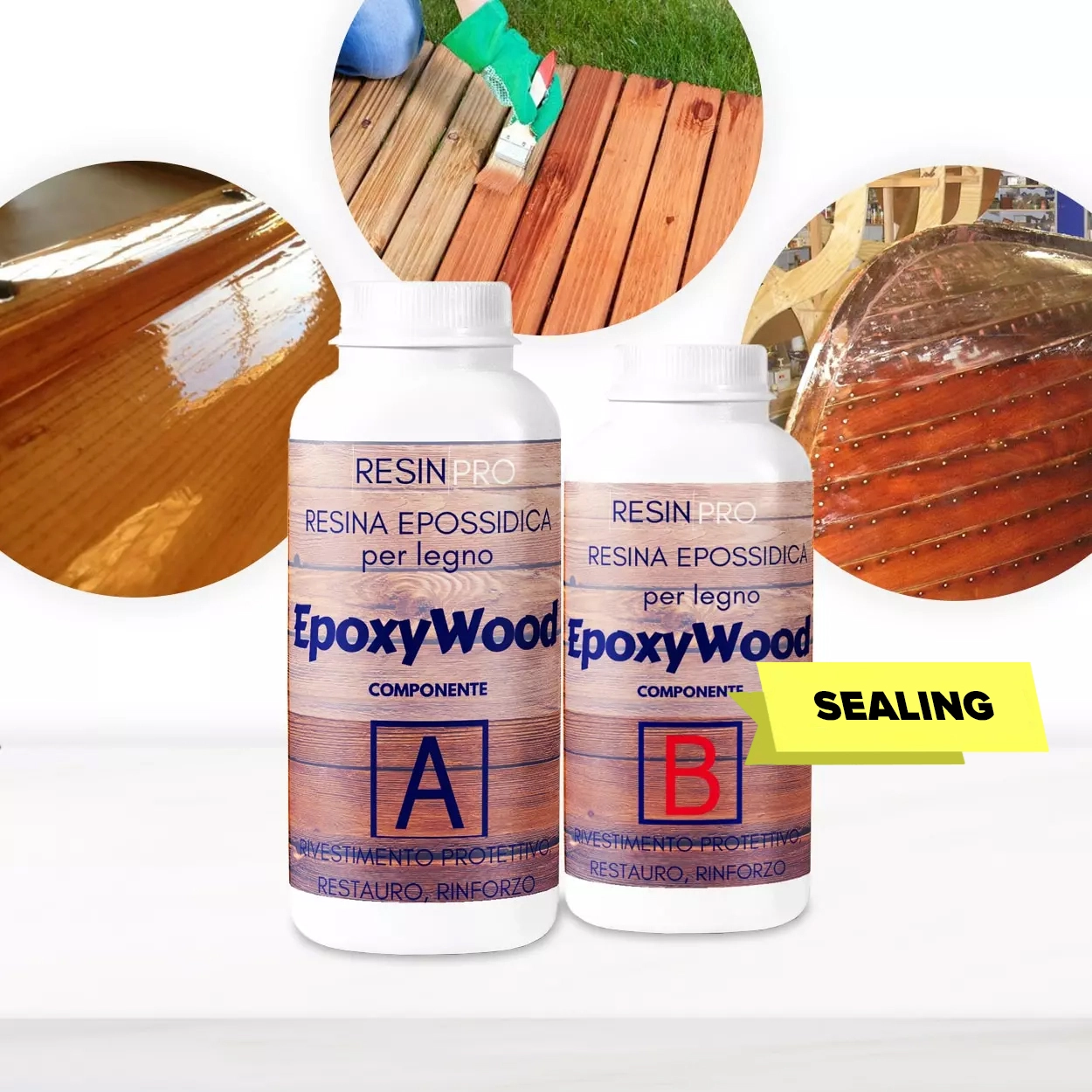
Achieving effective waterproofing is a vital step in preparing surfaces such as wood and floors before an epoxy resin pour. By understanding the correct methods and choosing the right products, you set the foundation for a durable, long-lasting result.
Why Waterproofing Matters in Resin Projects
Proper waterproofing stops moisture from affecting your substrate after an epoxy pour. Whether you’re working with timber, concrete, or tiles, moisture can compromise adhesion and reduce the longevity of your epoxy surface. Waterproofing is particularly important for outdoor areas or damp environments, ensuring your work remains strong and visually appealing over time.
Waterproofing Wooden Surfaces
For wood, using a deep-penetrating epoxy resin is key. EpoxyWood is designed for this purpose: it seeps into the wood’s pores, reinforces the structure, and transforms it into a waterproof surface. Before applying, thoroughly sand and ensure your timber is fully dry for the resin to bond well. This approach not only protects but also brings out the warmth of the natural wood grain.
Priming Floors and Tiles for Waterproofing
On surfaces such as concrete, screeds, and tiles, a specialist primer supports waterproofing and adhesion. Epoxyprimer provides a reliable base layer, helping the subsequent resin coat to adhere without risk of delamination. Apply the primer with a roller or brush, and allow 24–48 hours for a full cure before proceeding with your resin pour.
When Waterproofing Is Essential
- Outdoor wood structures or boat hull restoration
- Floors in basements, kitchens, and bathrooms
- Preparing substrates exposed to regular moisture
Related products
Related guides
Taking time to waterproof your surfaces not only prepares them for a new epoxy resin pour but also ensures your finished project offers years of durability. For more tips on resin surface repair and preparation, see our main guide on preparing for a new epoxy resin pour.