 Free shipping on orders over £29,85
  Shipping Tracking!


 Google
 Facebook
← Back to What materials are epoxy resin moulds made from?
Understanding the temperature limits of silicone moulds is crucial for successful resin casting and other creative projects. Selecting moulds able to withstand a range of temperatures helps ensure safe, repeatable, and high-quality results.
Typical Temperature Range for Silicone Moulds
Most quality silicone moulds used in epoxy resin and crafts can tolerate temperatures as low as -40°C and up to 210°C. This broad range covers the requirements of common resin curing, hot wax, and plaster casting processes. Staying within this range helps prevent damage or deformation, ensuring your silicone mould remains usable project after project.
Working Safely Within the Limits
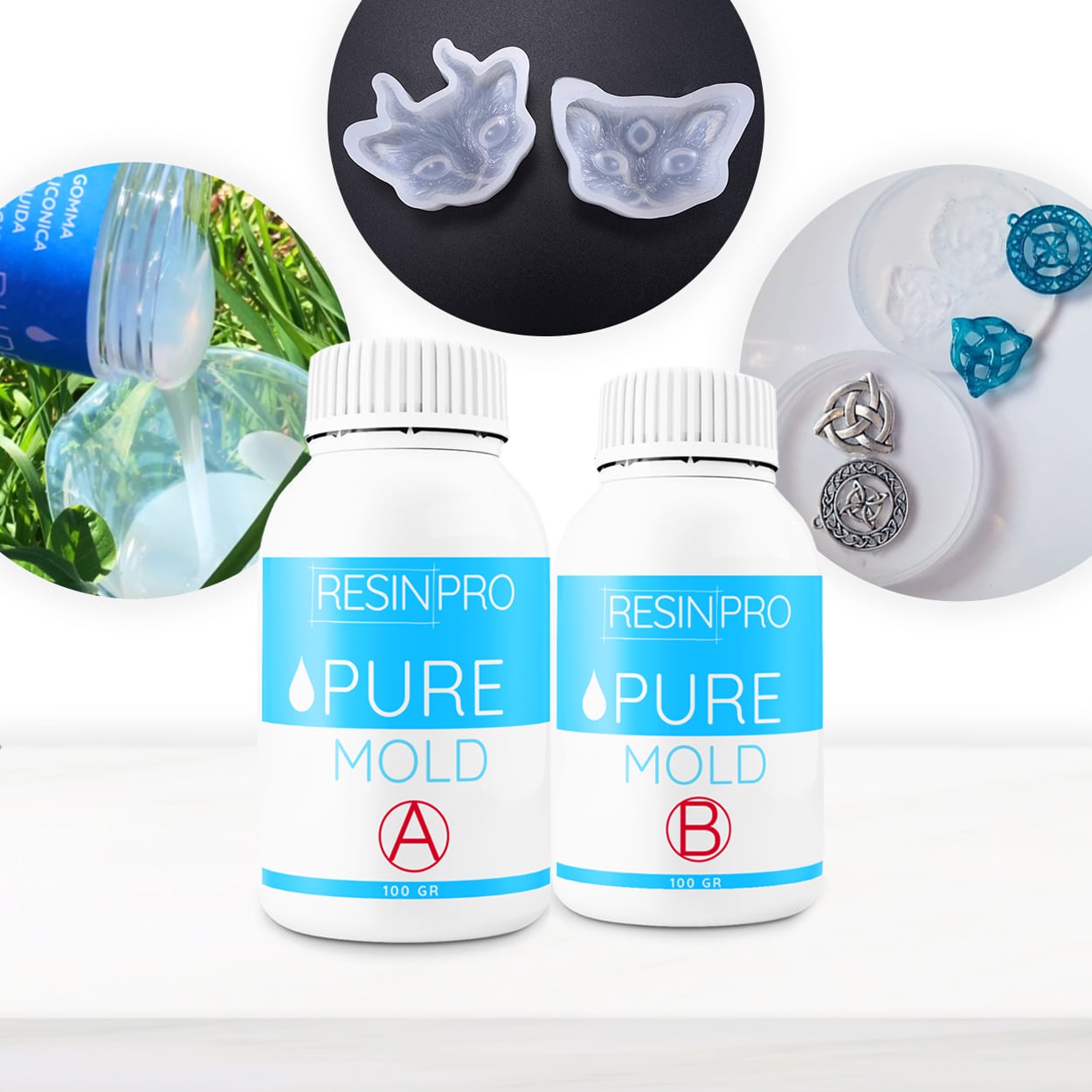
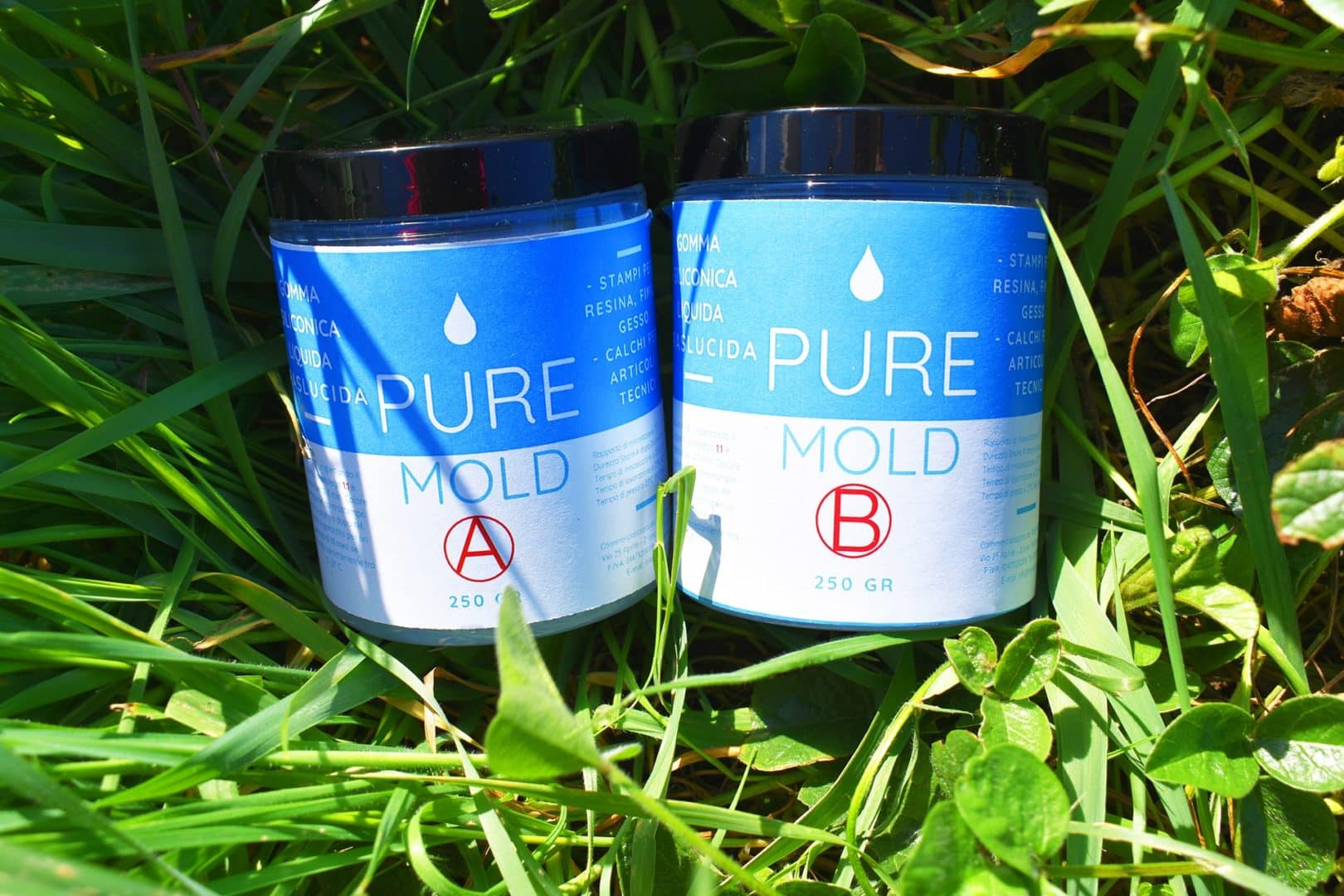
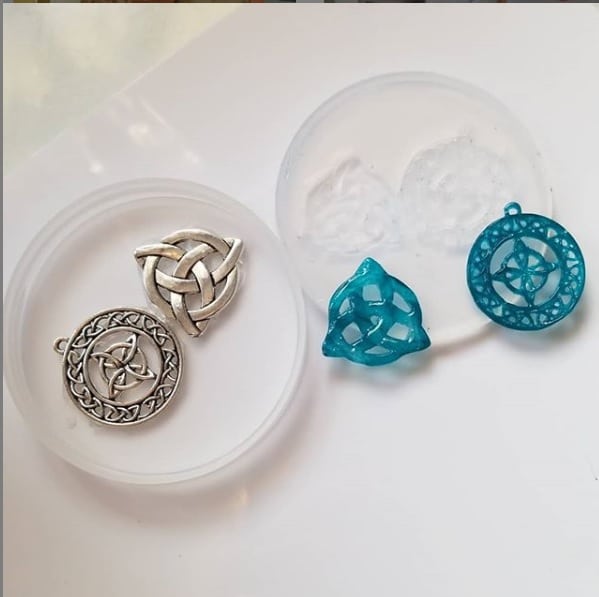
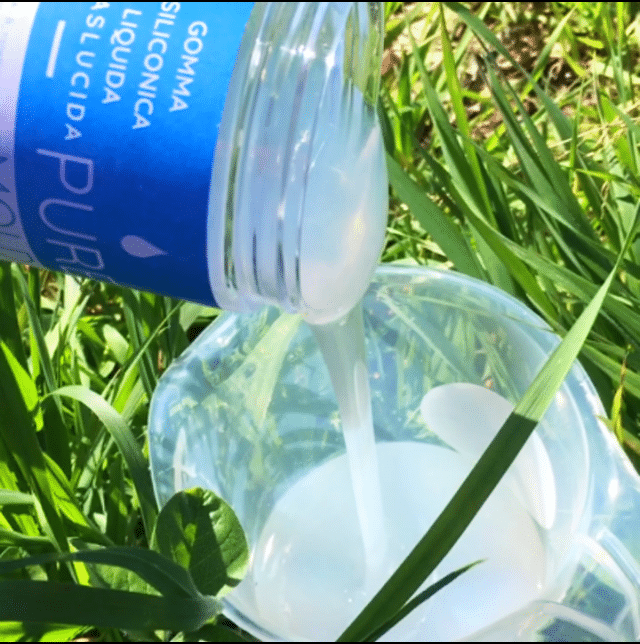
Always check the specifications of your chosen mould before exposing it to high or low temperatures. Excessive heat can shorten the lifespan of silicone, while rapid temperature changes may cause unwanted stress or shrinkage. For most resin applications, room temperature is ideal, but products like “Pure Mould” – Translucent Liquid Silicone Rubber are also suitable for use with hot waxes due to their resilience within the safe range.
When Do Temperature Limits Matter Most?
- Casting with high-exotherm resins: Monitor curing heat to avoid exceeding silicone tolerance.
- Baking or heating projects: Only place silicone moulds in ovens when confirmed safe at the required temperature.
- Cold-casting processes: Ensure flexibility and integrity remain at lower temperatures.
Related products
Related guides
By respecting the temperature ranges of your silicone moulds, you can enjoy reliable, high-quality results in all sorts of resin and craft projects. Learn more about mould materials and their properties in our main guide on what materials are epoxy resin moulds made from.