 Free shipping on orders over £29,85
  Shipping Tracking!


 Google
 Facebook
What do bees do with resin?
Discover why bees collect resin and its uses in craft and nature
Bees have a remarkable relationship with resin, collecting it from trees and plants to create propolis—a substance vital to their hives for protection and health. But how does this natural behaviour connect to human creative uses of resins in art, woodwork, and surface care? This page explores how bees use resin in nature, draws connections to natural and synthetic resins used in workshops and studios, and helps you choose the right resin or beeswax-based product for your next project.
Understanding Bee Resin and Its Human Applications
In the wild, bees collect sticky plant resin and blend it with beeswax and enzymes to form propolis. This natural “bee glue” is used to seal cracks, fortify the hive, and protect the colony from germs and invaders. The principle—using resin to create a protective, versatile material—mirrors how artists, woodworkers, and crafters use various resins and waxes, whether for intricate jewellery, glossy wood finishes, or durable castings. Different resins and wax-based products deliver unique finishes, with some focusing on clarity and self-levelling for art, and others prioritising protection for wood or stone surfaces.
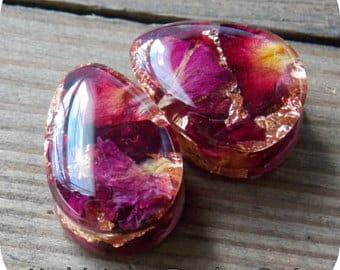
Bee Resin Collection: Nature's Inspiration for Makers
Bees collect plant resins to build propolis, which they use for hive protection and hygiene. This natural creativity inspires artists and makers to harness resins—both plant- and synthetic-based—in their own projects, highlighting the link between bee ingenuity and human invention.
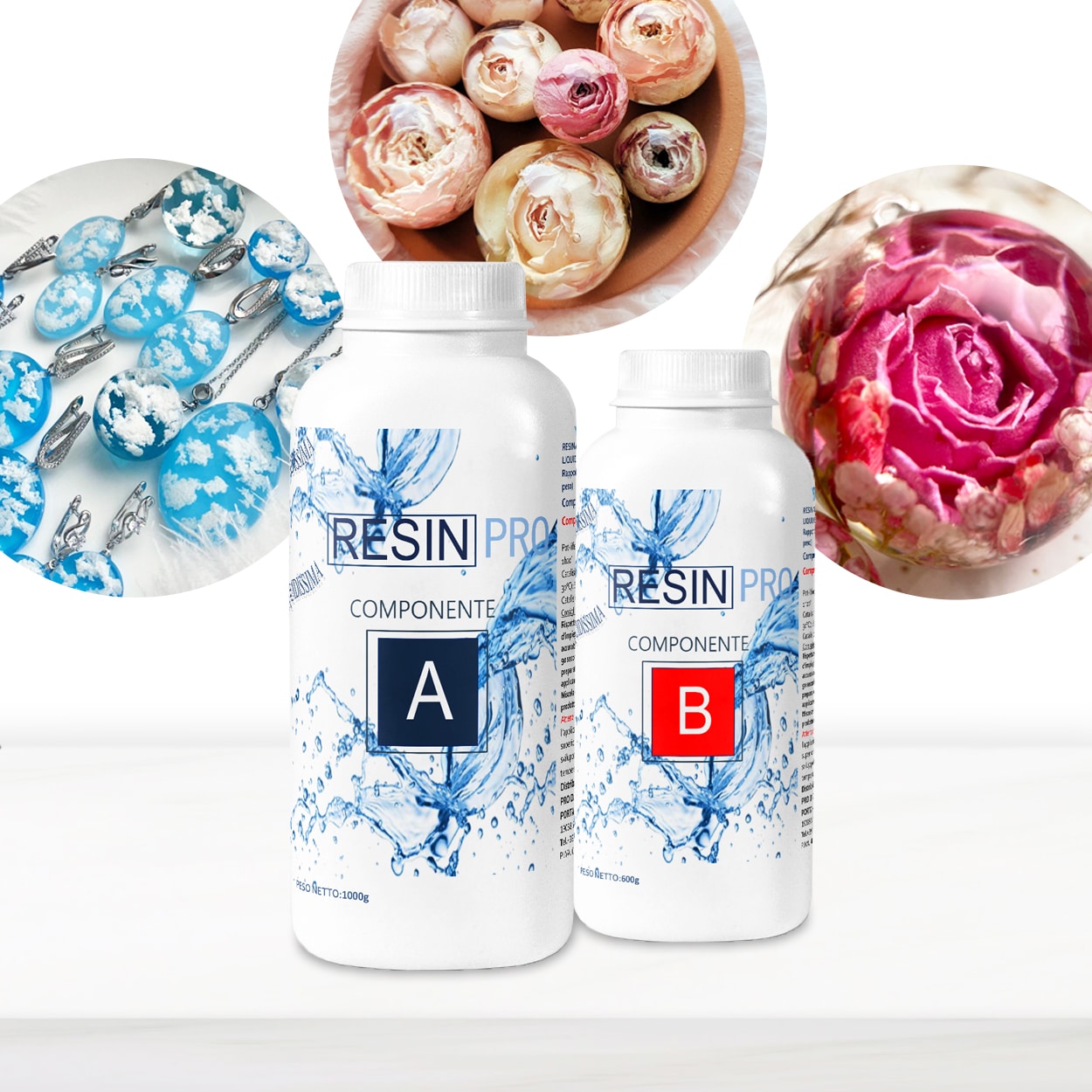
“Liquidissima” – Epoxy Resin For Creations & Jewellery
For those inspired by bees’ precision and clarity in using resin, “Liquidissima” – Epoxy Resin For Creations & Jewellery is an excellent choice. This two-component epoxy resin provides exceptional transparency, echoing the clear and natural beauty of resins in the hive. With low viscosity and a longer working time, it is ideal for intricate moulding or delicate jewellery, mimicking how bees select and apply resin meticulously. Its self-levelling finish and reduced air bubbles mean fewer imperfections—perfect for creators aiming for flawless details in their pieces. Explore more options in our resin for jewellery range.
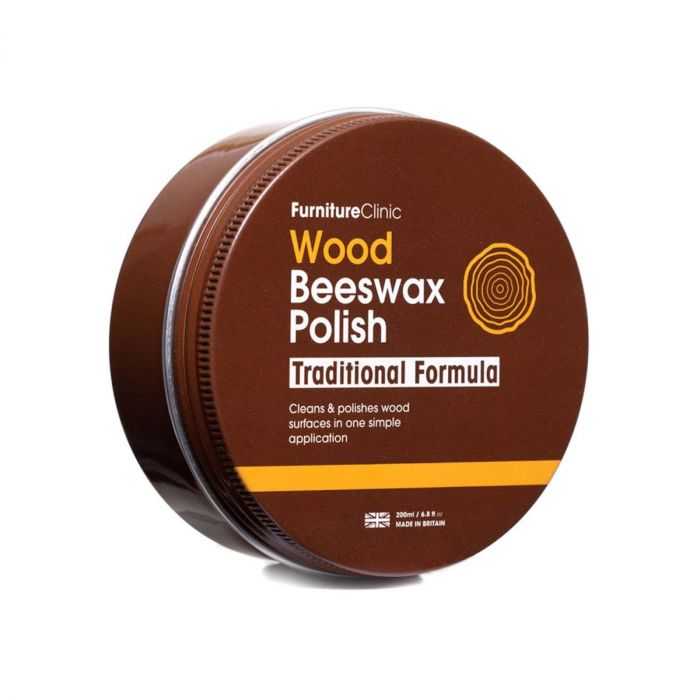
Beeswax Wood Polish 200ml Natural Formula for Wood and Epoxy Resin
Inspired by the natural chemistry of bees, Beeswax Wood Polish 200ml Natural Formula for Wood and Epoxy Resin brings the traditional benefits of beeswax and resin-like substances into furniture and surface care. This natural polish is designed to nourish, protect, and deliver a brilliant shine for both wood and epoxy resin surfaces—much like propolis shields the hive. Suitable for furniture, flooring, and detailed projects, it offers a rich, glossy finish while covering up to 12.5m² per 200ml. Find other options in our sanding and polishing selection.
Beeswax Stone Polish 80ml – Natural Formula
For stone surfaces in need of care, Beeswax Stone Polish 80ml – Natural Formula offers a compact yet powerful solution. Crafted with beeswax—nature’s original resin—this formula provides a protective layer against scratches, UV fading, and weathering, echoing bees’ instinct to safeguard their environment. Its easy application and even spread make it suitable for spot restoration and regular maintenance, giving your stone features a subtle, preserved sheen.
“Epoxytable 10-Ten” – Deep Pour Epoxy Resin for Tables, Up to 10cm Casting
“Epoxytable 10-Ten” – Deep Pour Epoxy Resin for Tables, Up to 10cm Casting is engineered for super-deep casting, suitable for ambitious projects such as river tables and large decorative pieces. Its capacity for casting up to 10cm in a single pour, combined with UV filters and a low exothermic reaction, makes it a clear parallel to the way bees utilise resin for thick, stable, and protective structures. Its clarity and resilience provide a modern interpretation of the preservation and layering themes present in bee propolis activity. Explore more in our resins for tables and surfaces finishes range.
Natural versus Synthetic: Choosing the Right Resin for Your Project
Choosing between beeswax-based polishes and synthetic epoxy resins depends on your creative goals. For nourishing and protecting wood or stone with a traditional, eco-conscious approach, beeswax-based polishes are unmatched. For artists and makers pursuing ultra-clear finishes or deep castings, epoxy resins like “Liquidissima” or “Epoxytable 10-Ten” offer clarity, strength, and versatility. Consider whether your project values natural ingredients and subtle protection, or benefits from the artistic freedom and finish only a synthetic resin can provide.
Creative Uses for Resin and Beeswax in Modern Craft
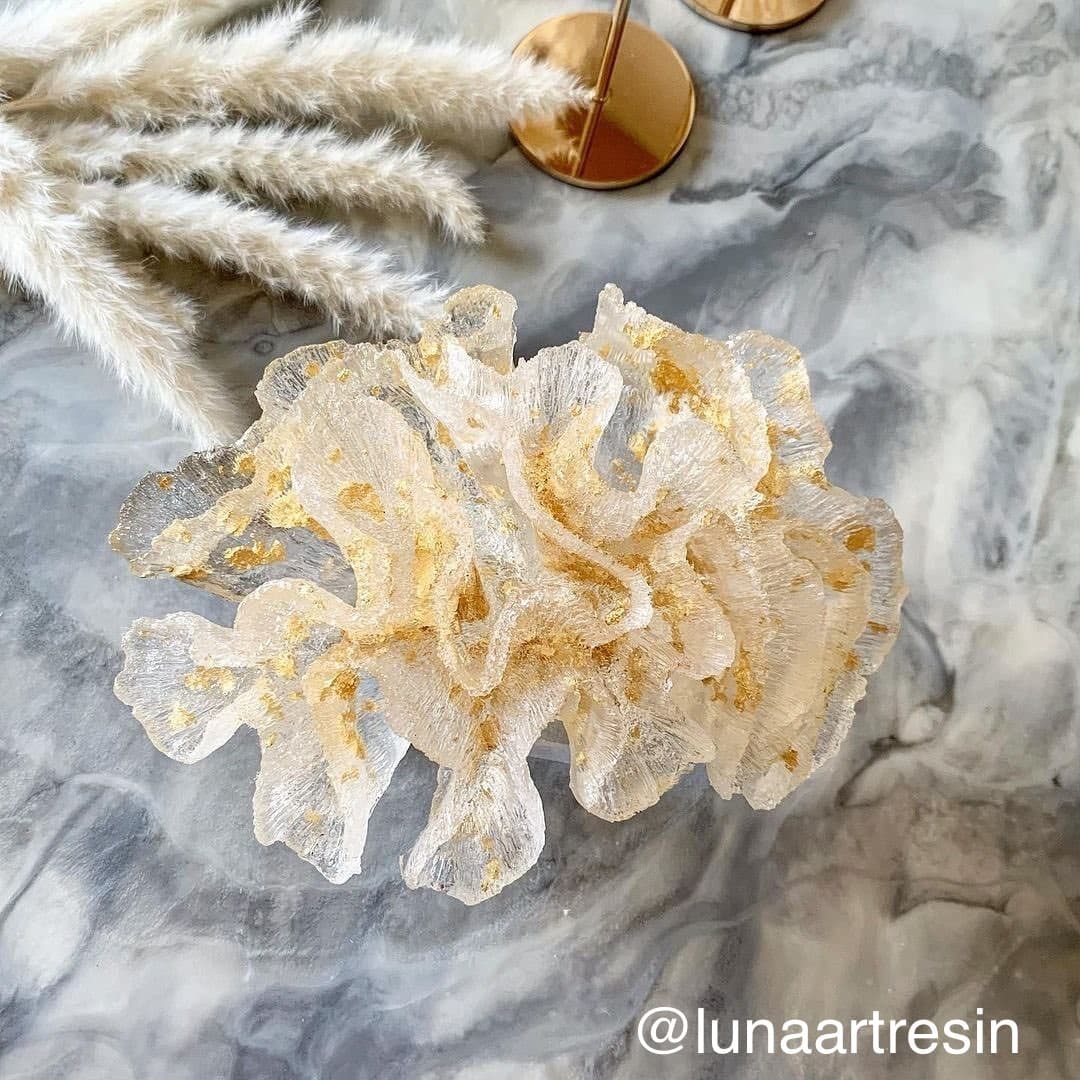
Modern artists and woodworkers use resins and beeswax blends for protective coatings, artistic finishes, and restoration work. Whether choosing traditional beeswax or advanced epoxies, these materials echo the purpose and adaptability found in bees’ ancient practice of resin usage.
- "Liquidissima" – Epoxy Resin For Creations & JewelleryPrice range: £12.85 through £31.85"Liquidissima" offers clear, low-viscosity epoxy resin designed for intricate jewellery and creative work with a self-levelling finish.
- Beeswax Wood Polish 200ml Natural Formula for Wood and Epoxy Resin£12.45Beeswax Wood Polish is a natural formula for wood and epoxy resin projects, designed to nourish and protect surfaces.
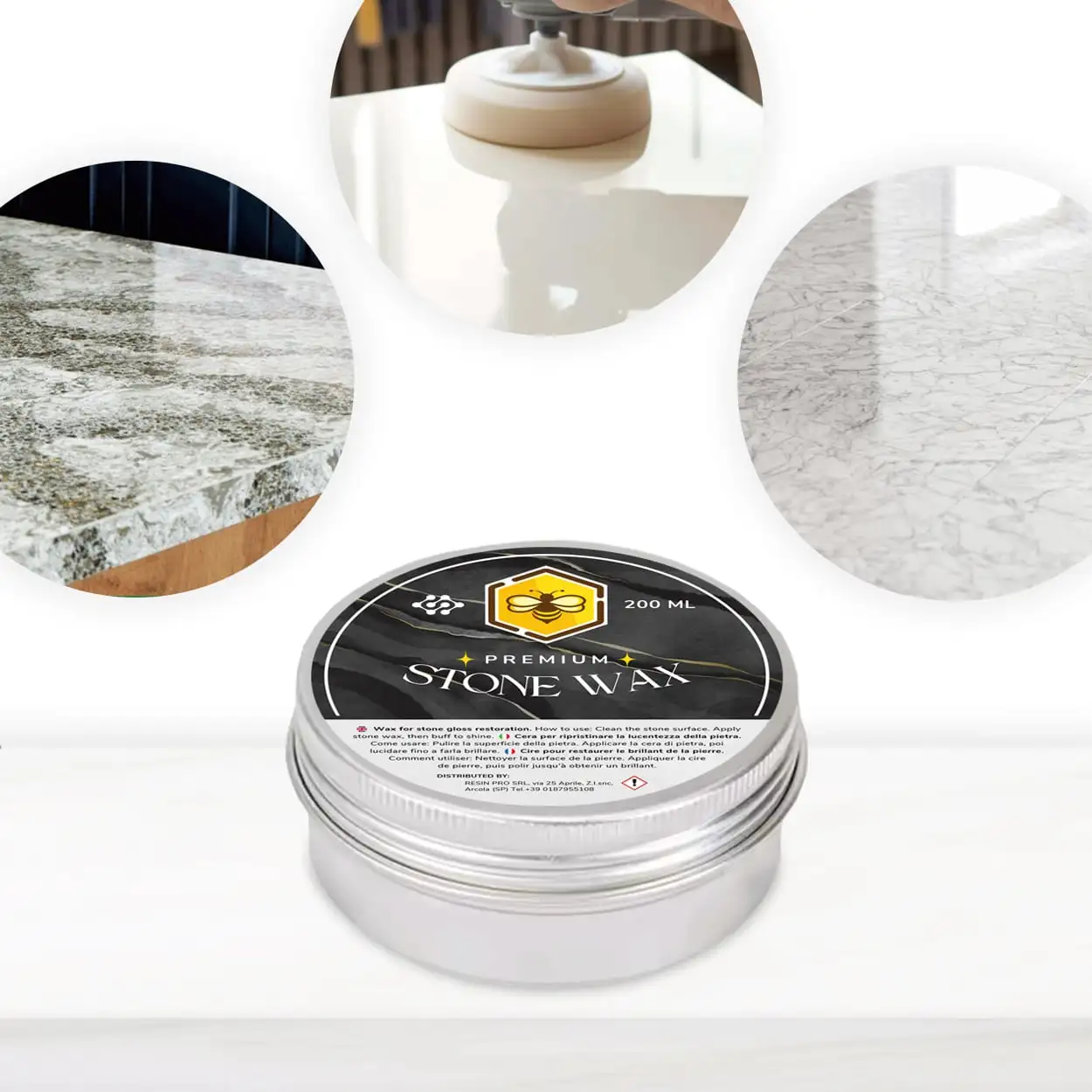 Beeswax Stone Polish 80ml – Natural Formula£6.45Beeswax Stone Polish is a natural formula suitable for routine maintenance of stone surfaces, providing durable protection and UV defence.
 “Epoxytable 10-Ten” – Deep Pour Epoxy Resin for Tables, Up to 10cm CastingPrice range: £35.95 through £351.95“Epoxytable 10-Ten” is designed for deep casting up to 10cm, suitable for tables and large artistic projects within the themed context.
Frequently Asked Questions
How do bees collect and use resin?
Bees gather resin from plant buds and mix it with beeswax to create propolis, which secures and protects the hive.
Why do bees use resin in their hives?
Resin is used to fill gaps, seal cracks, and prevent the spread of disease, strengthening the hive’s defences.
What is the difference between natural and synthetic resin?
Natural resin comes from plants and is used by bees. Synthetic resins like epoxy are man-made and designed for specific uses in crafts.
Can beeswax polish be used on epoxy resin surfaces?
Yes, beeswax polishes nourish and protect epoxy resin surfaces with a natural finish.
What is the best type of epoxy resin for artists or jewellery?
"Liquidissima" epoxy delivers excellent transparency and is ideal for creators working with intricate moulds and detailed projects.
Is “Epoxytable 10-Ten” suitable for large table projects?
Yes, it’s formulated for deep pours up to 10cm, ideal for river tables and thick resin castings.
What is the difference between beeswax stone and wood polish?
Beeswax stone polish is designed to protect stone surfaces, while wood polish is optimised for nourishing wood and epoxy resin finishes.