 Free shipping on orders over £29,85
  Shipping Tracking!


 Google
 Facebook
← Back to What grit should you sand resin with?
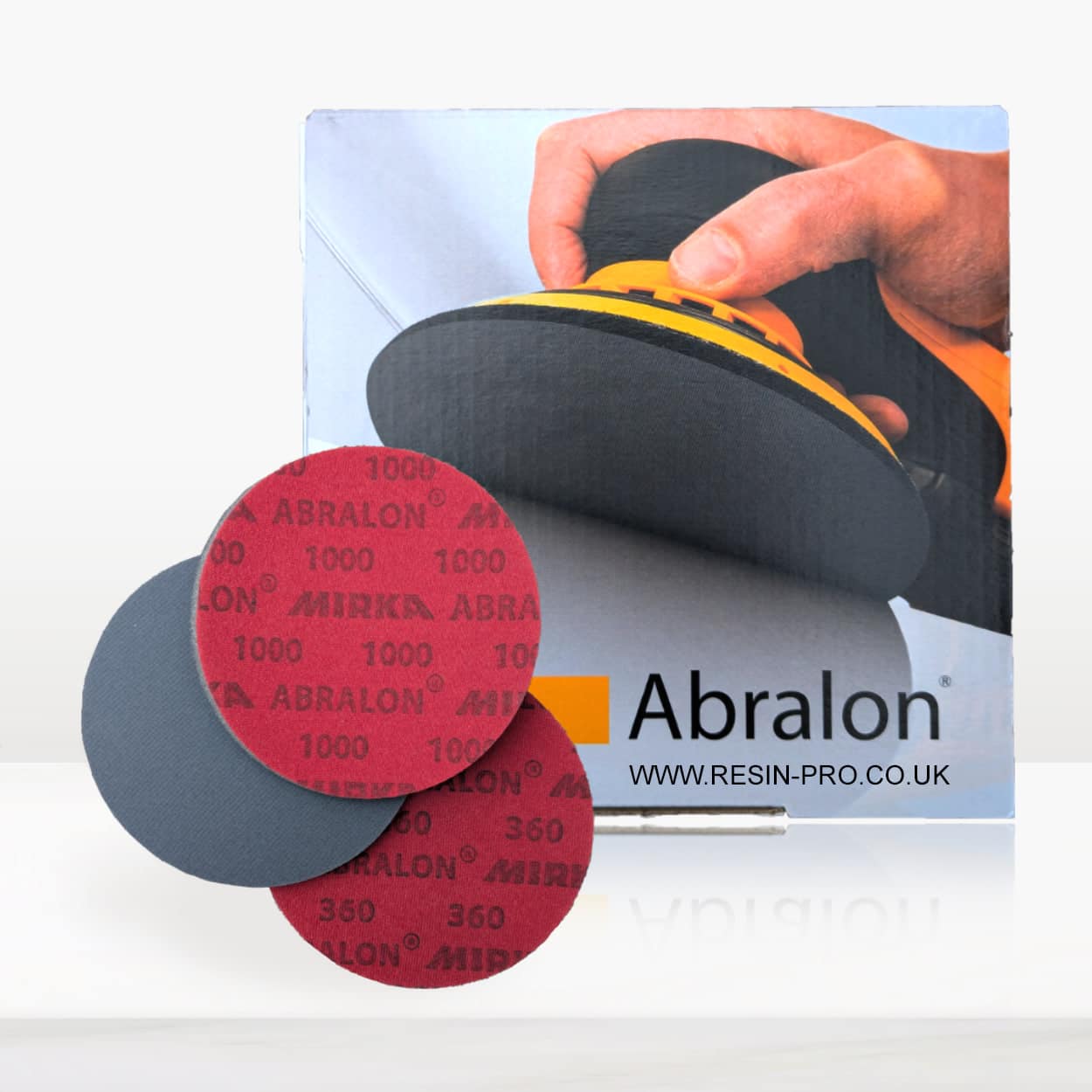
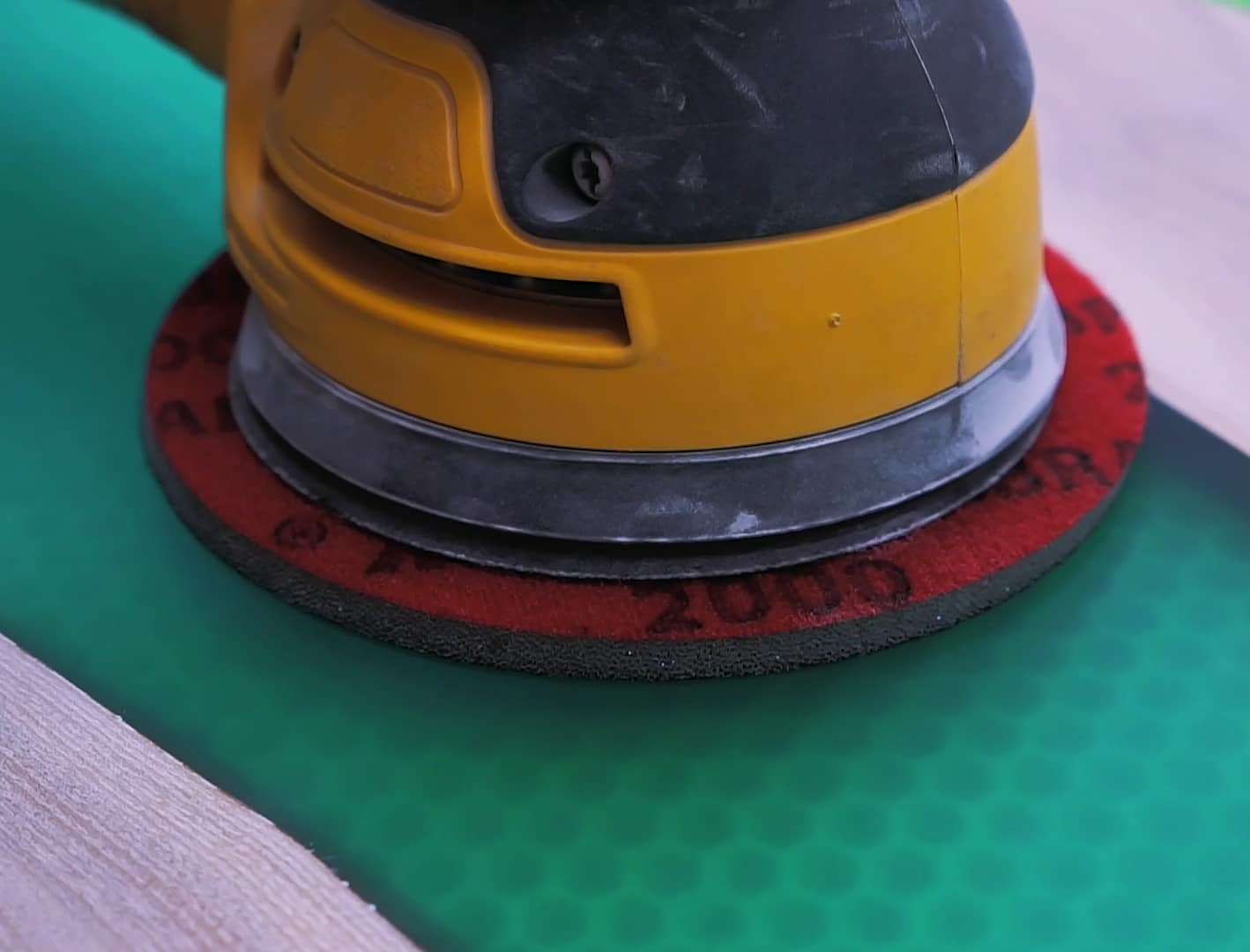
For anyone finishing resin projects, knowing when to switch from dry to wet sanding is essential for achieving a flawless surface. This simple adjustment can make a remarkable difference in clarity and smoothness.
Understanding Dry and Wet Sanding
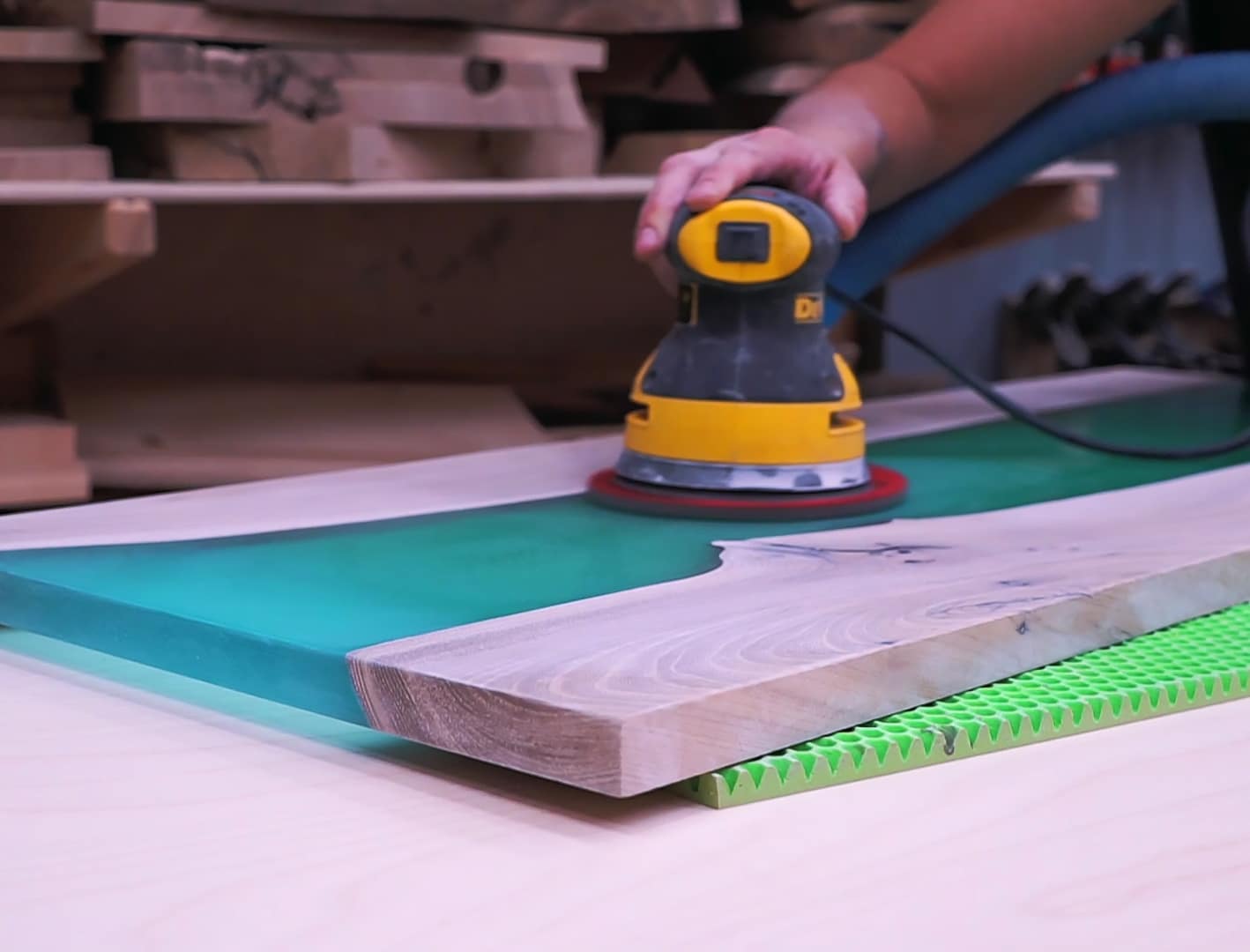
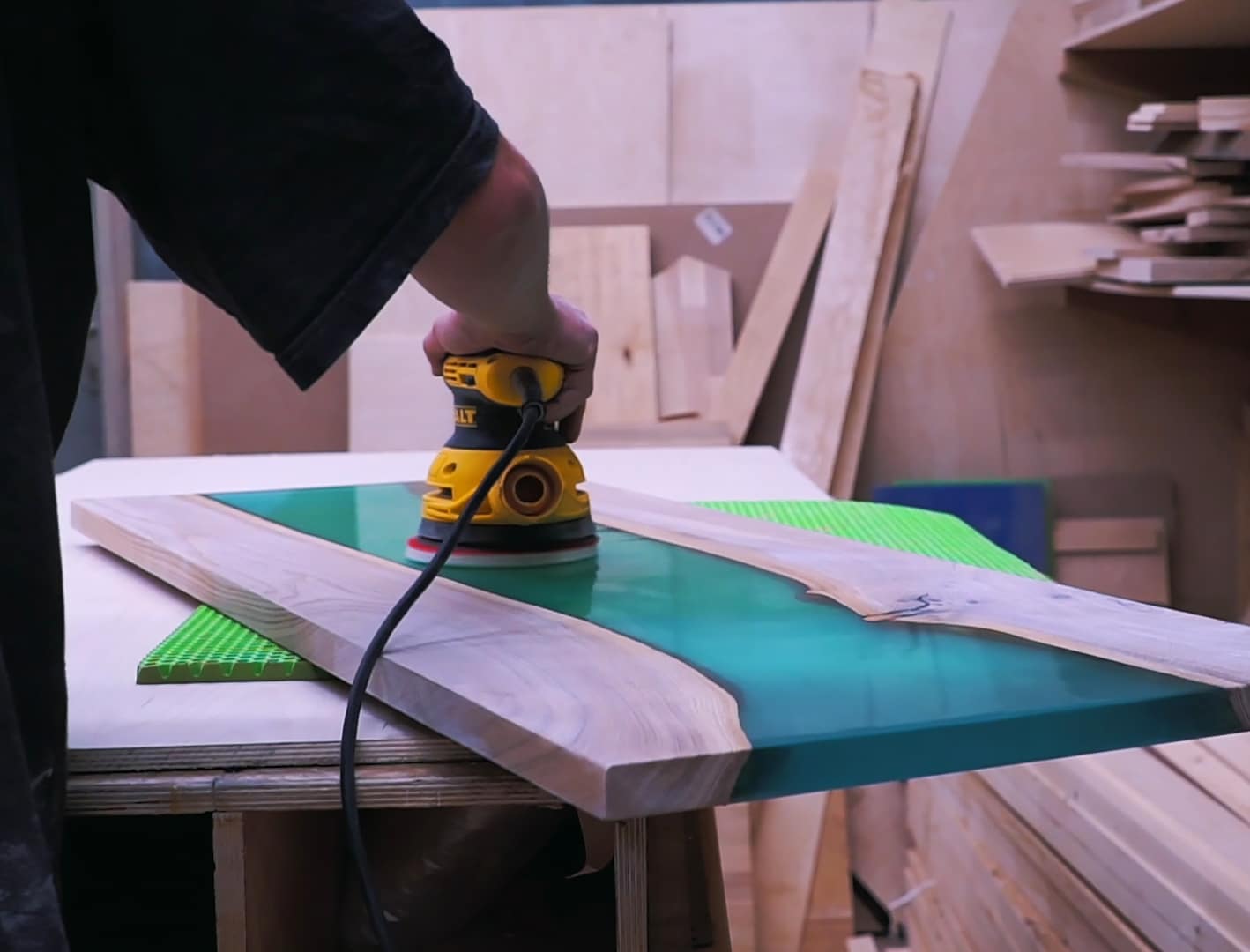
Dry sanding is usually the initial step when smoothing out imperfections in cured resin. It efficiently removes raised areas, surface marks, or casting edges, particularly with lower grits. Wet sanding, however, is best used to refine the finish and minimise visible scratches, especially as you progress to finer grits and prepare for final polishing.
When Is the Best Time to Switch?
It’s recommended to change from dry to wet sanding at 600 grit or above. At coarser grits, dry sanding effectively levels the resin, but finer abrasives generate more friction and heat, which can cause resin to clog the sandpaper or produce a hazy finish. Wet sanding from 600 grit onwards helps to reduce this friction, clear away dust, and achieve a clearer, more reflective surface, especially when working towards high-gloss results.
For a versatile toolset, “Ebonite Abralon” Sanding Pads are designed for both wet and dry use, giving you control over each stage of your sanding process.
Practical Tips for Wet Sanding Resin
- Use waterproof sanding papers or pads specifically suited for wet applications to avoid damaging your abrasives.
- Work in small, circular motions and keep the sanding surface lubricated with water to reduce heat.
- Regularly rinse both your resin piece and sanding medium to prevent residue buildup and uneven sanding.
When This Matters
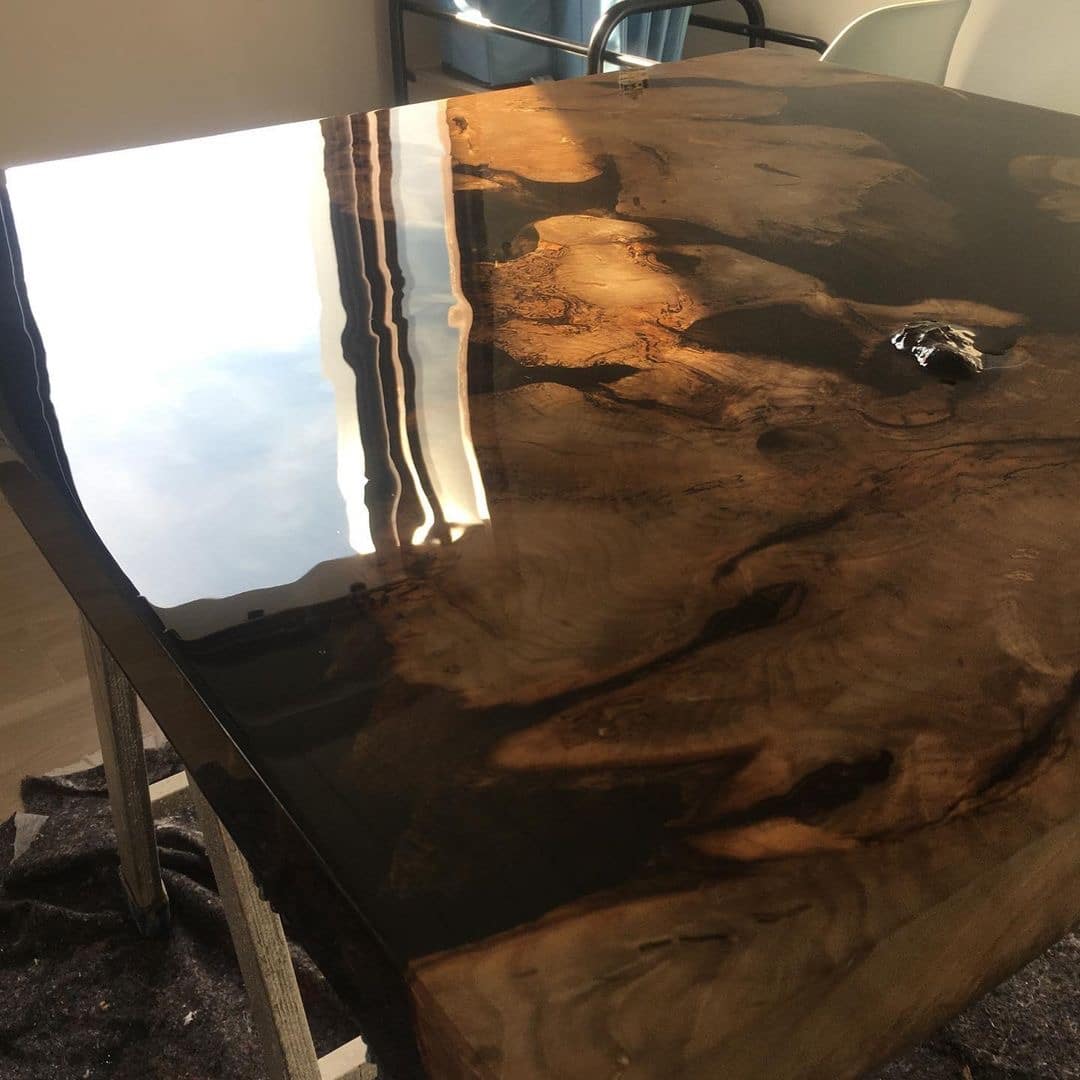
Switching to wet sanding is particularly important for resin projects where ultimate clarity or a glass-like finish is desired, such as jewellery, art pieces, or tabletops. It makes a notable difference for anyone aiming for a professional-grade appearance.
Related products
Related guides
Mastering the right moment to switch from dry to wet sanding not only enhances the look of your resin projects but also aligns with recommended sanding progressions. For further details on grit selection and finishing advice, see our guide on what grit should you sand resin with.