 Free shipping on orders over £29,85
  Shipping Tracking!


 Google
 Facebook
← Back to How to Pot Electronics?
Accidentally encapsulating a component while potting electronics is a common concern, often leading to frustration and costly errors. Here’s how to handle such a mistake—and, most importantly, how to avoid making it in the first place.
Why Cured Resin Is Hard to Remove
Once epoxy or similar resin has fully set, breaking its bond without damaging your electronics is extremely difficult. The cured material forms a tough, tenacious layer that resists most solvents and mechanical removal often risks harming the circuitry or delicate connections beneath. For these reasons, it’s best to avoid curing over any component not meant to be encapsulated in the first place.
Preventing Accidental Encapsulation
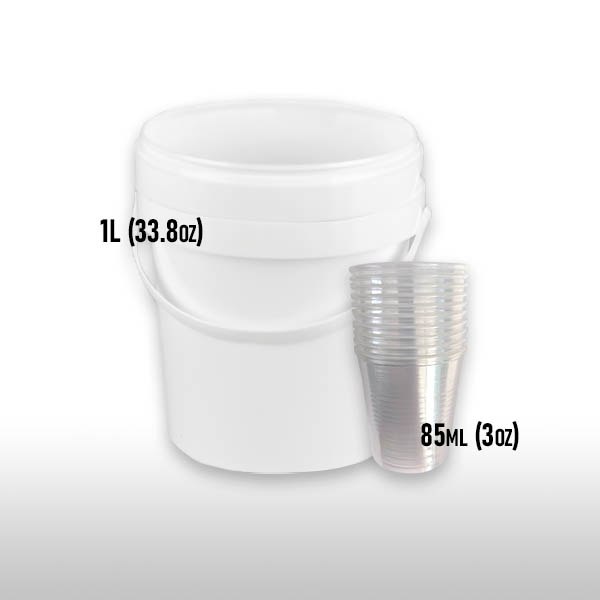
Careful preparation can save both time and rework. Before pouring your resin, double-check the orientation, placement, and any areas that must remain accessible. Using tools such as precision dropper pipettes lets you apply resin with control, helping you avoid flooding unwanted sections. Mixing in a flexible and easy-to-clean bucket, like the Mixing Buckets Kit for Epoxy Resin Art, ensures you have the right amount and consistency, making targeted application much easier.
Practical Tips for Potting Success
- Use flexible masking or temporary barriers to shield components that must not be potted.
- Clean all surfaces beforehand—isopropyl alcohol helps remove oils or residues that may affect resin flow and coverage.
- Apply the resin gradually, inspecting as you go, rather than pouring the entire mix at once.
Related products
Related guides
Taking the time to review your setup and approach helps avoid encapsulating components by mistake. For a full guide on best practices, see our advice on how to pot electronics for further support.