 Free shipping on orders over £29,85
  Shipping Tracking!


 Google
 Facebook
← Back to How do you repair a resin cement coating?
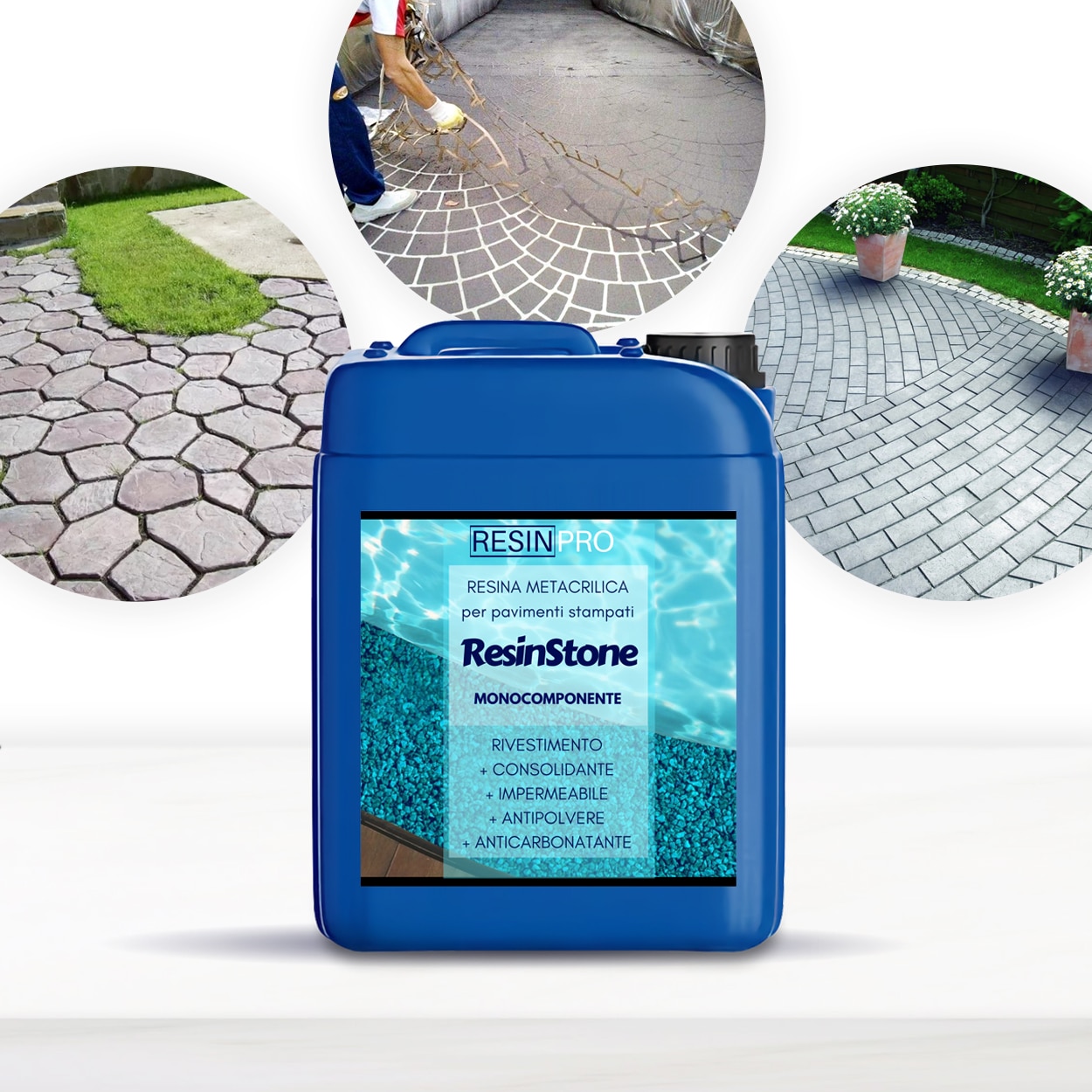

If you notice bubbles or surface defects shortly after repairing your resin cement coating, don’t worry—these issues are fairly common and can often be remedied with simple techniques.
Why Do Bubbles and Defects Occur?
Surface bubbles typically form when air or moisture becomes trapped during the application or curing of resin. Applying coatings in humid conditions, on damp surfaces, or too quickly can invite these imperfections. Similarly, uneven spreading or overworking the coating may introduce defects visible once the resin sets.
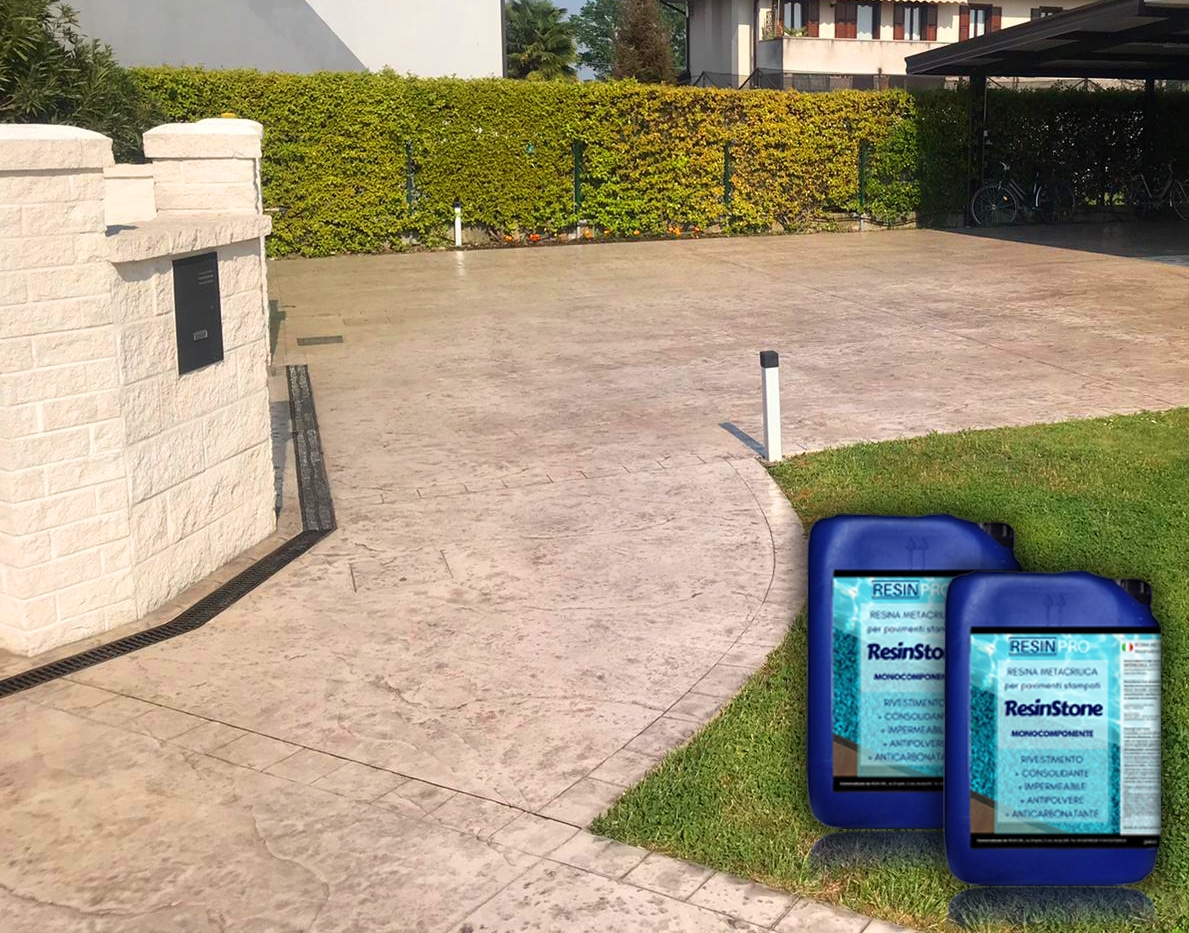
Step-by-Step Fix for Bubbles and Surface Defects
- Let the area fully cure: Give the resin time to harden. Attempting to fix while soft may worsen the problem.
- Lightly sand the affected section: Use fine sandpaper to smooth out raised bubbles or minor irregularities.
- Remove sanding dust: Wipe the area carefully with a dry or slightly damp cloth, ensuring the surface is dry before proceeding.
- Reapply a thin resin layer: Coat the sanded section using a product suited for your substrate. For concrete floors, “Resinstone” offers strong adhesion and a robust finish.
Always check that the environment is not overly humid and that the substrate is dry before recoating.
When This Matters Most
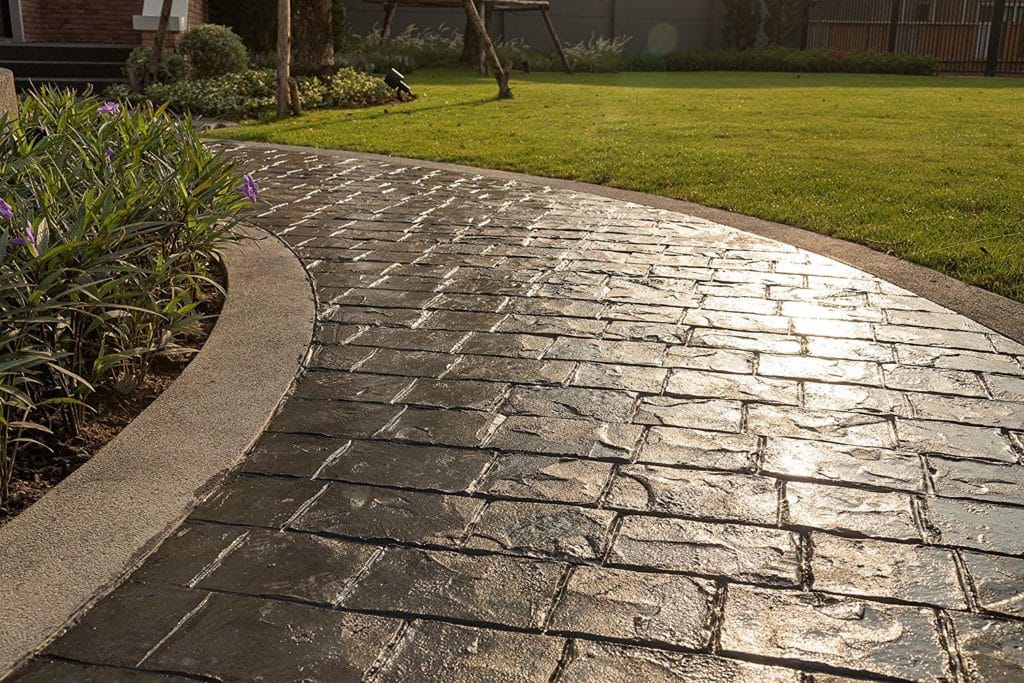
Quick repairs are crucial for driveways, patios, and paths where durability and a smooth appearance matter. Left untreated, bubbles can compromise not only the look but also the longevity of your floor’s protective layer. Addressing issues straight away ensures continued protection against moisture and wear.
Related products
Related guides
Tackling bubbles and defects efficiently will help maintain the resilient, attractive finish resin cement coatings are valued for. For more on repairing or renewing resin cement coatings, return to our main repair guide.