 Free shipping on orders over £29,85
  Shipping Tracking!


 Google
 Facebook
← Back to How much does liquid resin cost?
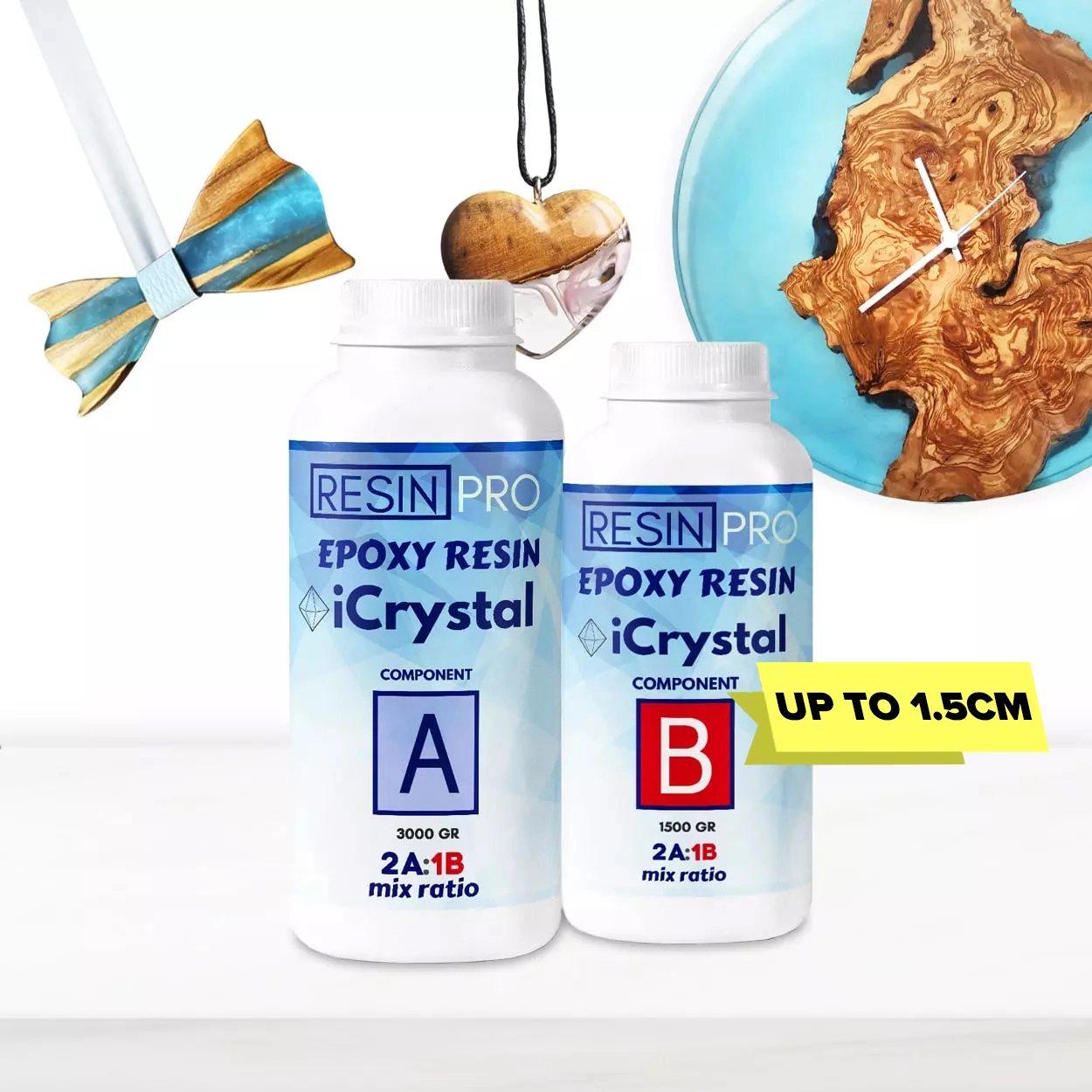

The price of liquid resin can vary considerably, influenced by several important factors that go beyond just the brand or quantity. Knowing what affects resin costs can help you make an informed purchase for your intended project.
Key Elements Affecting Resin Price
One of the main considerations is the clarity and purity of the resin formula. High-clarity varieties such as Icrystal Clear Epoxy Resin are designed for transparency and are generally priced higher due to their refined ingredients.
Pour depth capability also plays a significant role. Products made for deep casting require special formulations to avoid heat build-up and yellowing. Additionally, integrated UV inhibitors, which help prevent yellowing over time, can add to the cost but are essential for projects exposed to sunlight.


Packaging and Value-Added Features
The size of the packaging is another factor. Larger kits may offer a better price per kilogram, making them a practical option for bigger projects. Some resins include extra items such as mixing tools, gloves, and detailed instructions, which not only aid proper use but can also influence the overall price.
- Choose a size to match your project scale and avoid waste.
- Look for included accessories if you’re new to resin work.
When paying for quality matters
Investing slightly more in a resin with strong UV resistance, excellent clarity, or helpful user instructions can save you disappointment—especially if the finish or durability is important for your piece. For example, jewellery makers may favour highly transparent resins like Liquidissima Epoxy Resin to showcase detail, while furniture finishers may seek robust, scratch-resistant formulas.

Related products
Related guides
Understanding these influencing factors helps you select the most suitable and cost-effective resin for your needs. For a deeper look at what you can expect to pay for different liquid resins, visit the main guide on how much liquid resin costs.