 Free shipping on orders over £29,85
  Shipping Tracking!


 Google
 Facebook
← Back to How to recognize epoxy resin?
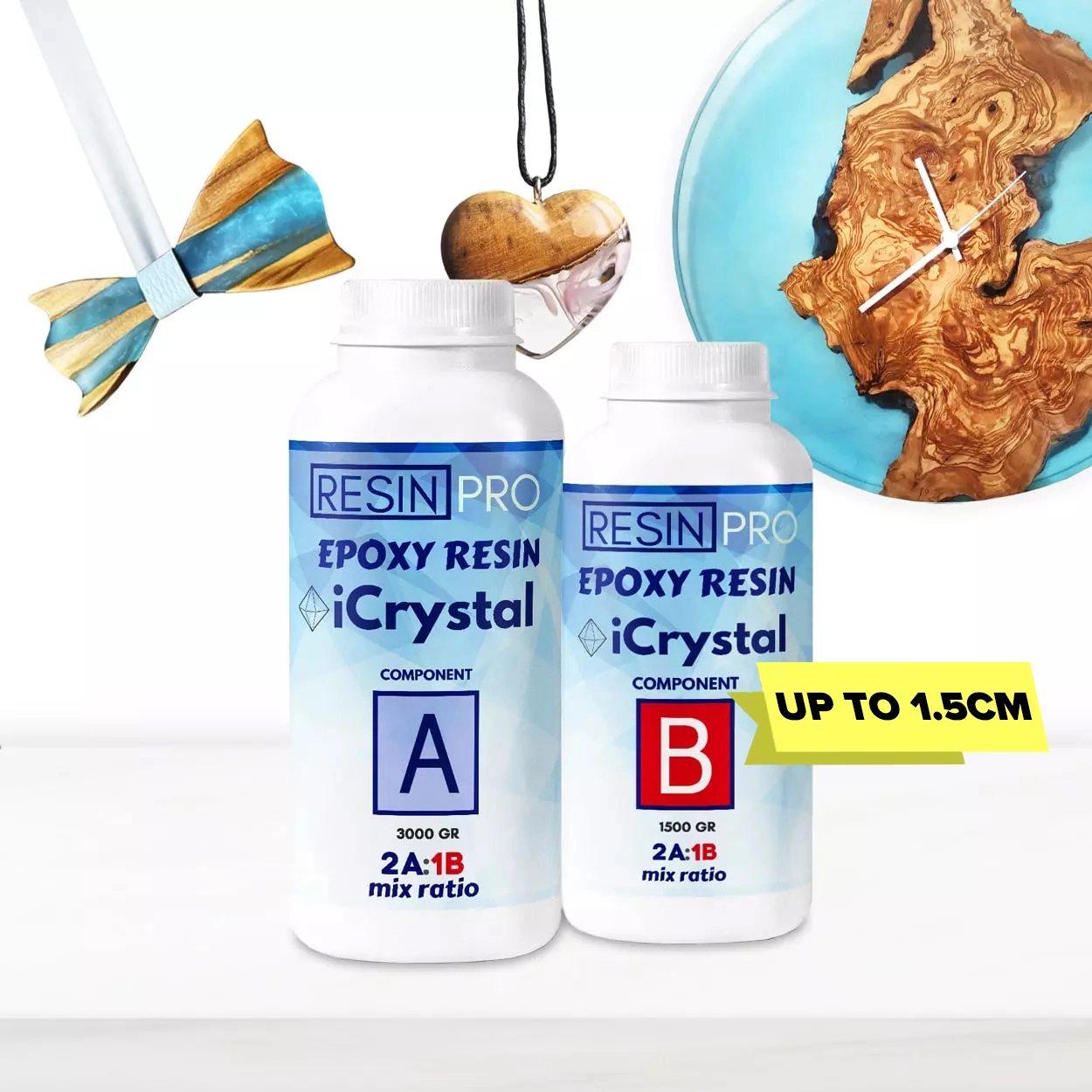

Epoxy resin is a popular crafting and construction material thanks to its clarity, strength, and versatility. To understand why it performs so well, it’s essential to know what it’s actually made of.
Basic Ingredients: Resin and Hardener
The heart of epoxy resin lies in its unique two-part system. The first part is the resin itself—a liquid base containing special molecules called epoxides. The second part is the hardener, sometimes referred to as the curing agent. When these two liquids are mixed, a chemical reaction occurs, transforming the mixture into a tough, durable solid plastic. This process is called curing, and it’s what gives epoxy its well-known strength and clarity.


How Mixing Ratios Impact Performance
The properties of finished epoxy—such as transparency, hardness, and curing time—depend on the precise ratio of resin to hardener. Most modern formulas, like the “Icrystal” epoxy resin, are designed with clear mixing instructions, often in a 2:1 or 1:1 ratio. Following these ratios closely ensures the resin cures correctly and delivers optimal results whether you’re coating a table or making jewellery.
Choosing the Right Epoxy for Your Project
- For detailed or artistic work requiring thick pours, products such as “Trasparente” multipurpose clear resin offer brilliant clarity for layers up to 2cm.
- For ease of use, especially for beginners, “One-2-One” handcraft resin uses a straightforward 1:1 mixing ratio.
Whatever your use, always choose a formula that matches the thickness, clarity, and working time needed for your particular craft or surface project.

When Knowing The Components Matters
Understanding what epoxy resin is made of is crucial when you want to achieve specific results, avoid incomplete curing, and ensure compatibility with your chosen surfaces. It also allows you to tailor your buying decision to suit everything from home décor to jewellery creation.
Related products
Related guides
Knowing the core components of epoxy resin sets the foundation for recognising quality products and successful creative results. If you want to learn more about how these characteristics help you identify epoxy in practice, visit our main guide: How to recognize epoxy resin?