 Free shipping on orders over £29,85
  Shipping Tracking!


 Google
 Facebook
← Back to Which resin should be used for polystyrene?
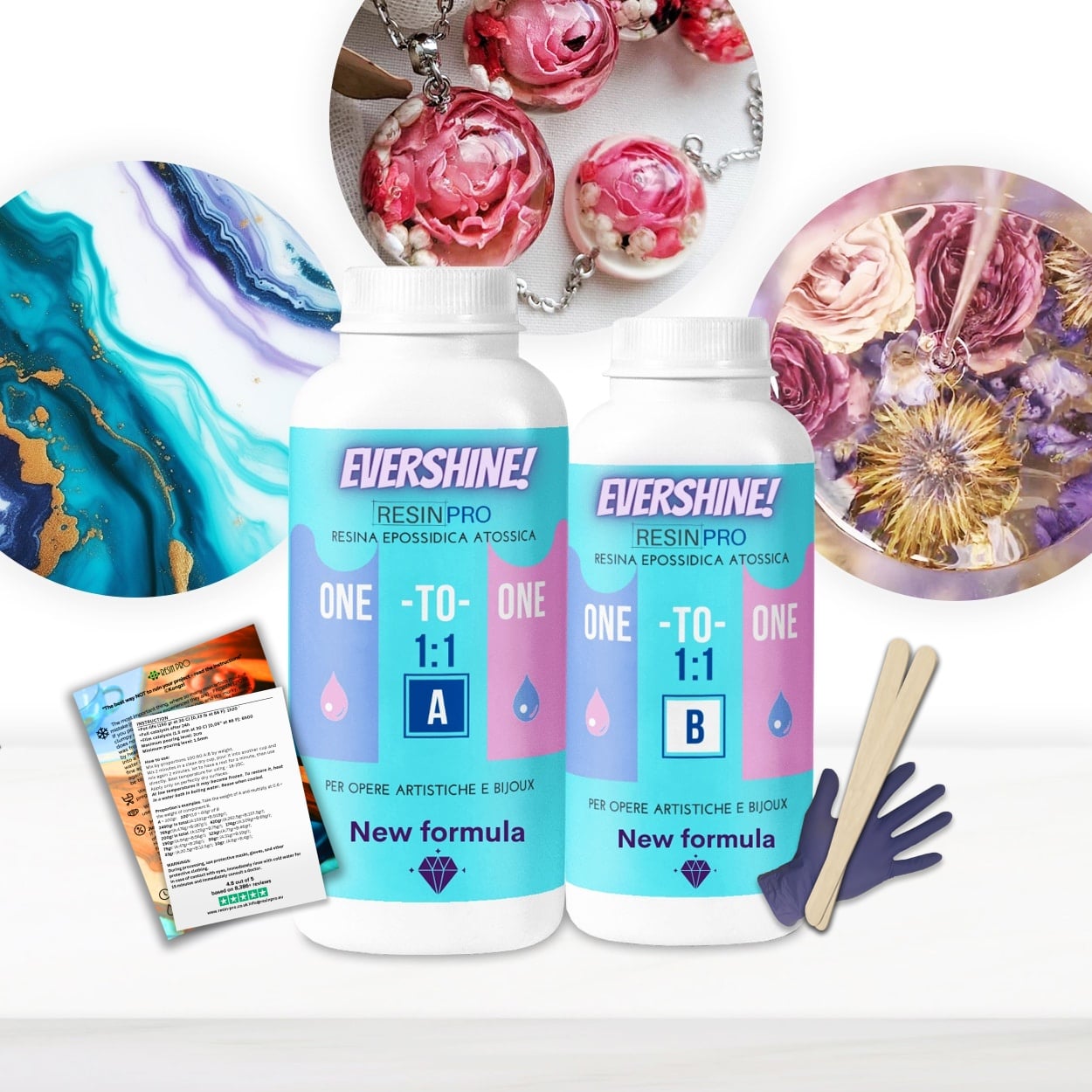

Starting a new resin project on polystyrene can seem daunting, but choosing the right beginner-friendly resin makes the process much smoother and more enjoyable. Let’s explore the best options for first-time users on polystyrene surfaces.
Simple Mixing: Why Volume Ratios Matter
The most accessible resins for newcomers typically use a straightforward 1:1 mixing ratio by volume, which means you simply combine equal parts of the two components. This reduces the risk of mistakes, helping you focus on your creativity rather than precise measurements. The One-2-One Epoxy Resin is a perfect example, as it offers dependable results with minimal fuss.
Ideal Properties for Beginners
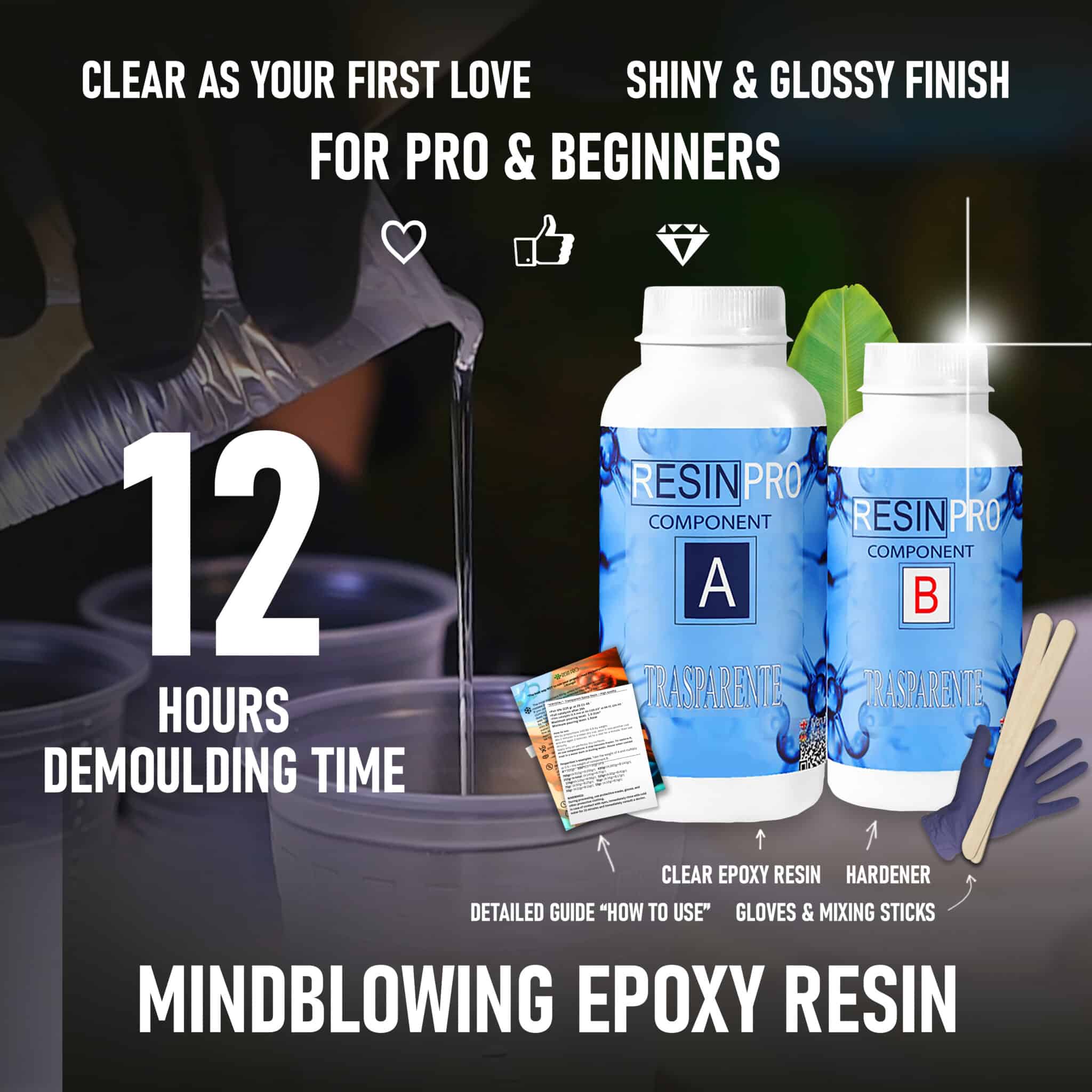
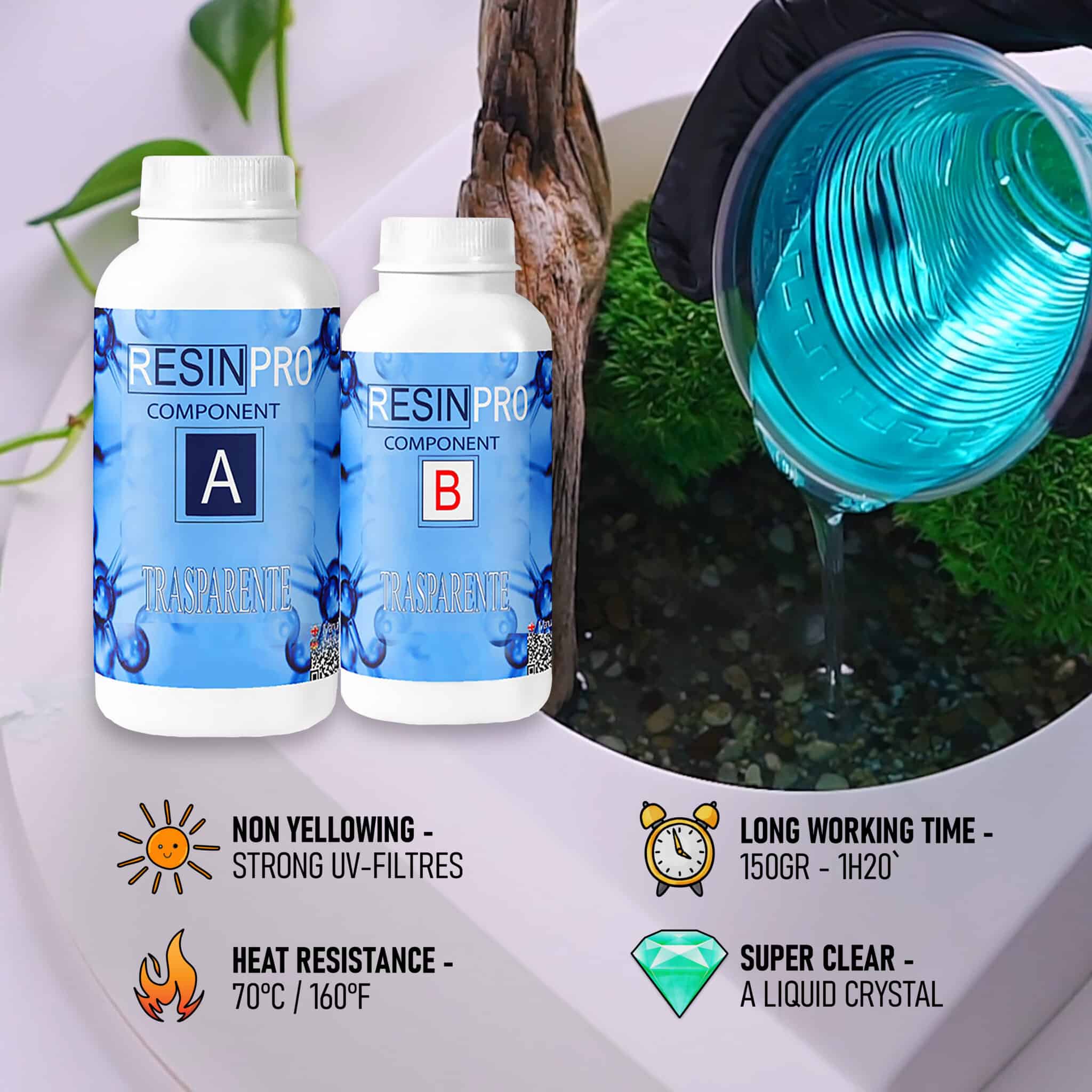
When working with polystyrene, look for resins with medium viscosity and good self-levelling properties. These make it easier to achieve an even finish without trapping bubbles. Clear formulations with built-in UV filters can also help preserve your work over time. Kits that include gloves and mixing tools are especially helpful when starting out.
Getting Started: Practical Guidance
- Perform a small compatibility test on a scrap piece of polystyrene to ensure the resin bonds well and does not damage the surface.
- Mix carefully, following instructions for the best clarity and strength.
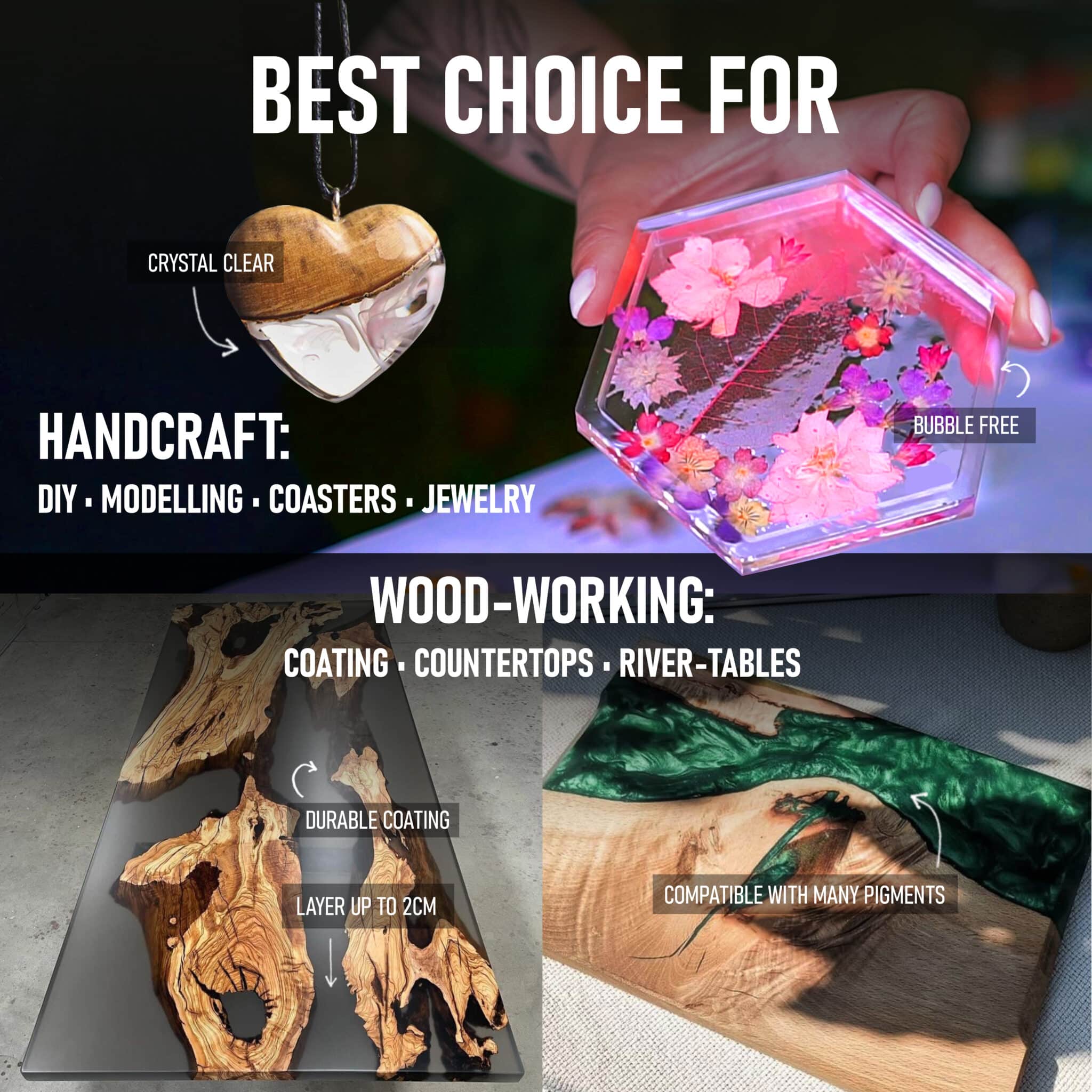
- Pour in layers no thicker than recommended; for beginners, resins like “Trasparente” (up to 2cm) and “Icrystal” (up to 1.5cm) offer forgiving working times and clear finishes.
When This Matters
Selecting an easy-to-use resin really pays off for artists, hobbyists, and model makers who want consistent, clear results without complication or wasted materials.
Related products
Related guides
Choosing a beginner-friendly resin streamlines your first polystyrene project and builds confidence for more advanced work. For a deeper dive into all things polystyrene and resin, see our hub guide on which resin should be used for polystyrene.