 Free shipping on orders over £29,85
  Shipping Tracking!


 Google
 Facebook
← Back to How is resin applied to floors?
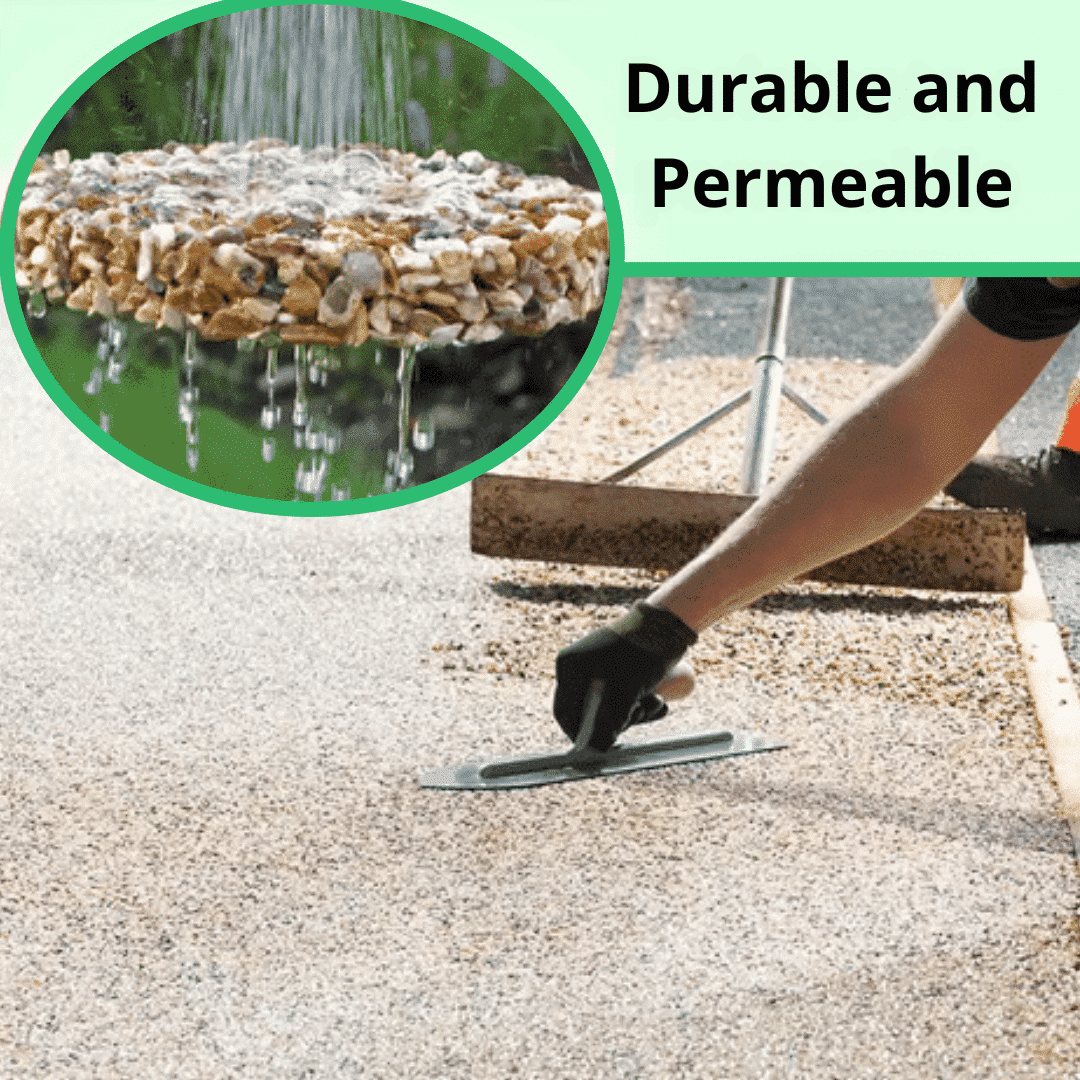
Choosing the right resin is key to achieving a durable, attractive, and long-lasting floor. Resin flooring systems are available in several formulations, each developed for specific surface types and uses.
Main Types of Resins for Flooring
The most commonly used resins for floors are epoxy, polyurethane, and methacrylic. Epoxy resin is prized for its strong adhesion and ability to create a seamless finish, making it a favourite for both garages and decorative surfaces. Polyurethane resins are flexible and offer excellent resistance to yellowing and impacts, well suited to outdoor and high-traffic applications. Methacrylic resins, like those used in Resinstone, are ideal for sealing and protecting concrete, with fast curing and robust weather resistance.
Selecting the Right Resin for Your Floor
Your choice of resin will depend on the substrate, the intended use of the space, and your aesthetic goals. For decorative outdoor surfaces, combining resin with aggregates such as coloured pebbles is popular. For these, epoxy and polyurethane binders ensure aggregates remain in place, while preventing UV damage or discolouration. Methacrylic resins work especially well on absorbent concrete, providing deep sealing and durability. If you’re seeking a practical kit, the Flowstone permeable floor kit provides matched resin types for different aggregates, ensuring long-term performance.
When Does Resin Choice Matter Most?
- Outdoor areas exposed to sunlight or heavy rain require resins with UV resistance and drainage ability.
- Garage or workshop floors benefit from tough, easily cleaned epoxy systems.
- Pathways and decorative patios need permeable, flexible solutions such as polyurethane or purpose-designed pebble kits.
Related products
Related guides
Selecting the correct resin gives your floor strength, resilience, and the visual appeal you desire. To learn more about method and application, visit our guide on resin floor application.