 Free shipping on orders over £29,85
  Shipping Tracking!


 Google
 Facebook
← Back to How do you use E-30 water effect resin?
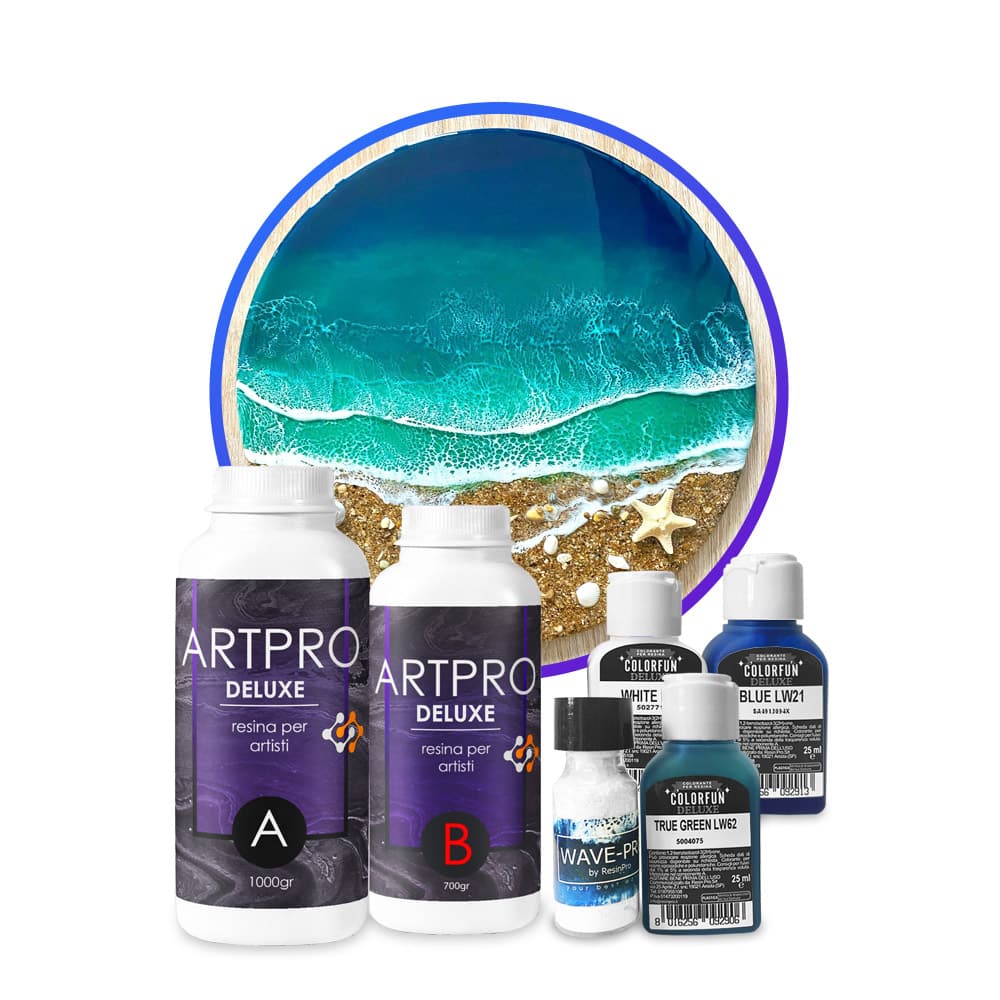
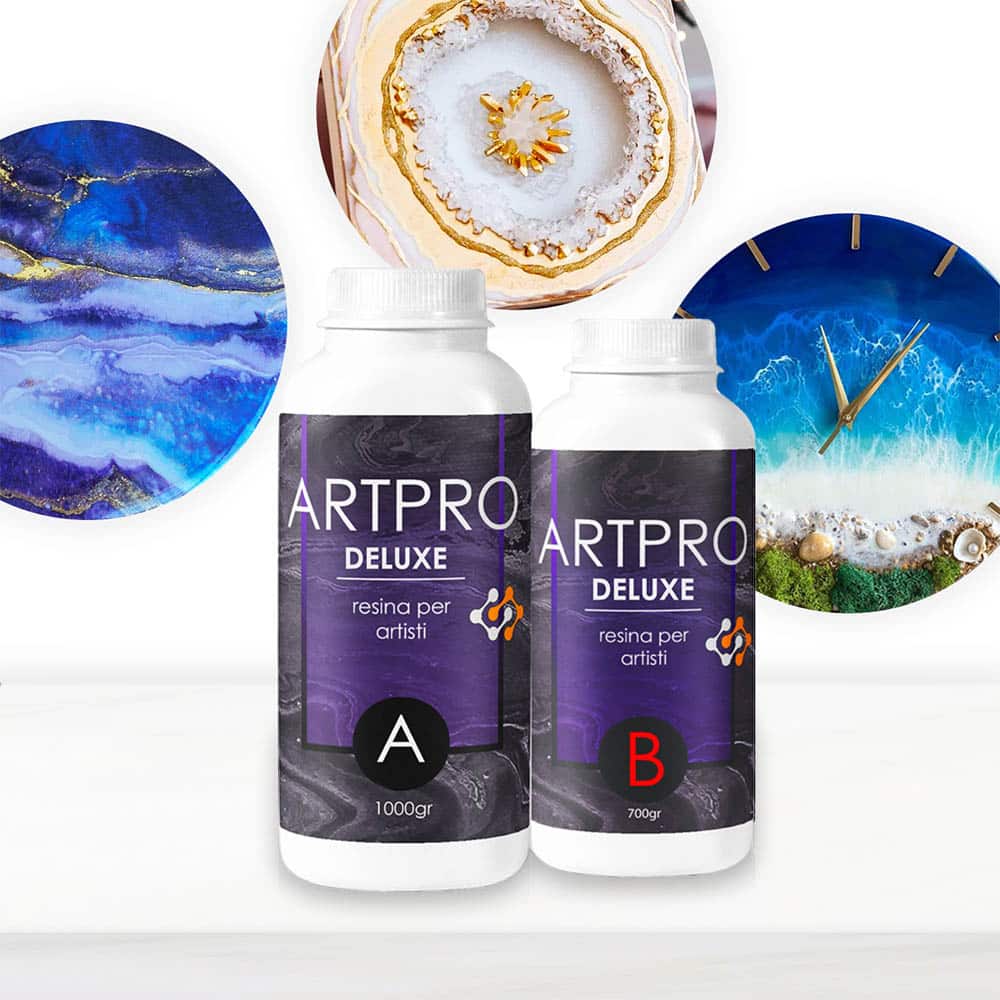
Ocean art demands clarity, depth, and the beauty of dynamic wave effects—the qualities that set E-30 water effect resin apart for resin artists aiming to capture the sea’s allure.
Why Clarity and Self-Levelling Matter
E-30 water effect resin is engineered for its flawless transparency and self-levelling properties. This means once poured, the resin naturally settles into a smooth, glass-like surface. For artists, this clarity is vital to mimic the look of clear ocean water, while self-levelling prevents uneven surfaces that might detract from the finished piece’s realism.


Achieving Realistic Wave Effects
The E-30 system, such as the “Sea” resin kit, often combines a thicker epoxy with a specialised wave additive powder. By adding this powder, you can create detailed, frothy wave patterns and lacy foam—effects that are essential to bringing coastal scenes to life. Combined with marine-tone pigments, these features help artists achieve beautiful variations in water depth and colour, from deep blues to crisp white surges.
Practical Tips for Ocean Art Projects
- Mix resin and hardener carefully to avoid bubbles that could cloud the effect.
- Add pigments gradually and blend thoroughly for natural gradients.
- Use the wave additive sparingly for fine foamy detail or more generously for pronounced surf effects.
Consider using the Marine Palette dye set for a broader range of authentic ocean hues.

When This Matters Most
Whether you’re working on seascape coasters, decorative panels, or statement art pieces, choosing a resin like E-30 that excels in clarity and layering is crucial for realistic ocean effects and eye-catching results.
Related products
Related guides
Mastering ocean art starts with the right foundation—E-30 water effect resin’s clarity and specialised additives provide everything you need to craft shimmering, wave-filled scenes. For a step-by-step guide to getting started, visit the main page on how to use E-30 water effect resin.