 Free shipping on orders over £29,85
  Shipping Tracking!


 Google
 Facebook
← Back to What are ion exchange resins?
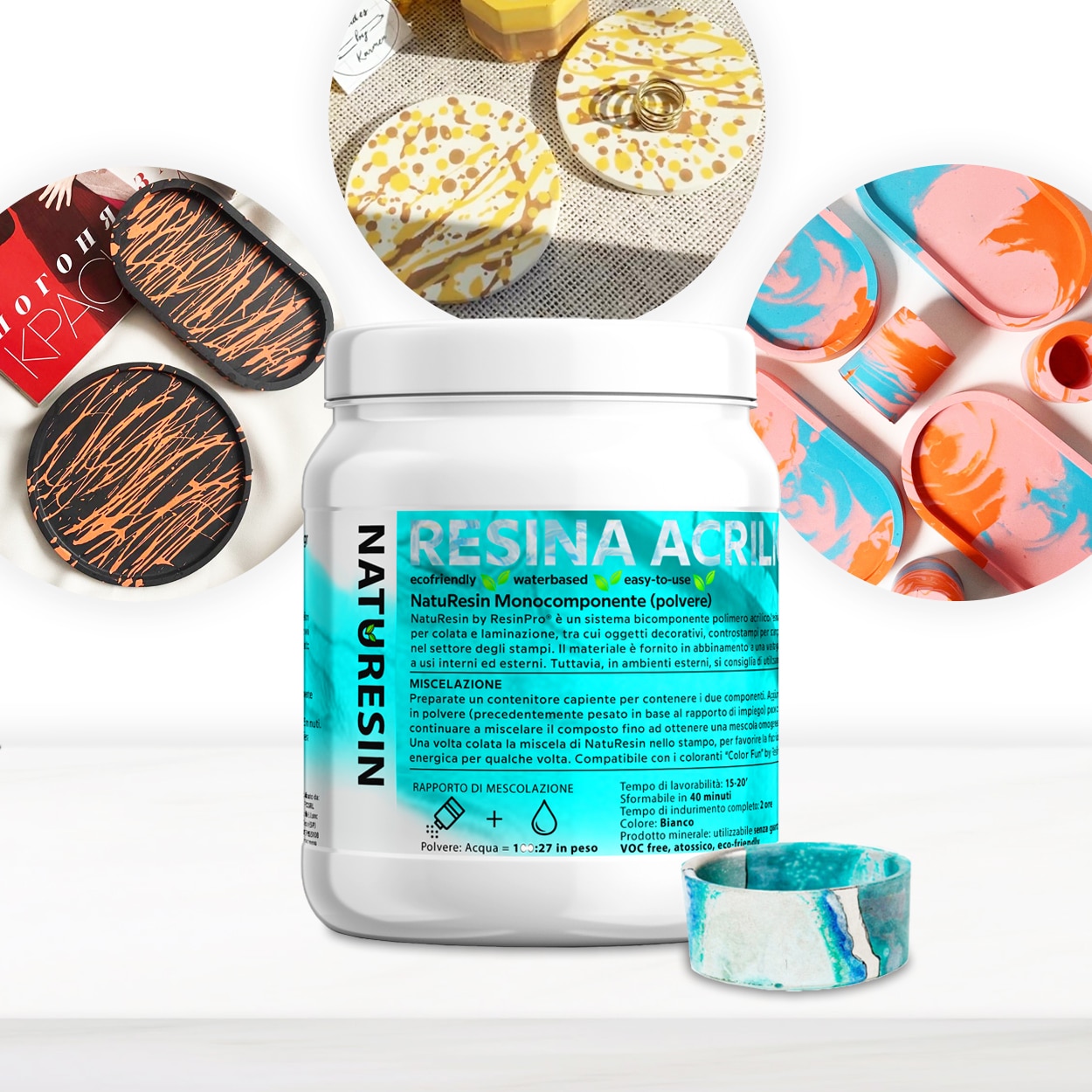
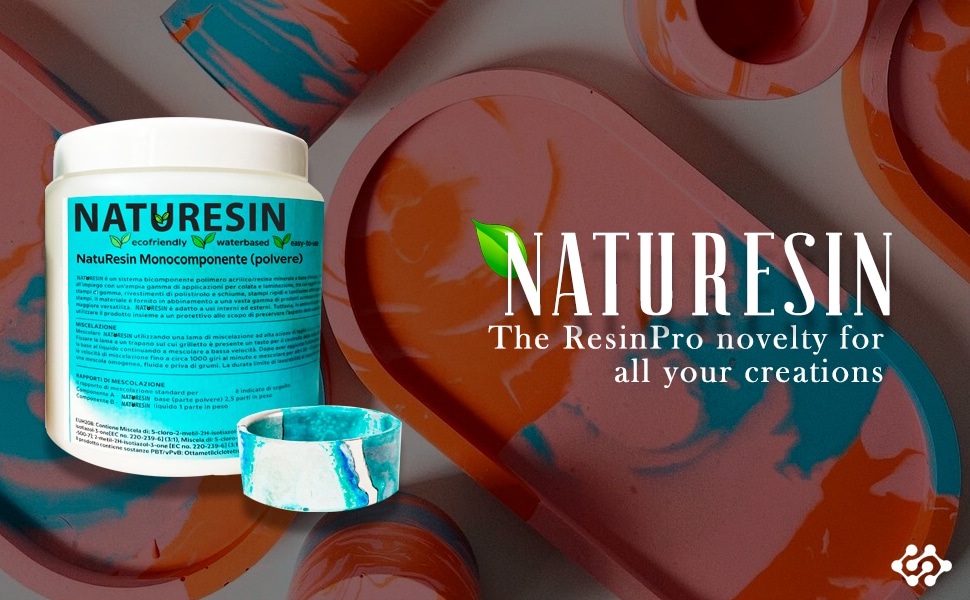
Eco-friendly mineral resins are growing in popularity due to their safety and sustainable features. Preparation for their use is refreshingly simple for both beginners and experienced makers.
Surface and Workspace Preparation
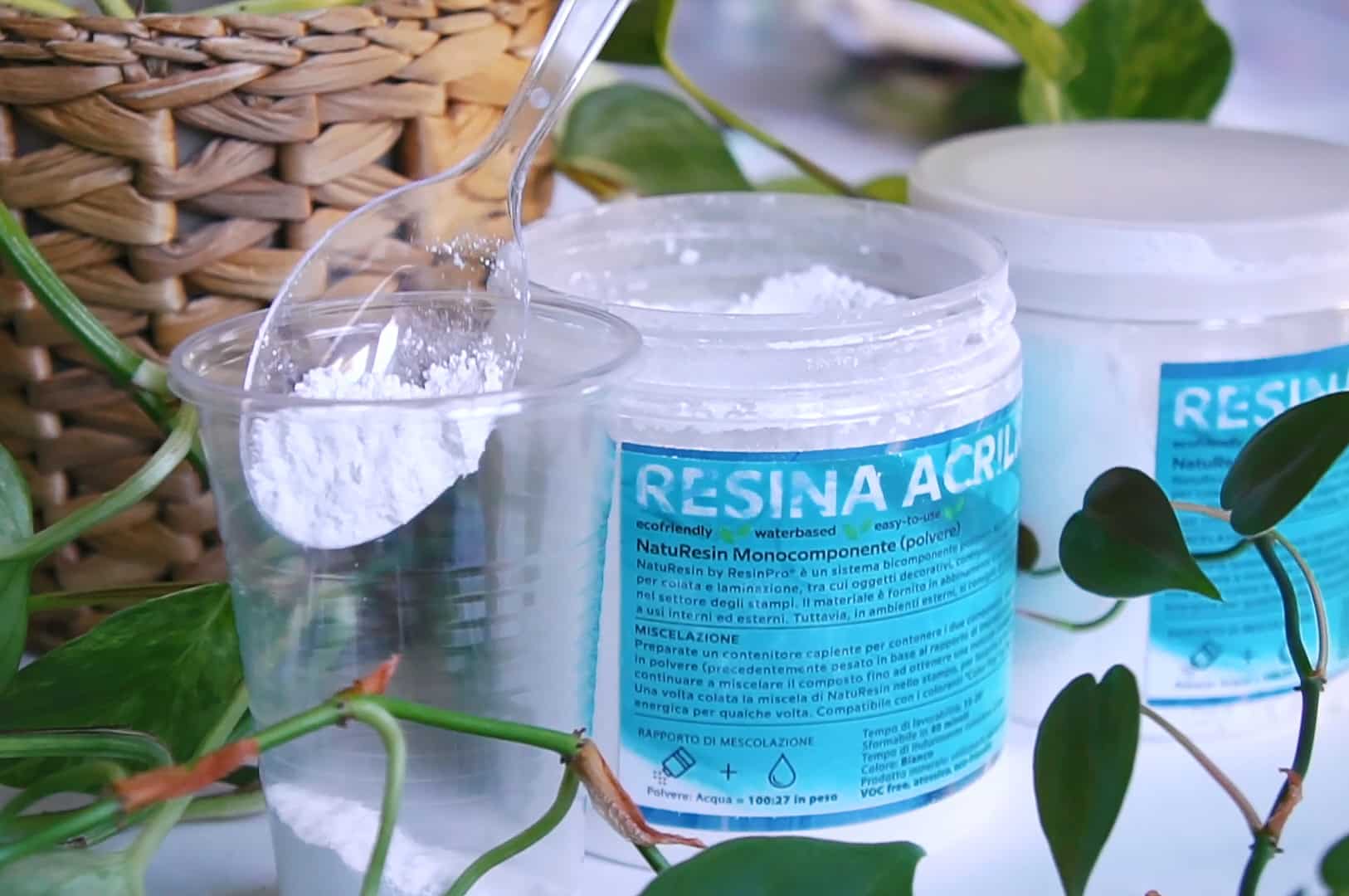
Unlike many traditional resins, mineral resins such as NatuResin are water-activated and often much safer to handle. Start by ensuring your work area is free from dust and grease and set up a clean surface, protecting tables or benches with a covering if needed. Mineral resins can typically be mixed using ordinary tools, and as they are solvent-free, strong ventilation is not as critical as with epoxies.
Personal Safety and Handling
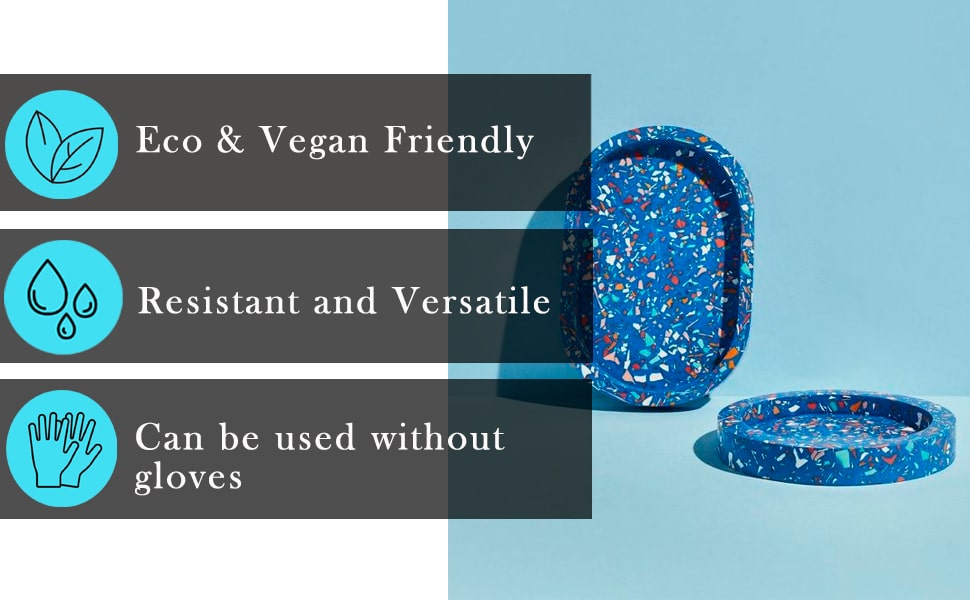
Many eco-friendly mineral resins are non-toxic and can be handled without gloves, though it remains sensible to consult the product’s instructions. If you or others are sensitive to fine powders or liquids, basic hygiene, such as washing hands after working, is recommended. Wearing gloves is optional and based on comfort rather than necessity for most water-based mineral systems.
Practical Mixing and Pouring Tips
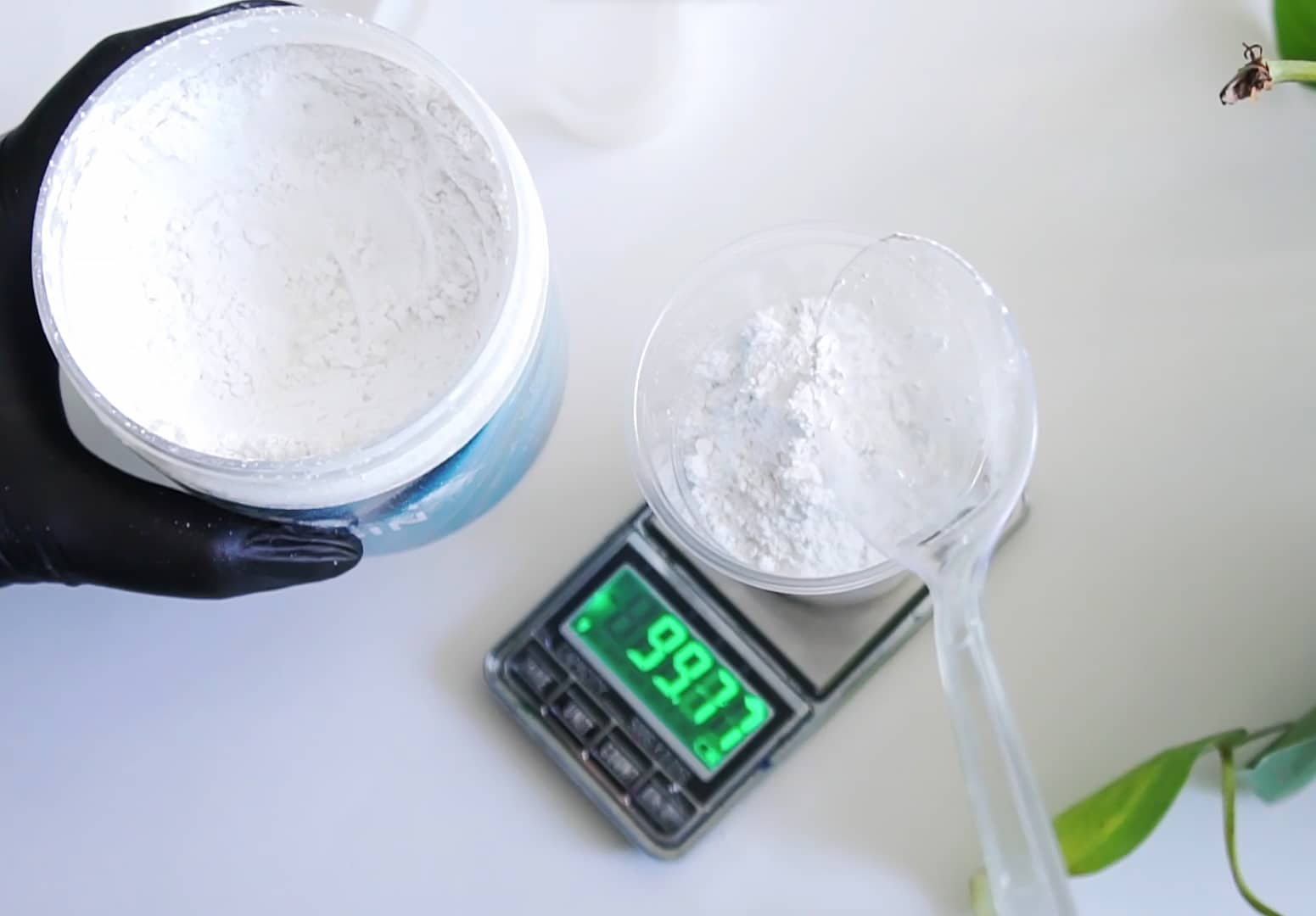
Measure your resin and water according to pack guidelines, using a clean container for each project. Mix thoroughly to achieve a smooth consistency, and pour into your moulds or onto your surface promptly, as mineral resin systems begin setting soon after mixing. Since these resins are often VOC-free, there is no need for special extraction or disposal methods.
When Special Preparation Matters
If you are working in a shared space or with children, using a non-toxic, solvent-free resin like NatuResin is especially beneficial. Still, taking care to protect soft furnishings and maintaining general tidiness always pays off.
Related products
Related guides
Opting for mineral resins greatly simplifies preparation and clean-up, making creative projects safer and more sustainable. To explore more about the science behind these innovative materials, visit our hub on ion exchange resins.