 Free shipping on orders over £29,85
  Shipping Tracking!


 Google
 Facebook
← Back to How do you weld resin?

Selecting the right type of resin for welding or joinery is crucial for achieving strong, reliable bonds in your project. Different resins offer unique properties, making them suitable for specific joining tasks, from heavy-duty repairs to delicate craftwork.
Polyester Resin: Best for Structural Repairs
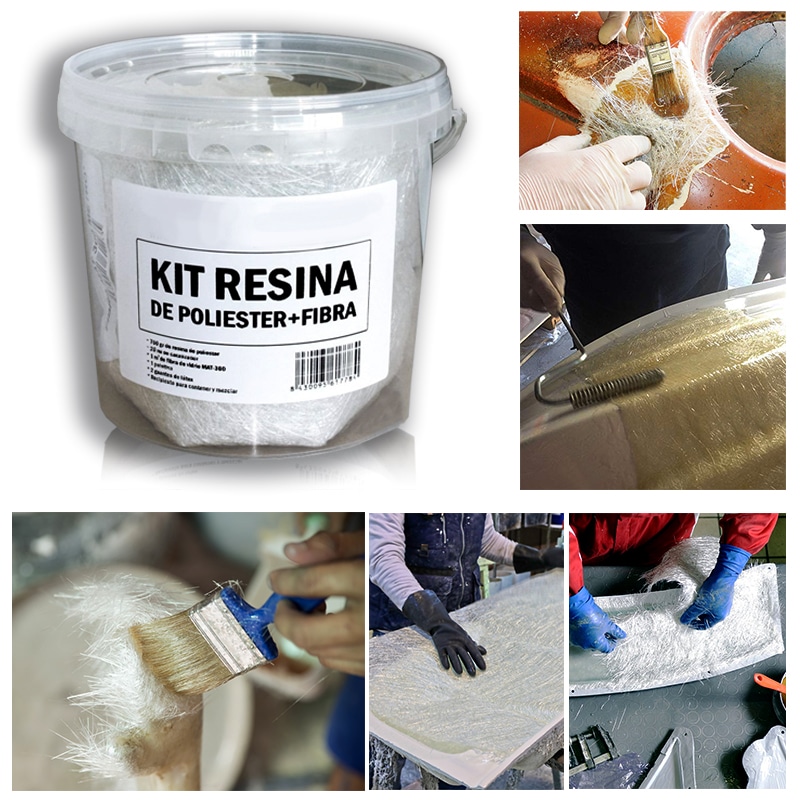
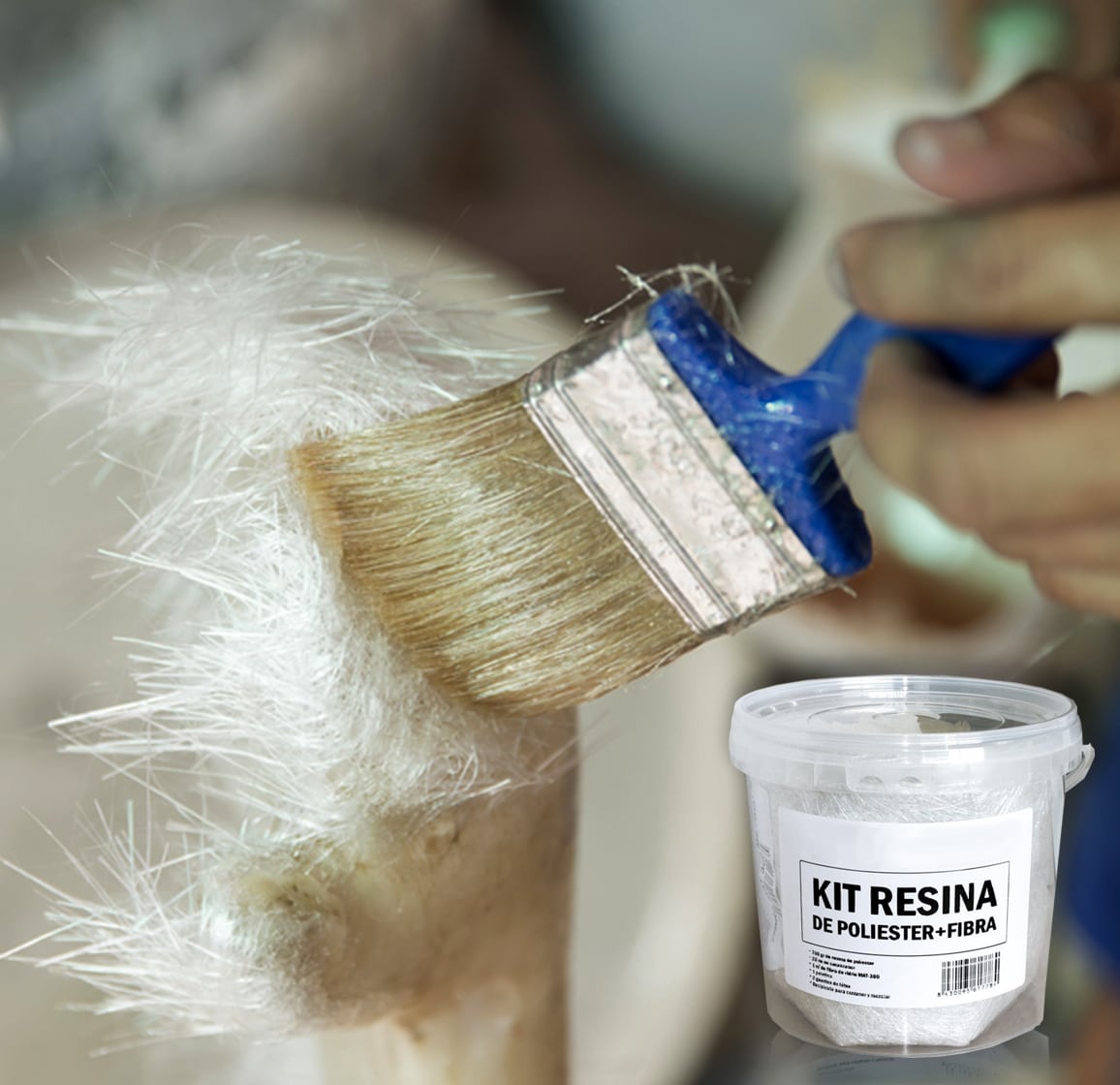
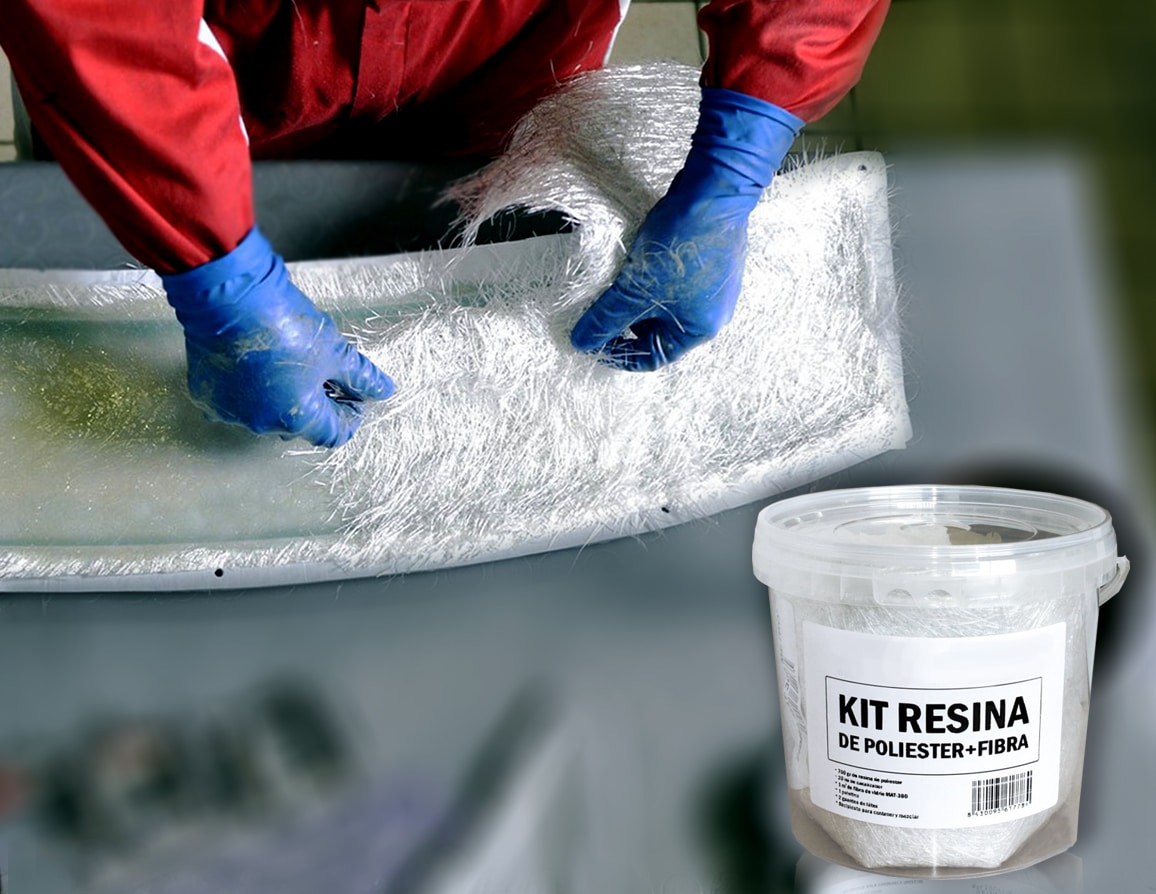
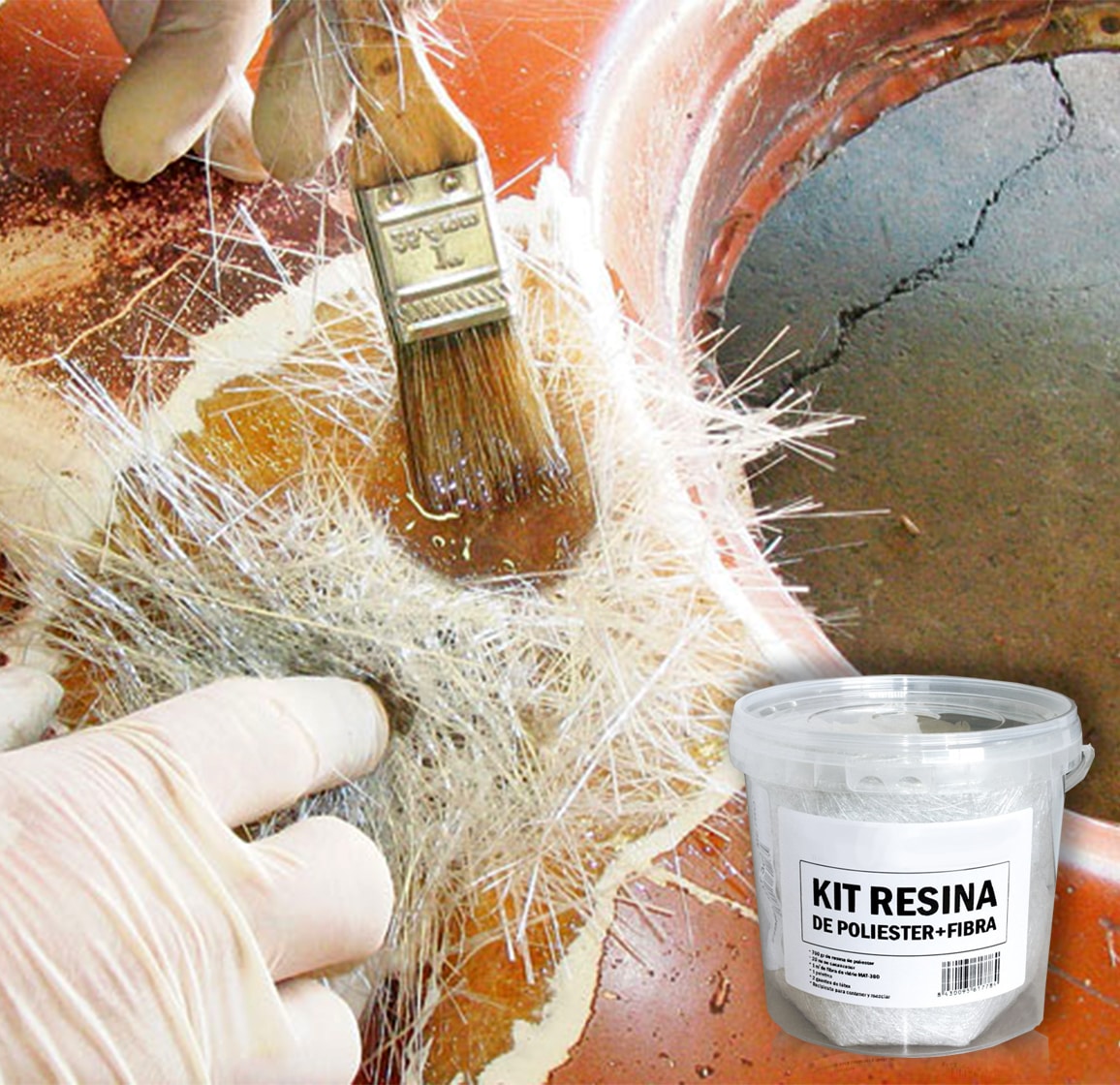
Polyester resin is a popular choice for joining rigid materials and structural repairs where durability and waterproofing are essential. It is commonly used alongside fibreglass matting to reinforce cracks, seal leaks, or provide strength to boats, swimming pools, and tanks. The Resin Fibreglass Repair Kit conveniently pairs polyester resin with fibreglass, creating tough, impact-resistant joints on rigid plastics and metals.
- Suited for heavy-duty welding on substantial surfaces
- Provides long-lasting, waterproof, and impact-resistant seams
Epoxy Resin: Ideal for Composite Bonding
For joinery involving technical fabrics—like carbon fibre or traditional fibreglass—epoxy resin stands out due to its superior bond strength and resistance to impacts. Epoxy forms exceptionally robust, bubble-free joins, making it favoured in composite manufacturing, model building, and projects needing maximum integrity near mechanical stress points.
- Outstanding for composite and multi-material joints
- Ensures a professional finish with minimal surface defects
UV Resin: Fast Decorative Joins and Craft Use
When rapid assembly and visual clarity are a priority, UV resin offers instant curing under UV light—ideal for jewellery making and decorative joins where transparency and fine detail matter. This one-component resin is especially practical for small-scale or layered projects that demand speed and precision, setting firmly within minutes.
- Perfect for intricate craft joins and transparent layers
- Hardens in minutes under UV exposure for immediate handling
When Resin Choice Matters Most
Choosing between polyester, epoxy, and UV resin is vital when project requirements vary—such as needing robust water resistance, handling high-stress joins, or producing swift, clear decorative finishes. Assess your project’s demands to select the safest and most effective option.
Related products
Related guides
Understanding resin types ensures you achieve safe, dependable results when welding or joining materials. For more detail on resin welding techniques and guidance, explore our main How do you weld resin? page.